Today in News History
On July 4, several notable moments in the history of News stand out. In 940, Wang Jianli, Chinese general (born 871) passed away. In 1774, Orangetown Resolutions are adopted in the Province of New York, one of many protests against the British Parliament's Coercive Acts. In 1896, Mao Dun, Chinese journalist, author, and critic (died 1981) was born. In 1903, The Philippine-American War is officially concluded. In 1947, Lembit Ulfsak, Estonian actor and director (died 2017) was born. In 1957, Rein Lang, Estonian politician and diplomat, 25th Estonian Minister of Foreign Affairs was born. In 1961, Richard Garriott, English-American video game designer, created the Ultima series was born. In 1983, Amol Rajan, Indian-English journalist was born. In 1991, Victor Chang, Chinese-Australian surgeon and physician (born 1936) passed away. In 2004, The cornerstone of the Freedom Tower is laid on the World Trade Center site in New York City. Together, these milestones provide historical context for today's news news and ongoing narratives.
Can Hong Kong’s arbitration skills help the new global space race take off?
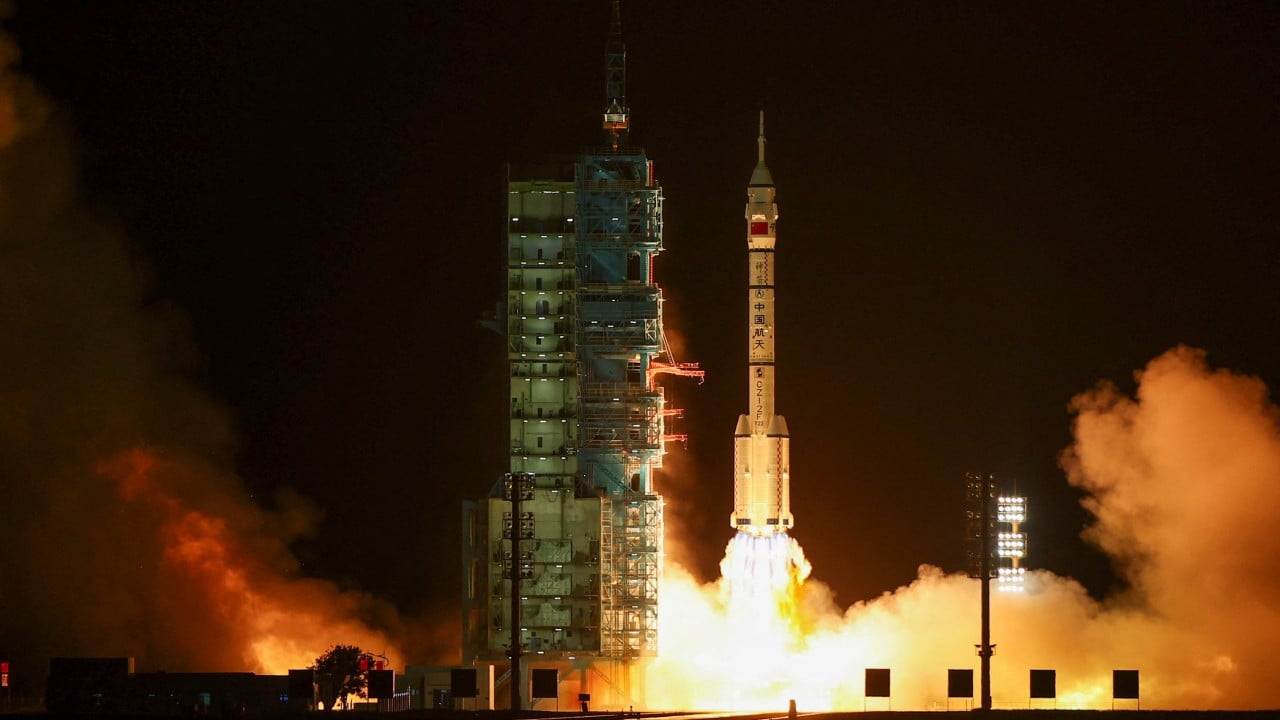
Hong Kong is positioning itself as a middleman in the fast-growing global space economy, senior officials and experts have said, noting the city can turn its financial markets, common law system and dispute-resolution capabilities into a commercial advantage. At the 2026 Colloquium on International Law on Friday, Secretary for Justice Paul Lam Ting-kwok said Hong Kong’s “sharpest competitive edge” lies in professional services for commercial space. He added that the city was “exceptionally...
Narrative Intelligence Brief
This article was published by South China Morning Post, a source frequently categorized with a lean left bias based in Hong Kong. Our narrative intelligence engine continuously monitors coverage from this outlet to track framing, bias, and rhetorical patterns. Our initial algorithmic scan of this specific piece did not flag high-confidence rhetorical techniques, suggesting a generally straightforward reporting style or neutral framing. By understanding the editorial perspective of South China Morning Post, readers can better contextualize the information presented and compare it across our broader media matrix to find the real narrative.
More from South China Morning Post
July 4, 2026
Hong Kong taxi driver dies, two passengers hurt in head-on crash with bus
July 4, 2026
As the US turns 250, young Asian-Americans weigh identity and China
July 4, 2026
Japan pledges US$3 million for Kazakhstan’s Caspian Sea water decline
July 4, 2026
Nobel-winning materials scientist Omar Yaghi joins China’s Tsinghua University from the US
July 4, 2026
Lebanon’s president urges US solidarity as Israeli troops occupy south
Analysis Methodology
This narrative analysis was generated using the CoDataLab Global Intelligence Engine. Our proprietary AI scans thousands of cross-border sources to identify sentiment patterns, framing techniques, and potential media bias. While AI provides the data-driven foundation, our objective is to empower readers with additional context beyond the standard headline.The content displayed above is a structured summary designed for rapid information processing. For the full original report, please visit the source outlet.More Coverage
Discussion
"wimbledon"
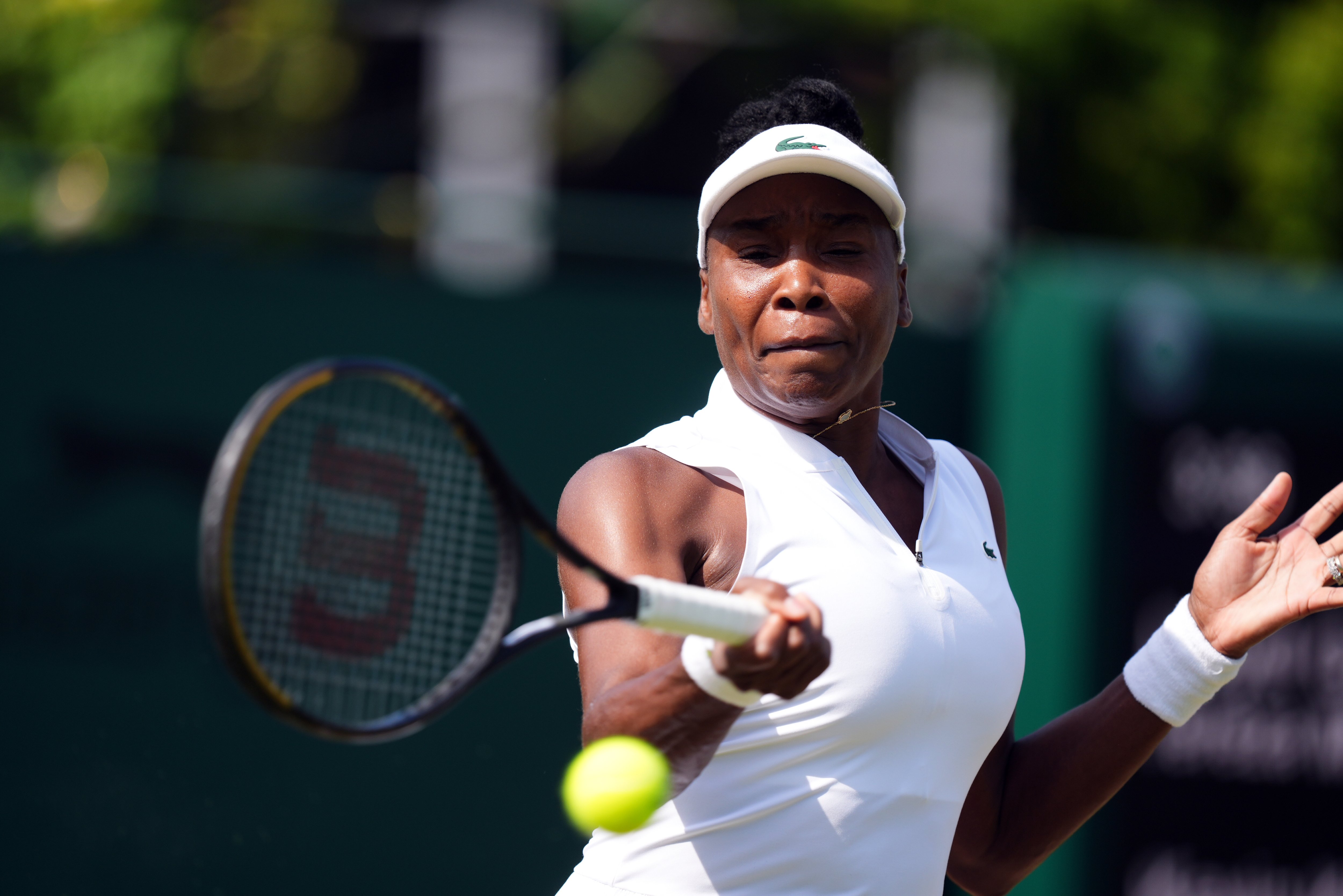
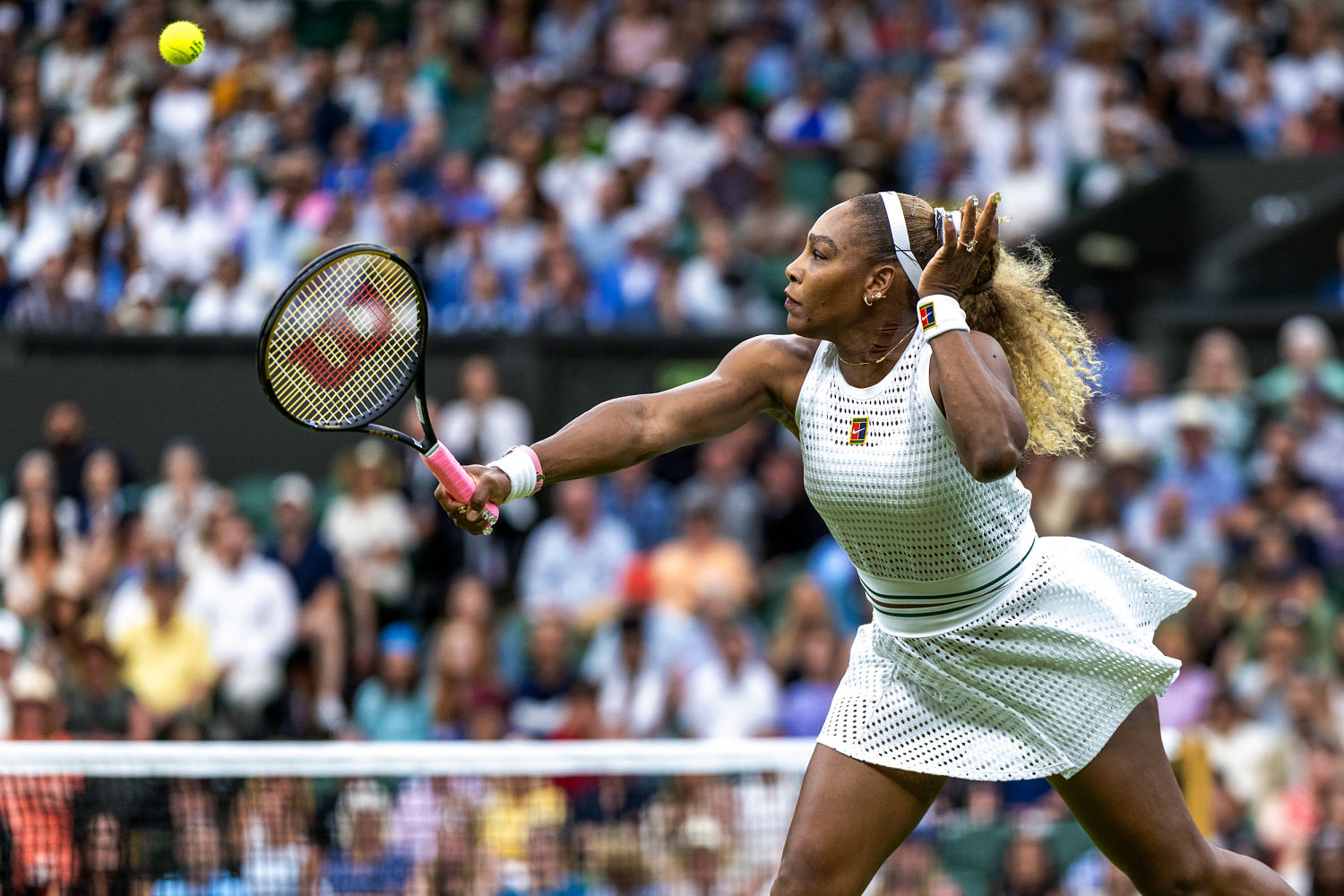
Serena Williams withdraws from Wimbledon doubles competition after knee injury
Princess Charlotte overwhelmed with shyness during relatable Wimbledon moment - watch
Venus Williams could face £37,500 fine after snub at Wimbledon