Today in News History
On June 21, several notable moments in the history of News stand out. In 1864, Heinrich Wölfflin, Swiss historian and critic (died 1945) was born. In 1870, Julio Ruelas, Mexican painter (died 1907) was born. In 1898, The United States captures Guam from Spain. The few warning shots fired by the U.S. naval vessels are misinterpreted as salutes by the Spanish garrison, which was unaware that the two nations were at war. In 1913, Luis Taruc, Filipino political activist (died 2005) was born. In 1947, Fernando Savater, Spanish philosopher and author was born. In 1973, In its decision in Miller v. California, 413 U.S. 15, the Supreme Court of the United States establishes the Miller test for determining whether something is obscene and not protected speech under the U.S. constitution. In 1982, John Hinckley is found not guilty by reason of insanity for the attempted assassination of U.S. President Ronald Reagan. In 1997, Fidel Velázquez Sánchez, Mexican trade union leader (born 1900) passed away. In 2014, Wong Ho Leng, Malaysian lawyer and politician (born 1959) passed away. In 2018, Charles Krauthammer, American columnist and conservative political commentator (born 1950) passed away. Together, these milestones provide historical context for today's news news and ongoing narratives.
Trump's 'unhinged' phone call to foreign leader leaves critics stunned: 'Brazenly illegal'
Narrative Analysis: Name Calling
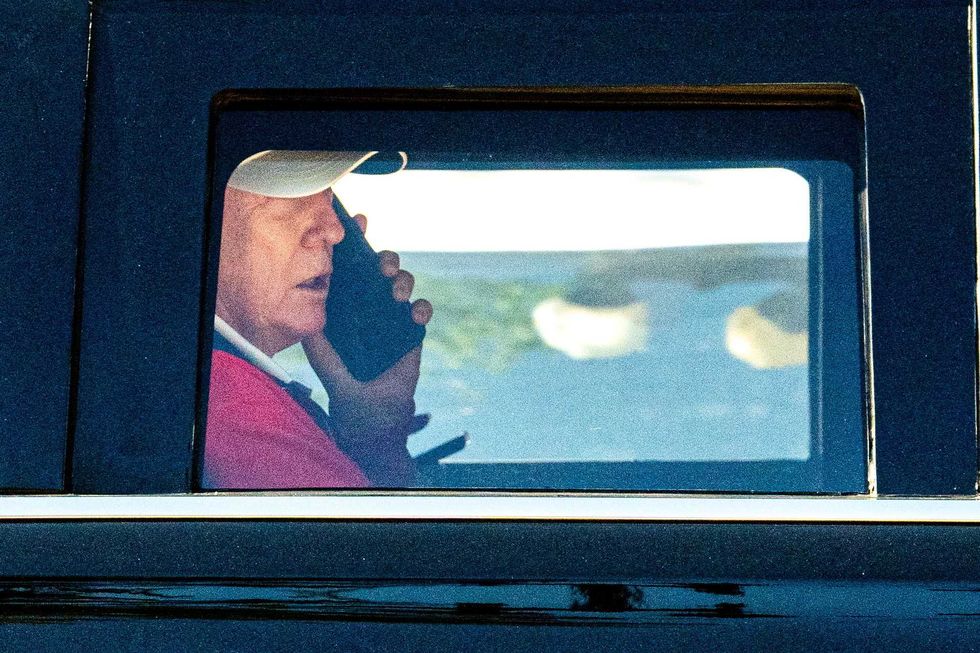
President Donald Trump's account of a phone call he says he had with Iranian officials, in which he reportedly threatened to wipe out their country, take over the Strait of Hormuz, and more, has set off a wave of disbelief, ridicule, and alarm across the political spectrum.The threats were relayed by Fox News correspondent Trey Yingst, who said he spoke with Trump for more than 20 minutes and came away with what he called new insight into the president's posture as nuclear talks opened in Switzerland. According to Yingst, Trump described what he told the Iranians about the strait in blunt terms. You close it and you won't have a country, Trump said he warned them. You won't even make it back to your f------ country. Yingst added that Trump said, We may take over the Strait, if we have to.The response from Trump's critics was immediate and caustic. Former White House communications director Anthony Scaramucci, who served briefly in Trump's first term before becoming a frequent antagonist, summed up his reaction in three dry words. Normal Presidential behavior, he wrote, sharing a MeidasTouch post that reported Trump had told Iranian President Masoud Pezeshkian, after Pezeshkian said Iran would not give up enrichment, He better watch his mouth ... or we will take over the rest of the country.Journalist Aaron Rupar, who posted Yingst's full segment, catalogued the threats without restraint. We'll take over the rest of your country ... I'll blow the s--- out of them, Rupar quoted, describing the bonkers phone call as one that apparently included threats to assassinate Iran's leadership, impose draconian US tolls in the Strait of Hormuz, and occupy Iran with the US military.Democratic Rep. Ted Lieu of California zeroed in on the practical and legal emptiness of the threats. US troops would die during any ground invasion of Iran, Lieu wrote. It would also be brazenly illegal without Congressional authorization. He warned that seizing the strait would trap American forces in a quagmire, adding that Iran would try to kill them every day in a forever war. His conclusion was that Tehran is not impressed: Iran knows these are empty threats by Trump.Some questioned whether the call even happened as described. Author and Iran expert Hooman Majd, who has written extensively about the country and served as an informal interpreter for past Iranian presidents, flatly disputed the premise. President Trump did not speak with an Iranian official and say anything of the sort directly to him, Majd wrote. He then floated a mocking theory about how Trump might be staging these confrontations: Is it possible the WH staff has arranged for a Persian-accented staffer to man a phone for Trump to call whenever he wants to yell at an 'Iranian official'?Notably, the criticism was not confined to the left. David Pyne, a self-described America First analyst who posts as @AmericaFirstCon, called the president completely unhinged and accused him of threatening to assassinate Iran's diplomatic representatives and invade, conquer and occupy all of Iran. Pyne, who opposes new wars, argued the bravado was hollow. His threat to take over all of Iran is a bluff since he's reportedly afraid to invade Iran knowing that it would lead to thousands of US military servicemembers being killed in action, he wrote, adding that even committing the entire active-duty Army and reserves likely wouldn't be enough to conquer all of Iran without a US nuclear first strike.The threats were also amplified, approvingly, by right-wing accounts. Commentator Nick Sortor, whose post was boosted by conservative legal activist Mike Davis, framed the same language as a triumph. HOLY CRAP! President Trump issued a DIRECT THREAT to Iranian negotiators in Switzerland, Sortor wrote, presenting You close [the Strait] and you won't have a country as evidence of strength rather than instability.US troops would die during any ground invasion of Iran. It would also be brazenly illegal without Congressional authorization.And if US troops took over the Straight, Iran would try to kill them every day in a forever war.Iran knows these are empty threats by trump. https://t.co/x3ZDeY52Zt— Ted Lieu (@tedlieu) June 21, 2026
Narrative Intelligence Brief
This article was published by Raw Story, a source frequently categorized with a left bias based in United States of America. Our narrative intelligence engine continuously monitors coverage from this outlet to track framing, bias, and rhetorical patterns. In this specific piece, our systems detected the potential use of the "Name Calling" technique. This narrative approach is often used to shape reader perception by highlighting specific emotional or rhetorical angles. By understanding the editorial perspective of Raw Story, readers can better contextualize the information presented and compare it across our broader media matrix to find the real narrative.
More from Raw Story
June 21, 2026
Tulsi Gabbard’s rise to power potentially guided by ‘controlling cult’ leader: report
June 21, 2026
Senator sounds alarm over G7 'nightmare scene' exposing 'state-like power' of corporations
June 21, 2026
MAGA national security expert questions if Trump is 'bipolar' or being blackmailed
June 21, 2026
'Downward spiral': Trump's niece says his decline is 'becoming impossible to hide'
June 21, 2026
Senior official makes astonishing claim on 'doomed' war: 'We went in with no real mission'
Reliability Insights
P
Technique: Name Calling
System analysis detected use of specific narrative techniques in this piece.Analysis Methodology
This narrative analysis was generated using the CoDataLab Global Intelligence Engine. Our proprietary AI scans thousands of cross-border sources to identify sentiment patterns, framing techniques, and potential media bias. While AI provides the data-driven foundation, our objective is to empower readers with additional context beyond the standard headline.The content displayed above is a structured summary designed for rapid information processing. For the full original report, please visit the source outlet.More Coverage
Discussion
"trump"
Trump Marks Father’s Day With Angry Rant

When I moved to Texas people warned me about the Trump-mad lunatics. I’ve been surprised

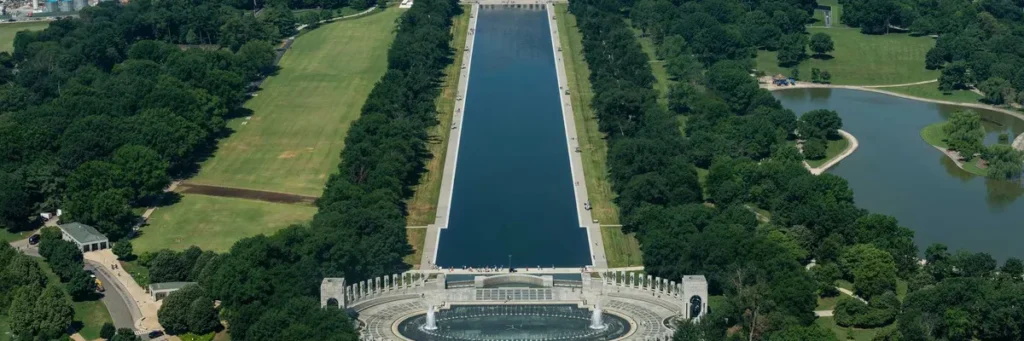
Trump lets loose new details on Reflecting Pool damage: ‘Many people have been arrested’