Today in News History
On June 21, several notable moments in the history of News stand out. In 1582, Sengoku period: Oda Nobunaga, the most powerful of the Japanese daimyōs, is forced to commit suicide by his own general Akechi Mitsuhide. In 1736, (O.S.) Enoch Poor, American general (died 1780) was born. In 1759, Alexander J. Dallas, American lawyer and politician, 6th United States Secretary of the Treasury (died 1817) was born. In 1916, Herbert Friedman, American physicist and astronomer (died 2000) was born. In 1918, Robert V. Roosa, American economist and banker (died 1993) was born. In 1924, Ezzatolah Entezami, Iranian actor (died 2018) was born. In 1930, Gerald Kaufman, English journalist and politician, Shadow Foreign Secretary (died 2017) was born. In 1947, Shirin Ebadi, Iranian lawyer, judge, and activist, Nobel Prize laureate was born. In 2001, A federal grand jury in Alexandria, Virginia, indicts 13 Saudis and a Lebanese in the 1996 bombing of the Khobar Towers in Saudi Arabia that killed 19 American servicemen. In 2012, Anna Schwartz, American economist and author (born 1915) passed away. Together, these milestones provide historical context for today's news news and ongoing narratives.
JD Vance 'humiliated' by Iranian negotiators in stunning spectacle: 'Never looked weaker'
Narrative Analysis: Name Calling
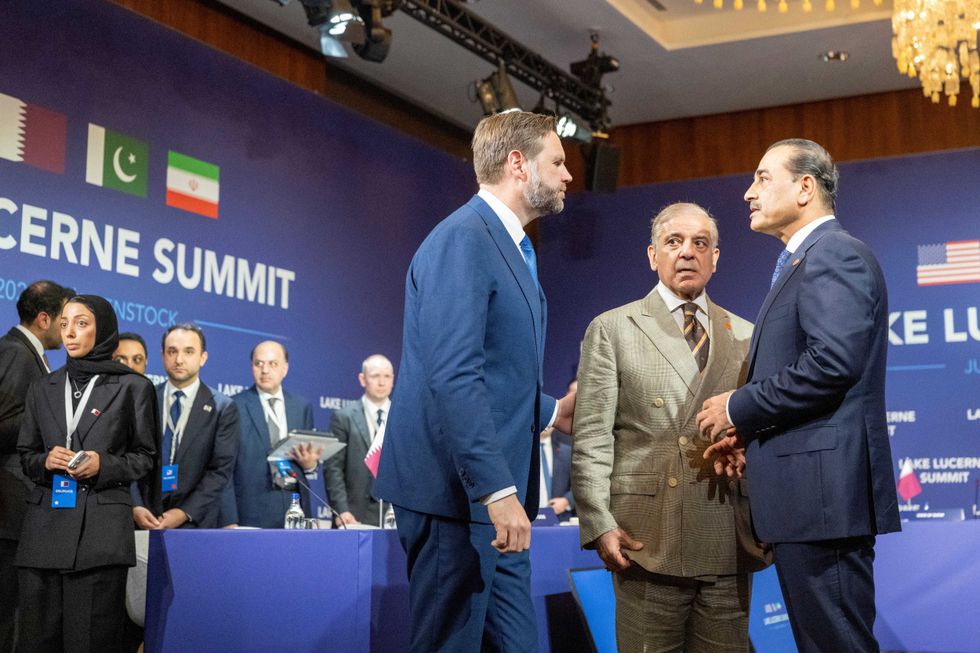
The ongoing peace talks in Switzerland between American and Iranian officials got off Sunday to a rocky start, according to one Emirati political analyst who went on to describe the spectacle as nothing short of “humiliation” for Vice President JD Vance, who’s leading the U.S. delegation.“This was humiliation. No one in modern history has made America wait and beg for negotiations. This was the moment JD Vance should have returned to Washington. The Islamic regime did this on purpose,” argued Emirati political analyst and author Amjad Taha in an analysis published on social media.Taha flagged several key details from the meeting between the two delegations that made it, he argued, “easy for the world to draw its own conclusions” on “who looked confident and who looked desperate.” Chief among them was the U.S. delegation entering the venue “well before the Iranians,” according to Taha.“In diplomacy, the side with leverage doesn't wait in the room,” Taha wrote. “You claim to be leading and winning, yet you arrived first. First mistake.”Taha also flagged a telling moment from Iranian Foreign Minister Abbas Araghci, who Taha claimed “entered last and refused to shake hands,” a claim supported by reporting from the Iranian news outlet Tasnim News Agency.Ron Filipkowski, the editor-in-chief of the progressive media organization MeidasTouch, reacted to Taha’s analysis with a bleak assessment of the United States’ global standing.“The US has never looked smaller or weaker on the world stage,” Filipkowski wrote in a social media post on X to his more than 1 million followers.The US has never looked smaller or weaker on the world stage. https://t.co/HPfRhyBbJa— Ron Filipkowski (@RonFilipkowski) June 21, 2026
Narrative Intelligence Brief
This article was published by Raw Story, a source frequently categorized with a left bias based in United States of America. Our narrative intelligence engine continuously monitors coverage from this outlet to track framing, bias, and rhetorical patterns. In this specific piece, our systems detected the potential use of the "Name Calling" technique. This narrative approach is often used to shape reader perception by highlighting specific emotional or rhetorical angles. By understanding the editorial perspective of Raw Story, readers can better contextualize the information presented and compare it across our broader media matrix to find the real narrative.
More from Raw Story
June 21, 2026
Tulsi Gabbard’s rise to power potentially guided by ‘controlling cult’ leader: report
June 21, 2026
Senator sounds alarm over G7 'nightmare scene' exposing 'state-like power' of corporations
June 21, 2026
MAGA national security expert questions if Trump is 'bipolar' or being blackmailed
June 21, 2026
'Downward spiral': Trump's niece says his decline is 'becoming impossible to hide'
June 21, 2026
Senior official makes astonishing claim on 'doomed' war: 'We went in with no real mission'
Reliability Insights
P
Technique: Name Calling
System analysis detected use of specific narrative techniques in this piece.Analysis Methodology
This narrative analysis was generated using the CoDataLab Global Intelligence Engine. Our proprietary AI scans thousands of cross-border sources to identify sentiment patterns, framing techniques, and potential media bias. While AI provides the data-driven foundation, our objective is to empower readers with additional context beyond the standard headline.The content displayed above is a structured summary designed for rapid information processing. For the full original report, please visit the source outlet.More Coverage
Discussion
"trump"
Trump Marks Father’s Day With Angry Rant

When I moved to Texas people warned me about the Trump-mad lunatics. I’ve been surprised

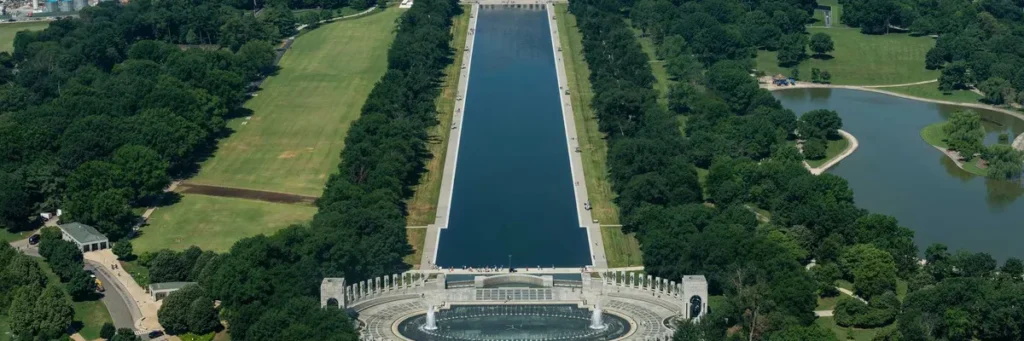
Trump lets loose new details on Reflecting Pool damage: ‘Many people have been arrested’