Today in News History
On June 18, several notable moments in the history of News stand out. In 1907, Frithjof Schuon, Swiss-American metaphysicist, philosopher, and author (died 1998) was born. In 1910, Avon Long, American actor and singer (died 1984) was born. In 1920, Aster Berkhof, Belgian author and academic (died 2020) was born. In 1934, Barack Obama Sr., Kenyan economist (died 1982) was born. In 1942, Pat Hutchins, English author and illustrator (died 2017) was born. In 1946, Russell Ash, English journalist and author (died 2010) was born. In 1964, Patti Webster, American publicist and author (died 2013) was born. In 1969, Christopher Largen, American journalist and author (died 2012) was born. In 1986, Edgars Eriņš, Latvian decathlete was born. In 1994, Takeoff, American rapper (died 2022) was born. Together, these milestones provide historical context for today's news news and ongoing narratives.
Here’s how we live forever
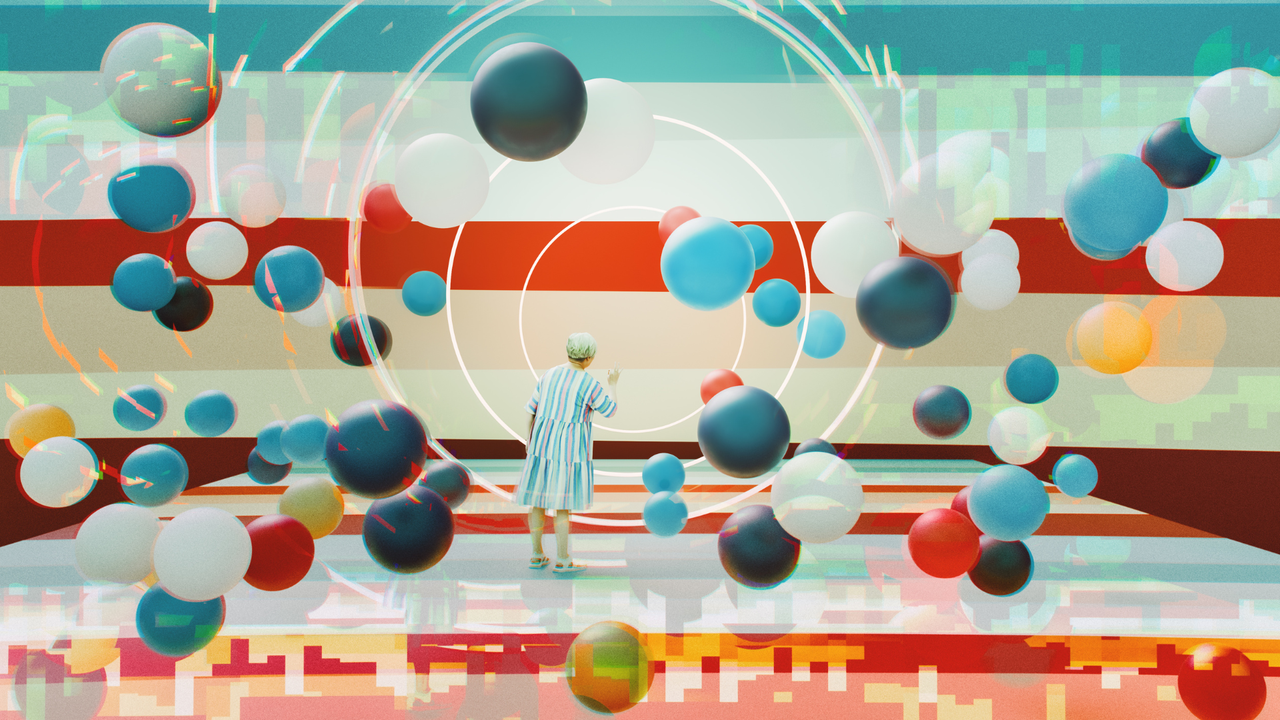
Everyone is talking about longevity. Twenty years ago this was a niche field, the preserve of calorie-restriction enthusiasts, rapamycin tinkerers, and a handful of academics counting telomeres. But now it’s everywhere. Altos Labs raised 3 billion before publishing a paper. Tech executive Bryan Johnson livestreamed his blood swaps. Calico, an Alphabet life sciences startup, has been quietly burning through Google money for a decade. And that’s fair enough. Who wouldn’t want to grow older slower—or not grow old at all? The problem is we really don’t know where to start. There is no good scientific model for longevity, which means we have no idea what “normal baseline” is for lifespan. Say you live to 103. How can you judge what factors got you there? Were they internal (genes, inflammation, hormones)? External (diet, wealth, a ventilator)? How do all these factors interact? THE POTENTIAL FACTORS So the field is making educated guesses. Among my favorites are: GLP1s: These diabetes drugs turned out to do a bit of everything. Less weight, less inflammation, fewer heart attacks. Not dying early is a good way to increase longevity. Exercise: Pilates, running, and also weight lifting. When I was at Mount Sinai as a student, we learned to recognize the Parkinson’s patients who did weight lifting. They had 10 times fewer less tremors. Love: Solitude is a biological state. Even if we don’t get it. Solitude has to be treated, or it can lead to a shorter lifespan and health span. Love is probably the answer. These could all be true. But don’t expect any of these to be the silver bullet. The reality is that everyone will have different needs when improving longevity. You might take magnesium at a dose that’s totally fine for you, but too low for your auntie, and too high for your next-door neighbor. There will be no generic approach to longevity. Precision longevity will be the key. AI FOR LONGEVITY And that’s where AI comes in. Because unravelling a problem of this complexity will require superhuman intelligence—artificial superintelligence for biology. That’s what we’re building at Owkin and it’s already helping us identify the smart questions to start asking: Why do some individuals with telomerase mutations remain resilient? Why does GLP-1 therapy induce muscle loss (GLP-1–associated sarcopenia), and how can we prevent it? But AI for longevity is not without problems. The biggest is a lack of data for the AI to learn from. We will need to find more large cohorts of patients that can tell us about putative longevity mechanisms. For example, those genetic telomerase mutations that lead to fibrosis or organ malfunction. Then there’s causation. Most longevity data is correlational. How do we untangle the causal signals from everything else happening throughout people’s lives? AI needs to get better at predicting causal mechanisms and at hypothesizing new biology. Also, reaching the endpoint of any experiment takes a long time, hopefully longer and longer. We need surrogate markers we can trust—biological-age clocks, organ-specific aging signals. But right now we haven’t aligned on one. The longevity hypotheses are going to come thick and fast. That’s where the money’s going and that’s where the interest is. And I hope we keep discovering important pieces of the puzzle. But until we can bring superintelligence to bear on the problem, fuelled by high-quality patient data, we’re not going to live forever. Thomas Clozel, MD, is CEO of Owkin.
Narrative Intelligence Brief
This article was published by Fast Company, a source frequently categorized with a lean left bias based in United States of America. Our narrative intelligence engine continuously monitors coverage from this outlet to track framing, bias, and rhetorical patterns. Our initial algorithmic scan of this specific piece did not flag high-confidence rhetorical techniques, suggesting a generally straightforward reporting style or neutral framing. By understanding the editorial perspective of Fast Company, readers can better contextualize the information presented and compare it across our broader media matrix to find the real narrative.
More from Fast Company
June 18, 2026
‘There will be history’: NYC is celebrating the Knicks with a ticker-tape extravaganza
June 18, 2026
Sleep Number Corporation stock will be delisted from Nasdaq after Chapter 11 bankruptcy; shares plummet
June 18, 2026
Memory shortage crisis: Apple CEO confirms higher prices are on the way; chip stocks keep soaring
June 18, 2026
Here’s how we created a product category that didn’t exist
June 18, 2026
AI-driven velocity is manufacturing’s new competitive edge
Analysis Methodology
This narrative analysis was generated using the CoDataLab Global Intelligence Engine. Our proprietary AI scans thousands of cross-border sources to identify sentiment patterns, framing techniques, and potential media bias. While AI provides the data-driven foundation, our objective is to empower readers with additional context beyond the standard headline.The content displayed above is a structured summary designed for rapid information processing. For the full original report, please visit the source outlet.More Coverage
Discussion
"iran"
The Text of Trump’s Iran Deal Is Out. It’s Worse Than I Thought.
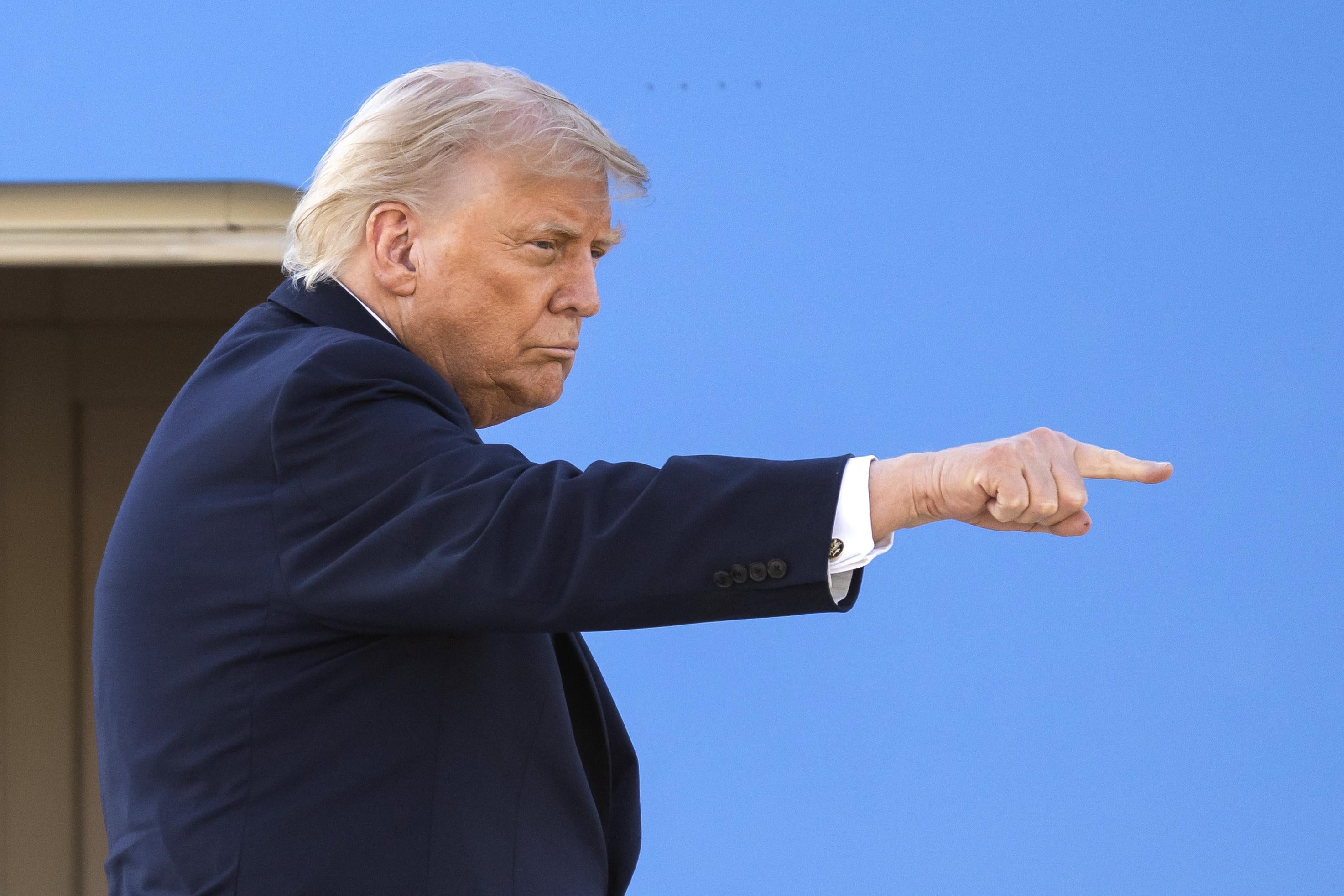
Trump scolds Netanyahu at G7 summit: ‘I feel bad for Lebanon'

Vance’s scandalous excuse for not showing the Iran deal to the people