Today in News History
On June 17, several notable moments in the history of News stand out. In 1242, Following the Disputation of Paris, twenty-four carriage loads of Jewish religious manuscripts were burnt in Paris. In 1929, The town of Murchison, New Zealand is rocked by a 7.8 magnitude earthquake killing 17. At the time it was New Zealand's worst natural disaster. In 1930, U.S. President Herbert Hoover signs the Smoot-Hawley Tariff Act into law. In 1933, Union Station massacre: In Kansas City, Missouri, four FBI agents and captured fugitive Frank Nash are gunned down by gangsters attempting to free Nash. In 1955, Mati Laur, Estonian historian, author, and academic was born. In 1963, A day after South Vietnamese President Ngô Đình Diệm announced the Joint Communiqué to end the Buddhist crisis, a riot involving around 2,000 people breaks out. One person is killed. In 1966, Mohammed Ghazy Al-Akhras, Iraqi journalist and author was born. In 1967, Nuclear weapons testing: China announces a successful test of its first thermonuclear weapon. In 1974, Refik Koraltan, Turkish lawyer and politician, 8th Speaker of the Grand National Assembly of Turkey (born 1889) passed away. In 1992, A "joint understanding" agreement on arms reduction is signed by U.S. President George Bush and Russian President Boris Yeltsin (this would be later codified in START II). Together, these milestones provide historical context for today's news news and ongoing narratives.
The Text of Trump’s Iran Deal Is Out. It’s Worse Than I Thought.
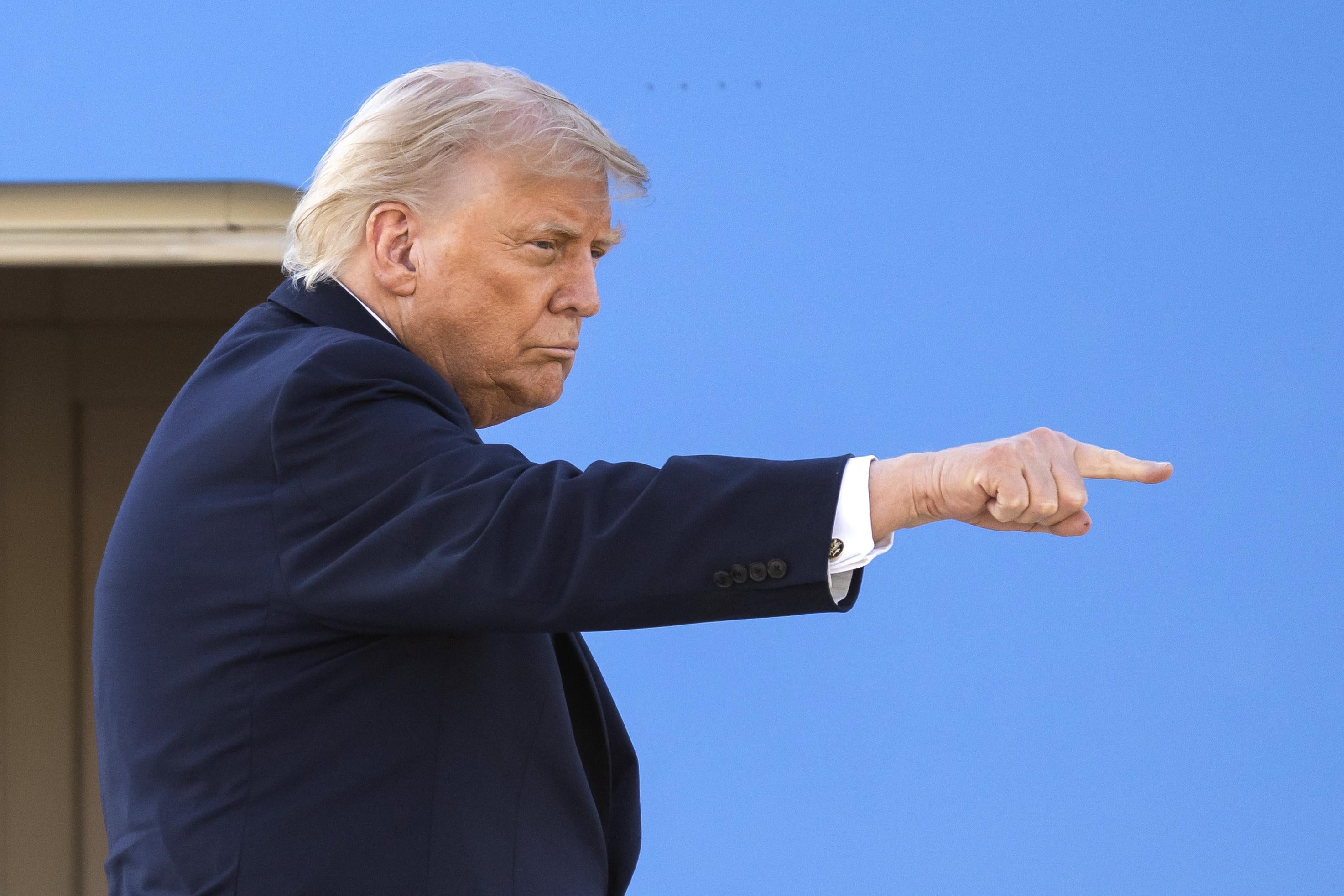
It’s more like a memorandum of little understanding!
Narrative Intelligence Brief
This article was published by Slate Magazine, a source frequently categorized with a lean left bias based in United States of America. Our narrative intelligence engine continuously monitors coverage from this outlet to track framing, bias, and rhetorical patterns. Our initial algorithmic scan of this specific piece did not flag high-confidence rhetorical techniques, suggesting a generally straightforward reporting style or neutral framing. By understanding the editorial perspective of Slate Magazine, readers can better contextualize the information presented and compare it across our broader media matrix to find the real narrative.
More from Slate Magazine
June 17, 2026
It’s the Most Controversial Scene in One of the 2000s’ Most Polarizing Movies. Even the Screenwriter Was Baffled. What if We Got It Wrong?
June 17, 2026
Another Racially Charged Verdict Has Split Americans. Here’s the Real Scandal.
June 17, 2026
There Are Some Real Humdingers in Trump’s Iran Deal
June 17, 2026
A Local Mom Posted That Her Daughter Was Looking for New Friends. I Answered Her Ad—Big Mistake.
June 17, 2026
<em>Toy Story 5</em> Takes On a Dark Subject—and Comes Away the Best Pixar Sequel in Years
Analysis Methodology
This narrative analysis was generated using the CoDataLab Global Intelligence Engine. Our proprietary AI scans thousands of cross-border sources to identify sentiment patterns, framing techniques, and potential media bias. While AI provides the data-driven foundation, our objective is to empower readers with additional context beyond the standard headline.The content displayed above is a structured summary designed for rapid information processing. For the full original report, please visit the source outlet.More Coverage
Discussion
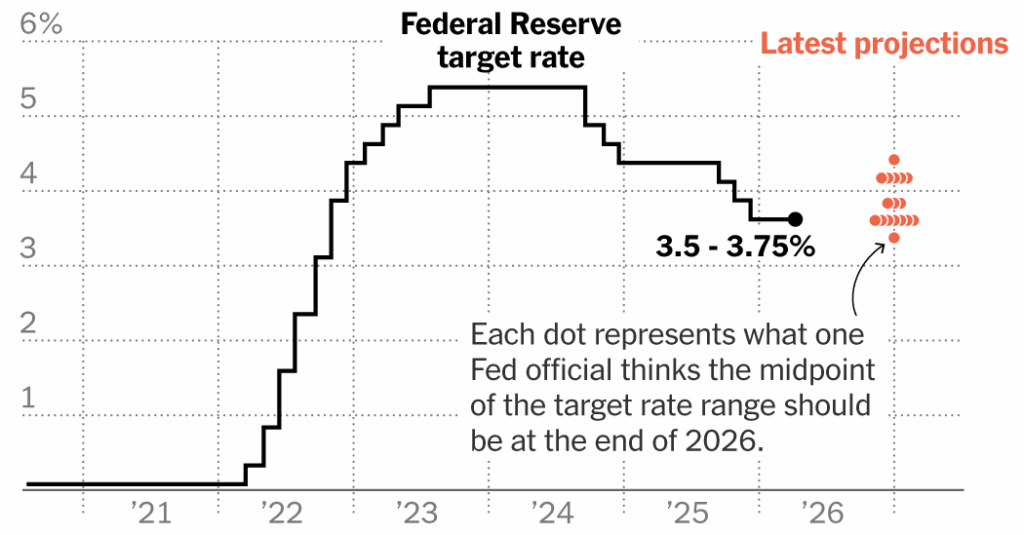
"fed holds"
ASX set to fall, Wall Street slumps as Fed holds but signals rate rise this year
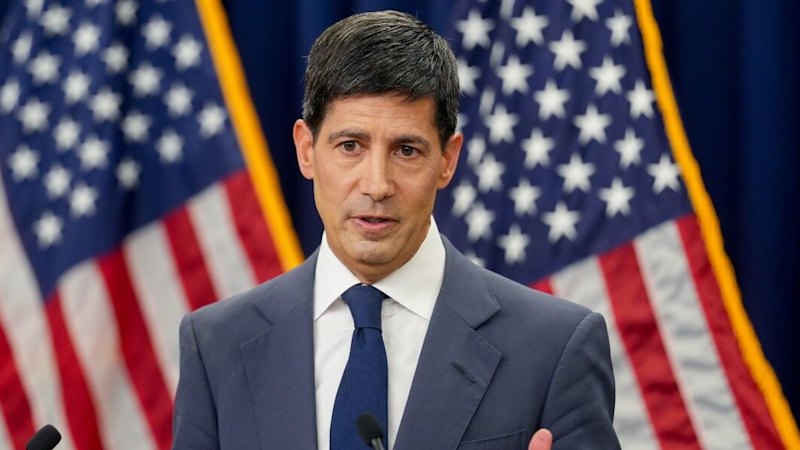
Fed Holds Rates At 3.50%-3.75%: Traders Brace For Chair Warsh's First Speech (UPDATED)

Fed Holds Rates Steady at Warsh’s First Meeting