
Today in News History
On June 20, several notable moments in the history of News stand out. In 1862, Barbu Catargiu, the Prime Minister of Romania, is assassinated. In 1926, Rehavam Ze'evi, Israeli general and politician, 9th Israeli Minister of Tourism (died 2001) was born. In 1926, The 28th International Eucharistic Congress begins in Chicago, with over 250,000 spectators attending the opening procession. In 1946, Xanana Gusmão, Timorese soldier and politician, 1st President of East Timor was born. In 1948, Ludwig Scotty, Nauruan politician, 10th President of Nauru was born. In 1949, Gotabaya Rajapaksa, 8th president of Sri Lanka was born. In 1969, Bishnu Prasad Rabha, Indian artist, painter, actor, dancer, writer, music composer and politician (born 1909) passed away. In 1973, Snipers fire upon left-wing Peronists in Buenos Aires, Argentina, in what is known as the Ezeiza massacre. At least 13 are killed and more than 300 are injured. In 1979, ABC News correspondent Bill Stewart is shot dead by a Nicaraguan National Guard soldier under the regime of Anastasio Somoza Debayle during the Nicaraguan Revolution. The murder is caught on tape and sparks an international outcry against the regime. In 1988, Haitian president Leslie Manigat is ousted from power in a coup d'état led by Lieutenant General Henri Namphy. Together, these milestones provide historical context for today's news news and ongoing narratives.
Bolivia's president declares state of emergency after six weeks of protests
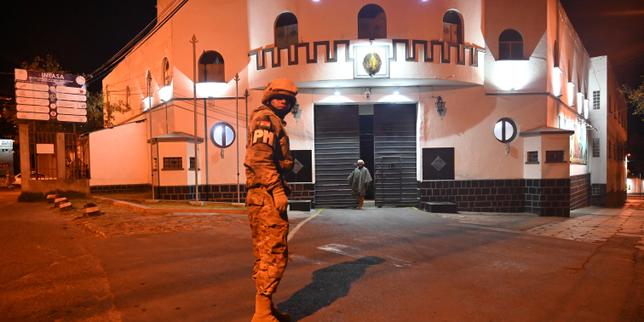
The decision came just hours after the signing of an agreement with the country's main labor union, which some protest groups reject.
Narrative Intelligence Brief
This article was published by Le Monde, a source frequently categorized with a lean left bias based in France. Our narrative intelligence engine continuously monitors coverage from this outlet to track framing, bias, and rhetorical patterns. Our initial algorithmic scan of this specific piece did not flag high-confidence rhetorical techniques, suggesting a generally straightforward reporting style or neutral framing. By understanding the editorial perspective of Le Monde, readers can better contextualize the information presented and compare it across our broader media matrix to find the real narrative.
More from Le Monde
June 20, 2026
Trump escalates spat with Italy's Meloni over G7 photo claim
June 20, 2026
Iran says Strait of Hormuz closed again after Israel strikes Lebanon
June 20, 2026
French presidential candidates capitalize on social media, bypassing journalists
June 20, 2026
Court bans Spanish PM's wife from leaving country before corruption trial
June 20, 2026
German government stokes up the memory wars surrounding the 'displaced persons' of 1945
Analysis Methodology
This narrative analysis was generated using the CoDataLab Global Intelligence Engine. Our proprietary AI scans thousands of cross-border sources to identify sentiment patterns, framing techniques, and potential media bias. While AI provides the data-driven foundation, our objective is to empower readers with additional context beyond the standard headline.The content displayed above is a structured summary designed for rapid information processing. For the full original report, please visit the source outlet.More Coverage
Discussion
"iran closes"
Iran closes Strait of Hormuz after Israel ‘ceasefire violations’

Iran closes Strait of Hormuz again, citing Israel’s attacks in Lebanon, and downplays delayed talks with U.S. that will begin in Switzerland
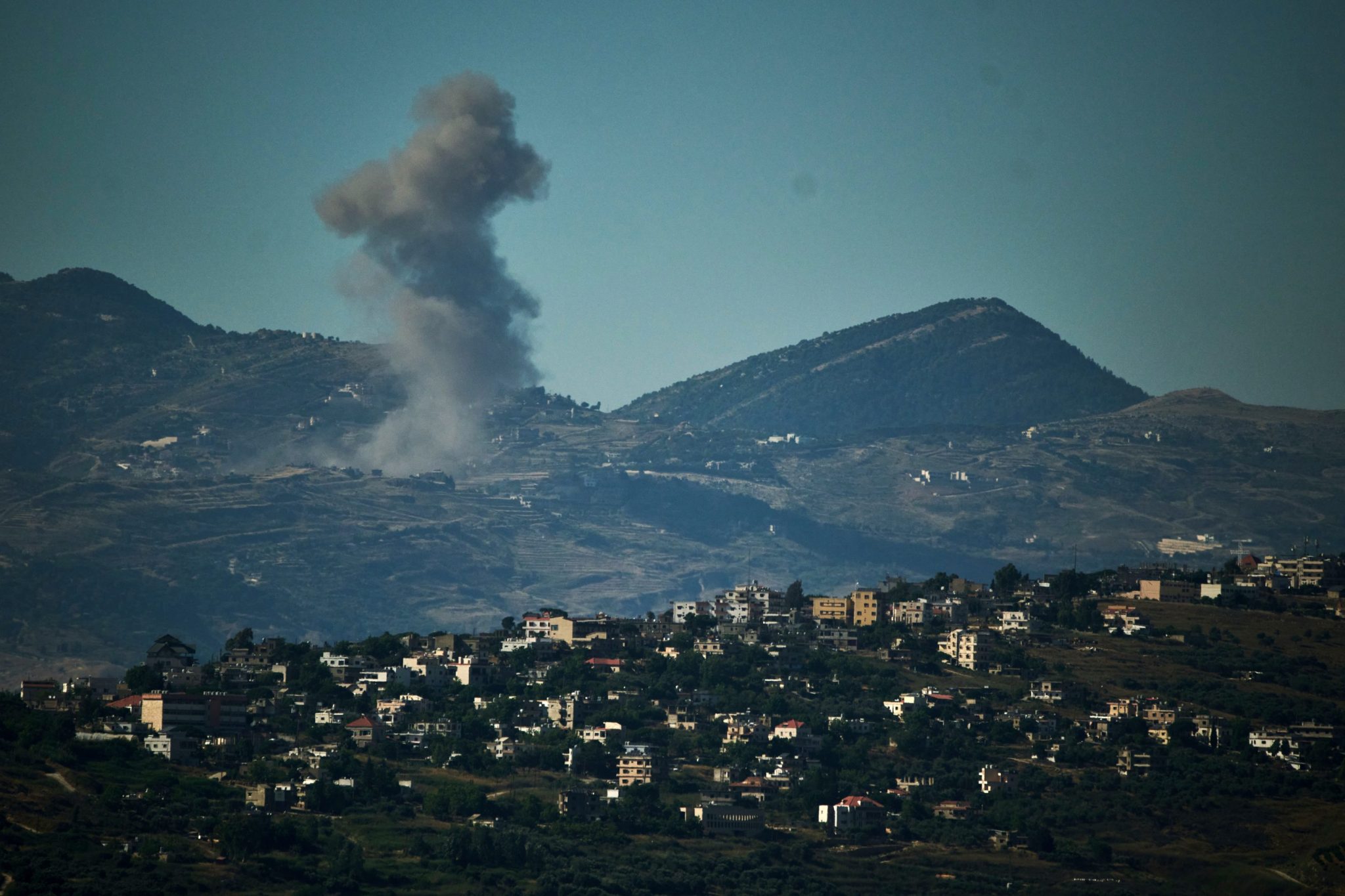
Iran Closes Strait of Hormuz as Fighting Flares Again in Lebanon
