
Today in News History
On July 5, several notable moments in the history of News stand out. In 905, Pei Shu, Chinese chancellor (born 841) passed away. In 905, Lu Yi, Chinese chancellor (born 847) passed away. In 905, Cui Yuan, Chinese chancellor passed away. In 905, Wang Pu, Chinese chancellor passed away. In 936, Xu Ji, Chinese official and chancellor passed away. In 1935, The National Labor Relations Act, which governs labor relations in the United States, is signed into law by President Franklin D. Roosevelt. In 1950, Korean War: Task Force Smith: American and North Korean forces first clash, in the Battle of Osan. In 1983, Zheng Jie, Chinese tennis player was born. In 1999, U.S. President Bill Clinton imposes trade and economic sanctions against the Taliban regime in Afghanistan. In 2009, A series of violent riots break out in Ürümqi, the capital city of the Xinjiang Uyghur Autonomous Region in China. Together, these milestones provide historical context for today's news news and ongoing narratives.
Why US and China are struggling to reach a consensus over future shape of relationship
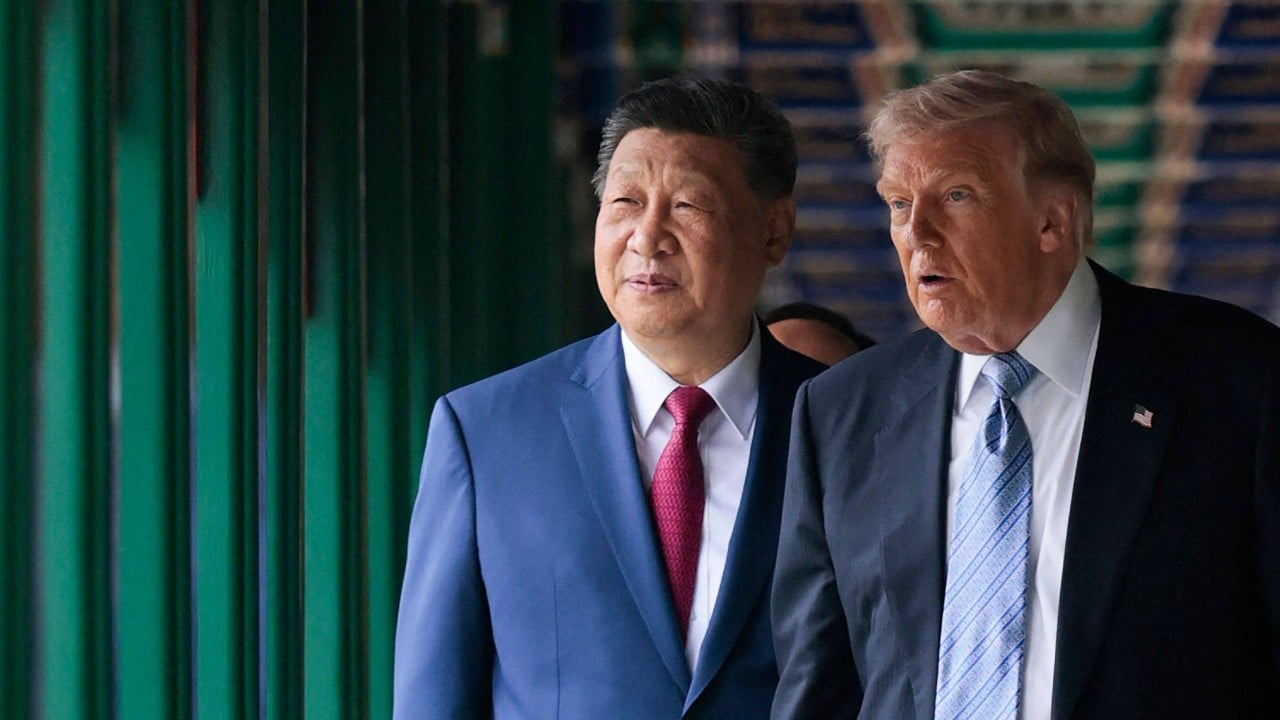
China and the United States may have agreed to establish a “constructive” relationship characterised by “strategic stability” but deep-seated differences have left the future shape of the relationship looking uncertain, a forum in Beijing heard on Saturday. Looking ahead to President Xi Jinping’s possible US visit later this year, Sun Yun, director of the China programme at US think tank the Stimson Centre, said such trips typically required a list of deliverables, “but to my knowledge, both the...
Narrative Intelligence Brief
This article was published by South China Morning Post, a source frequently categorized with a lean left bias based in Hong Kong. Our narrative intelligence engine continuously monitors coverage from this outlet to track framing, bias, and rhetorical patterns. Our initial algorithmic scan of this specific piece did not flag high-confidence rhetorical techniques, suggesting a generally straightforward reporting style or neutral framing. By understanding the editorial perspective of South China Morning Post, readers can better contextualize the information presented and compare it across our broader media matrix to find the real narrative.
More from South China Morning Post
July 5, 2026
South Korea’s World Cup loss spurs anger over ‘cartel’ of elites, favouritism
July 5, 2026
How to manage China’s rise as a civilisational power
July 5, 2026
Why Hong Kong students are heading to mainland China to intern
July 5, 2026
Asean monitors: ‘simply theatre’ in Thai-Cambodian narrative war?
July 5, 2026
Chinese tourist-site performer portraying poet Li Bai offers advice to burned-out visitors
Analysis Methodology
This narrative analysis was generated using the CoDataLab Global Intelligence Engine. Our proprietary AI scans thousands of cross-border sources to identify sentiment patterns, framing techniques, and potential media bias. While AI provides the data-driven foundation, our objective is to empower readers with additional context beyond the standard headline.The content displayed above is a structured summary designed for rapid information processing. For the full original report, please visit the source outlet.More Coverage
Discussion
"paraguay"
Mbappé spot-on to take France past stubborn Paraguay into World Cup quarter-finals

FIFA World Cup 2026 as it happened: Mbappe penalty pips Paraguay in round of 16; Morocco end Canada’s run

Fifa World Cup: Kylian Mbappé penalty sees France overcome Paraguay in tense encounter
