
Today in News History
On June 20, several notable moments in the history of News stand out. In 465, Emperor Wencheng of Northern Wei (born 440) passed away. In 1005, Ali az-Zahir, Fatimid caliph of Egypt (died 1036) was born. In 1900, Boxer Rebellion: The Imperial Chinese Army begins a 55-day siege of the Legation Quarter in Beijing, China. In 1914, Muazzez İlmiye Çığ, Turkish archaeologist and academic (died 2024) was born. In 1929, Edgar Bronfman, Sr., Canadian-American businessman and philanthropist (died 2013) was born. In 1969, Bishnu Prasad Rabha, Indian artist, painter, actor, dancer, writer, music composer and politician (born 1909) passed away. In 1973, Chino Moreno, American singer, guitarist and lyricist was born. In 1987, A-fu, Taiwanese singer and songwriter was born. In 1997, Cahit Külebi, Turkish poet and author (born 1917) passed away. In 2005, Larry Collins, American journalist, historian, and author (born 1929) passed away. Together, these milestones provide historical context for today's news news and ongoing narratives.
What the I Ching is really about
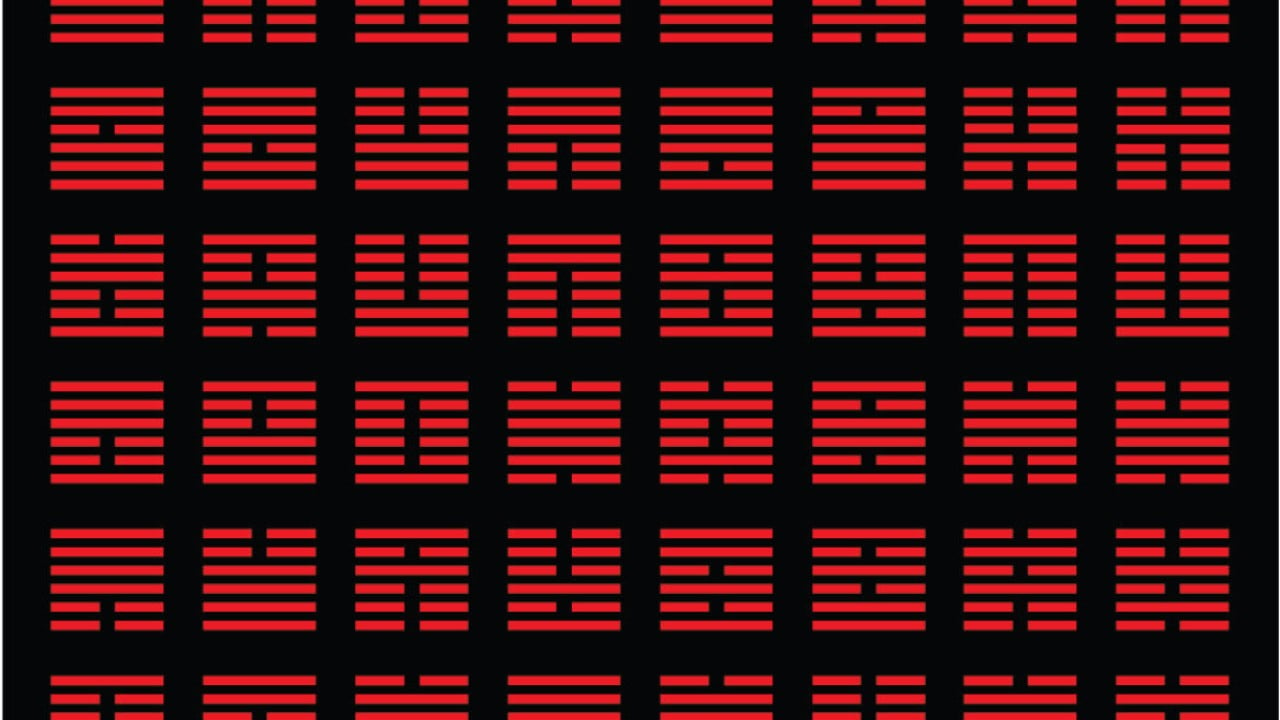
Carl Jung was a big fan of the I Ching, also known as the Book of Changes. He was also a close friend of Richard Wilhelm, whose German translation was probably the most influential Western version of the ancient Chinese text in the last century. But over the years, I have become convinced that the great Jung didn’t really get it. A red flag is that he thinks it is very difficult for the Western mind to grasp what I will call the Chinese spirit of the I Ching, which he claims is completely...
Narrative Intelligence Brief
This article was published by South China Morning Post, a source frequently categorized with a lean left bias based in Hong Kong. Our narrative intelligence engine continuously monitors coverage from this outlet to track framing, bias, and rhetorical patterns. Our initial algorithmic scan of this specific piece did not flag high-confidence rhetorical techniques, suggesting a generally straightforward reporting style or neutral framing. By understanding the editorial perspective of South China Morning Post, readers can better contextualize the information presented and compare it across our broader media matrix to find the real narrative.
More from South China Morning Post
June 20, 2026
Horses originated in America and reached Europe through China, fossil DNA reveals
June 20, 2026
Australia reports first case of H5 bird flu, virus spreads to every continent
June 20, 2026
Germany blurs defence lines with bet on Philippines’ old US base
June 20, 2026
China’s e-commerce platforms help unlock global markets for South Korean brands
June 20, 2026
Norway imposes near AI ban for junior school pupils, curbs use for older children
Analysis Methodology
This narrative analysis was generated using the CoDataLab Global Intelligence Engine. Our proprietary AI scans thousands of cross-border sources to identify sentiment patterns, framing techniques, and potential media bias. While AI provides the data-driven foundation, our objective is to empower readers with additional context beyond the standard headline.The content displayed above is a structured summary designed for rapid information processing. For the full original report, please visit the source outlet.More Coverage
Discussion
"scotland"
William to swerve World Cup until final – and avoid awkward Trump celebrations

FIFA World Cup 2026 LIVE updates: Brazil up 3-0 against Haiti after Socceroos lose 2-0 to USA; Morocco beat Scotland 1-0;Turkey and Paraguay in action today

Edinburgh Airport reopens after alert but passengers warned of ‘knock on’ impact
