
Today in News History
On July 8, several notable moments in the history of News stand out. In 1497, Vasco da Gama sets sail on the first direct European voyage to India. In 1908, V. K. R. Varadaraja Rao, Indian economist, politician, professor and educator (died 1991) was born. In 1914, Jyoti Basu, Indian politician, 6th Chief Minister of West Bengal (died 2010) was born. In 1942, Phil Gramm, American economist and politician was born. In 1949, Y. S. Rajasekhara Reddy, Indian politician, 14th Chief Minister of Andhra Pradesh (died 2009) was born. In 1970, Richard Nixon delivers a special congressional message enunciating Native American self-determination as official US Indian policy, leading to the Indian Self-Determination and Education Assistance Act of 1975. In 1972, Sourav Ganguly, Indian cricketer was born. In 1988, The Island Express train travelling from Bangalore to Kanyakumari derails on the Peruman bridge and falls into Ashtamudi Lake, Kerala in India killing 105 passengers and injuring over 200 more. In 2007, Chandra Shekhar, Indian lawyer and politician, 9th Prime Minister of India (born 1927) passed away. In 2013, Sundri Uttamchandani, Indian author (born 1924) passed away. Together, these milestones provide historical context for today's news news and ongoing narratives.
Urban India drives consumption

India’s consumption is increasingly being shaped by its large cities. According to The Many Urban Indias report by PRICE and Tata, the country’s top 100 cities are projected to account for 74.5 lakh crore in consumption in 2025-26, representing 61 per cent of urban demand. The report also highlights shifting household spending patterns, rising savings and the growing importance of emerging urban centres in driving India’s consumption story
Narrative Intelligence Brief
This article was published by The Hindu BusinessLine, a source frequently categorized with a lean right bias based in India. Our narrative intelligence engine continuously monitors coverage from this outlet to track framing, bias, and rhetorical patterns. Our initial algorithmic scan of this specific piece did not flag high-confidence rhetorical techniques, suggesting a generally straightforward reporting style or neutral framing. By understanding the editorial perspective of The Hindu BusinessLine, readers can better contextualize the information presented and compare it across our broader media matrix to find the real narrative.
More from The Hindu BusinessLine
July 8, 2026
Coal Ministry invites applications for ₹37,500-crore coal gasification programme
July 8, 2026
Tata Steel posts 3% growth in June quarter sales, India production jumps 11%
July 8, 2026
Letters to the Editor dated July 8, 2026
July 8, 2026
Editorial. Regulating usernames
July 8, 2026
Centre sets two-year deadline for passenger infra upgrade at airports
Analysis Methodology
This narrative analysis was generated using the CoDataLab Global Intelligence Engine. Our proprietary AI scans thousands of cross-border sources to identify sentiment patterns, framing techniques, and potential media bias. While AI provides the data-driven foundation, our objective is to empower readers with additional context beyond the standard headline.The content displayed above is a structured summary designed for rapid information processing. For the full original report, please visit the source outlet.More Coverage
Discussion
"iran"
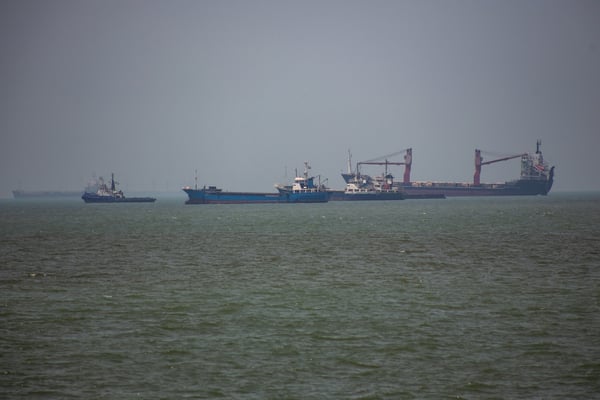
Things are getting worse in the Strait of Hormuz — again
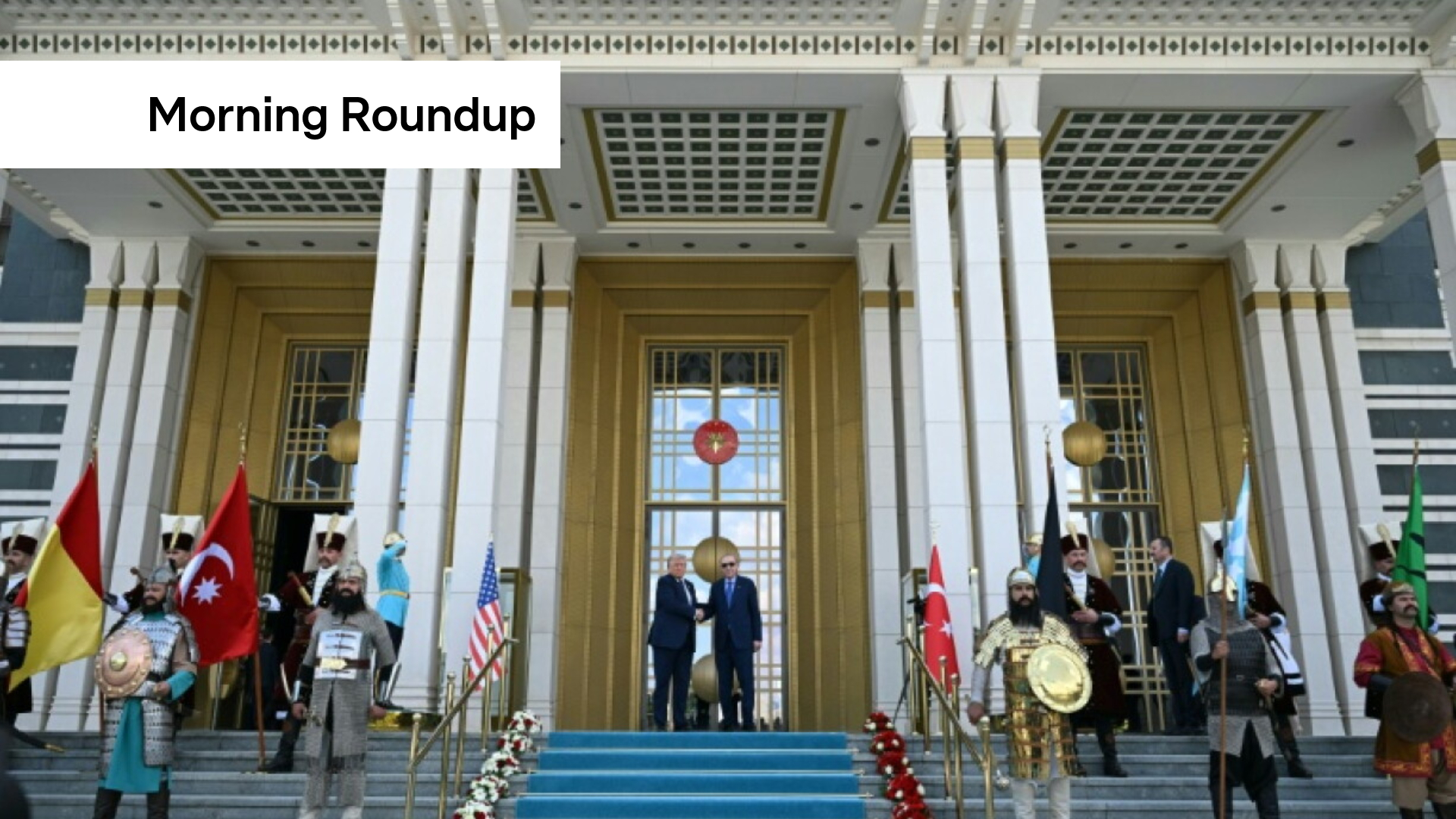
Morning Roundup: Fraud case exposes administrative weakness, US–Iran tensions reignite, and NATO summit begins
Trump excoriates NATO, calls Iranians ‘lying scum,’ and declares MOU over in angry tirade
