
Today in News History
On July 8, several notable moments in the history of News stand out. In 1730, An estimated magnitude 8.7 earthquake causes a tsunami that damages more than 1,000 km (620 mi) of Chile's coastline. In 1864, Ikedaya Incident: The Choshu Han shishi's planned Shinsengumi sabotage on Kyoto, Japan at Ikedaya. In 1892, St. John's, Newfoundland is devastated in the Great Fire of 1892. In 1898, The death of crime boss Soapy Smith, killed in the Shootout on Juneau Wharf, releases Skagway, Alaska from his iron grip. In 1934, Raquel Correa, Chilean journalist (died 2012) was born. In 1947, Reports are broadcast that a UFO crash-landed in Roswell, New Mexico in what became known as the Roswell UFO incident. In 1982, A failed assassination attempt against Iraqi president Saddam Hussein results in the Dujail Massacre over the next several months. In 1989, Tor Marius Gromstad, Norwegian footballer (died 2012) was born. In 2014, Israel launches an offensive on Gaza amid rising tensions following the kidnapping and murder of three Israeli teenagers. In 2014, The worst historical defeat of Brazil against the Germany with a result of 1-7 in the semi-finals of the 2014 FIFA World Cup that has been dubbed the Mineirazo. Together, these milestones provide historical context for today's news news and ongoing narratives.
Things are getting worse in the Strait of Hormuz — again
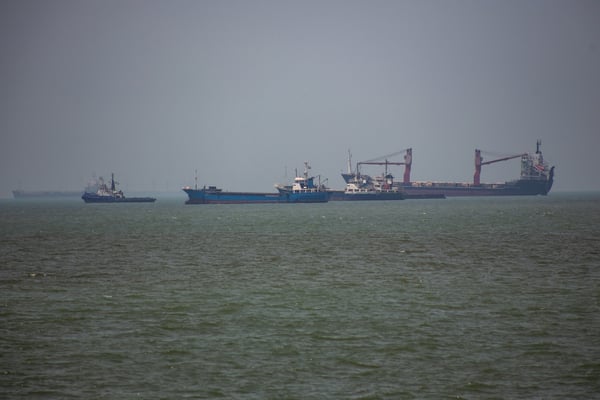
New attacks, the largest number of such incidents since a U.S.-Iran interim deal took effect, pushed oil prices up more than 3
Narrative Intelligence Brief
This article was published by Quartz, a source frequently categorized with a lean left bias based in United States of America. Our narrative intelligence engine continuously monitors coverage from this outlet to track framing, bias, and rhetorical patterns. Our initial algorithmic scan of this specific piece did not flag high-confidence rhetorical techniques, suggesting a generally straightforward reporting style or neutral framing. By understanding the editorial perspective of Quartz, readers can better contextualize the information presented and compare it across our broader media matrix to find the real narrative.
More from Quartz
July 7, 2026
20 unlikely historical figures who actually met each other in person — and what happened
July 7, 2026
25 things that change in your body when you fix your posture
July 7, 2026
The most reliable used pickup trucks to buy in 2026
July 7, 2026
The best leaders burn out decades before they're supposed to retire. Here's why
July 7, 2026
The most comfortable and fuel-efficient commuter cars of 2026
Analysis Methodology
This narrative analysis was generated using the CoDataLab Global Intelligence Engine. Our proprietary AI scans thousands of cross-border sources to identify sentiment patterns, framing techniques, and potential media bias. While AI provides the data-driven foundation, our objective is to empower readers with additional context beyond the standard headline.The content displayed above is a structured summary designed for rapid information processing. For the full original report, please visit the source outlet.More Coverage
Discussion
"oil prices"
Things are getting worse in the Strait of Hormuz — again
Oil prices jump more than 3% after US strikes on Iran, while shares in Asia are mixed
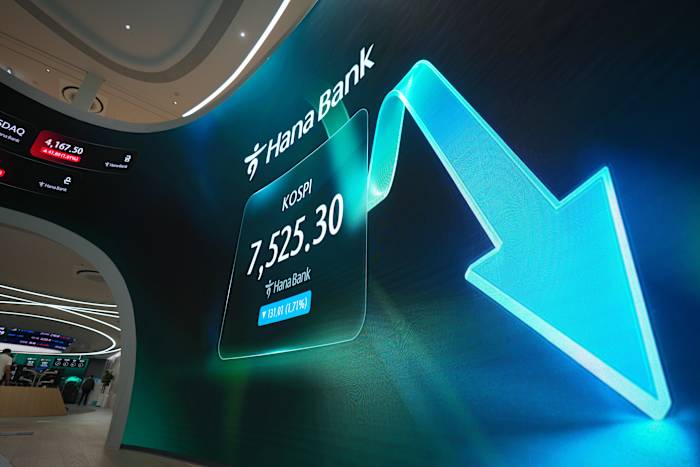
Oil prices spike again following US and Iran’s latest ‘tit-for-tat’ in the Middle East
