Today in News History
On July 2, several notable moments in the history of News stand out. In 626, Li Shimin, the future Emperor Taizong of Tang, ambushes and kills his rival brothers Li Yuanji and Li Jiancheng in the Xuanwu Gate Incident. In 1582, Battle of Yamazaki: Toyotomi Hideyoshi defeats Akechi Mitsuhide. In 1840, A Ms 7.4 earthquake strikes present-day Turkey and Armenia; combined with the effects of an eruption on Mount Ararat, kills 10,000 people. In 1881, Charles J. Guiteau shoots and fatally wounds U.S. President James A. Garfield (who will die of complications from his wounds on September 19). In 1906, Séra Martin, French middle-distance runner (died 1993) was born. In 1934, The Night of the Long Knives ends after three days of killings. In 1940, World War II: The SS Arandora Star is sunk by U-47 in the North Atlantic with the loss of over 800 lives, mostly civilians. In 1976, End of South Vietnam; Communist North Vietnam annexes the former South Vietnam to form the unified Socialist Republic of Vietnam. In 2010, The South Kivu tank truck explosion in the Democratic Republic of the Congo kills at least 230 people. In 2013, A magnitude 6.1 earthquake strikes Aceh, Indonesia, killing at least 42 people and injuring 420 others. Together, these milestones provide historical context for today's news news and ongoing narratives.
TV finales ranked from worst to best (no, Breaking Bad isn’t No.1)
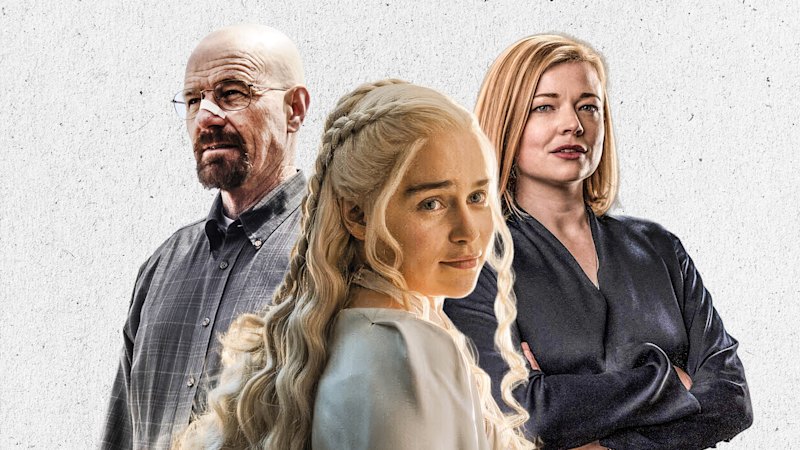
Ending a beloved show is one of the hardest tasks in television. Let’s look at the iconic series that got it right – and very wrong.
Narrative Intelligence Brief
This article was published by Brisbane Times, a source frequently categorized with a center bias based in Australia. Our narrative intelligence engine continuously monitors coverage from this outlet to track framing, bias, and rhetorical patterns. Our initial algorithmic scan of this specific piece did not flag high-confidence rhetorical techniques, suggesting a generally straightforward reporting style or neutral framing. By understanding the editorial perspective of Brisbane Times, readers can better contextualize the information presented and compare it across our broader media matrix to find the real narrative.
More from Brisbane Times
July 2, 2026
Cleaner accused of assaulting student faces court
July 2, 2026
Two major reforms bring setbacks for federal government
July 2, 2026
Victoria extends trading hours for Socceroos’ World Cup clash with Egypt
July 2, 2026
One dead, three hospitalised after drug mix-up causes heroin overdoses in Victoria
July 2, 2026
Teen, 15, left to die outside Craigeburn hospital identified
Analysis Methodology
This narrative analysis was generated using the CoDataLab Global Intelligence Engine. Our proprietary AI scans thousands of cross-border sources to identify sentiment patterns, framing techniques, and potential media bias. While AI provides the data-driven foundation, our objective is to empower readers with additional context beyond the standard headline.The content displayed above is a structured summary designed for rapid information processing. For the full original report, please visit the source outlet.More Coverage
Discussion
"trump"
Disturbing Reality of Trump’s Huge July 4 Fireworks Display Exposed

USMCA Was Once Trump’s Brainchild. Now, It’s a Dead Deal Walking.

Trump DOJ Sues Gavin Newsom’s California Over Glock Ban