Today in News History
On June 17, several notable moments in the history of News stand out. In 1930, U.S. President Herbert Hoover signs the Smoot-Hawley Tariff Act into law. In 1940, George Akerlof, American economist and academic, Nobel Prize laureate was born. In 1941, Nicholas C. Handy, English chemist and academic (died 2012) was born. In 1959, Nikos Stavropoulos, Greek basketball player and coach was born. In 1970, Will Forte, American actor, comedian, and screenwriter was born. In 1972, Watergate scandal: Five White House operatives are arrested for burgling the offices of the Democratic National Committee during an attempt by members of the administration of President Richard M. Nixon to illegally wiretap the political opposition as part of a broader campaign to subvert the democratic process. In 1992, A "joint understanding" agreement on arms reduction is signed by U.S. President George Bush and Russian President Boris Yeltsin (this would be later codified in START II). In 2001, Donald J. Cram, American chemist and academic, Nobel Prize laureate (born 1919) passed away. In 2012, Stéphane Brosse, French mountaineer (born 1971) passed away. In 2014, Stanley Marsh 3, American businessman and philanthropist (born 1938) passed away. Together, these milestones provide historical context for today's news news and ongoing narratives.
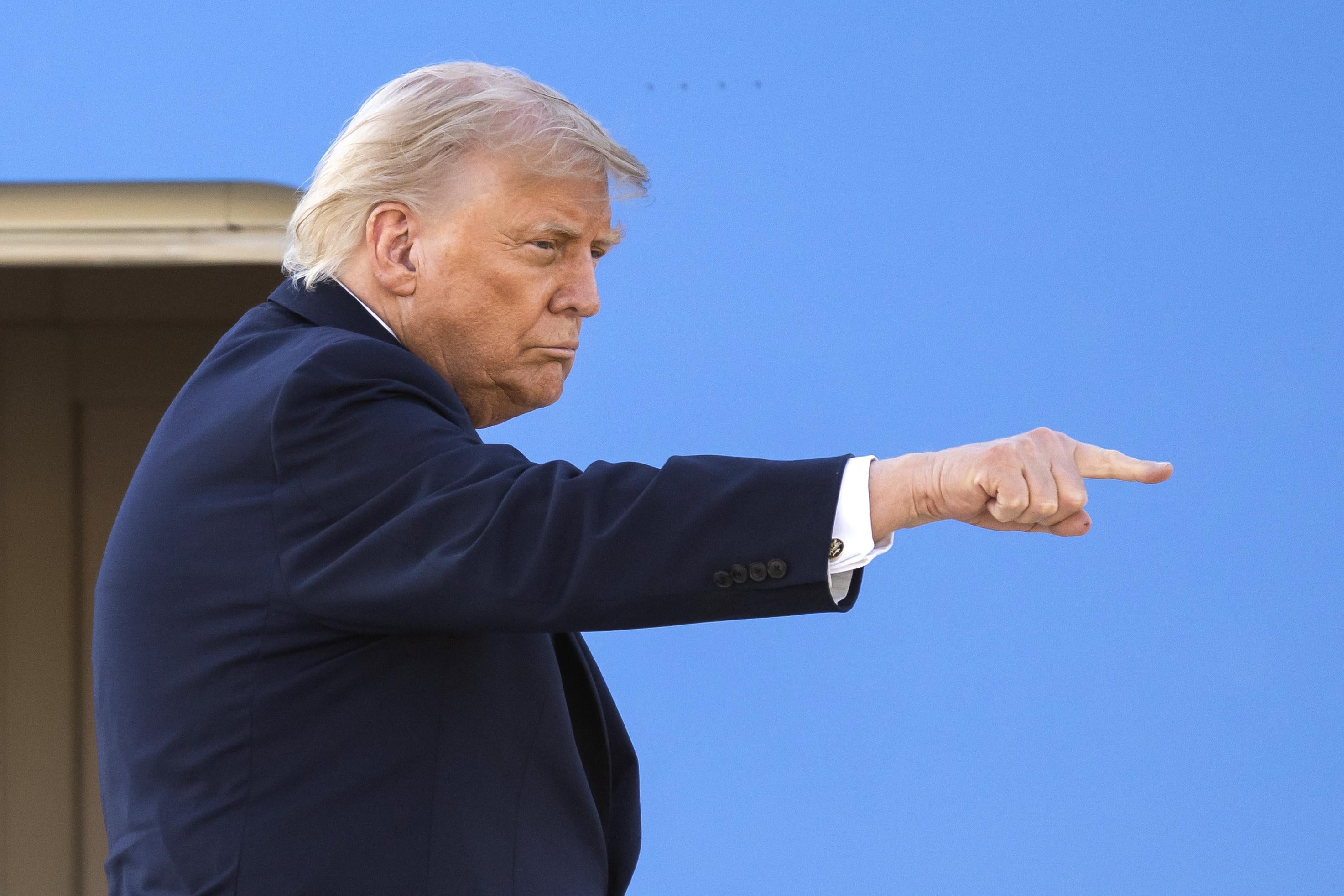
Trump administration paying another company to give up wind leases, invest in gas and geothermal

The Trump administration is paying yet another company to give up the right to build wind energy offshore, saying the firm will invest in gas plants and geothermal energy instead. The Interior Department announced Wednesday that it reached a settlement agreement with affiliates of Invenergy to give up four offshore wind leases off the costs...
Narrative Intelligence Brief
This article was published by The Hill, a source frequently categorized with a center bias based in United States of America. Our narrative intelligence engine continuously monitors coverage from this outlet to track framing, bias, and rhetorical patterns. Our initial algorithmic scan of this specific piece did not flag high-confidence rhetorical techniques, suggesting a generally straightforward reporting style or neutral framing. By understanding the editorial perspective of The Hill, readers can better contextualize the information presented and compare it across our broader media matrix to find the real narrative.
More from The Hill
June 17, 2026
DOJ uses alleged UFC plot to argue for Trump ballroom
June 17, 2026
Missouri attorney general calls on MLB not to discipline players over Pride Night protest
June 17, 2026
Scottish World Cup fans are drinking Boston dry
June 17, 2026
RFK Jr. announces $700M investment in addiction services, emphasizing faith-based organizations
June 17, 2026
Oklahoma pastor drops out of runoff for Hern's House seat after Trump withdraws endorsement
Analysis Methodology
This narrative analysis was generated using the CoDataLab Global Intelligence Engine. Our proprietary AI scans thousands of cross-border sources to identify sentiment patterns, framing techniques, and potential media bias. While AI provides the data-driven foundation, our objective is to empower readers with additional context beyond the standard headline.The content displayed above is a structured summary designed for rapid information processing. For the full original report, please visit the source outlet.More Coverage
Discussion