Today in News History
On June 20, several notable moments in the history of News stand out. In 1756, A British garrison is imprisoned in the Black Hole of Calcutta. In 1909, Friedrich Martens, Estonian-Russian historian, lawyer, and diplomat (born 1845) passed away. In 1932, Robert Rozhdestvensky, Russian poet and author (died 1994) was born. In 1942, The Holocaust: Kazimierz Piechowski and three others, dressed as members of the SS-Totenkopfverbände, steal an SS staff car and escape from the Auschwitz concentration camp. In 1944, World War II: During the Continuation War, the Soviet Union demands unconditional surrender from Finland during the beginning of partially successful Vyborg-Petrozavodsk Offensive. The Finnish government refuses. In 1948, The Deutsche Mark is introduced in Western Allied-occupied Germany. The Soviet Military Administration in Germany responded by imposing the Berlin Blockade four days later. In 1969, Misha Verbitsky, Russian mathematician and academic was born. In 1982, Vasili Berezutski, Russian footballer was born. In 1994, The 1994 Imam Reza shrine bomb explosion in Iran leaves at least 25 dead and 70 to 300 injured. In 2011, RusAir Flight 9605 crashes in Besovets during approach to Petrozavodsk Airport, killing 47. Together, these milestones provide historical context for today's news news and ongoing narratives.
The uncertain fate of non-Russian prisoners of war captured by Ukrainian forces
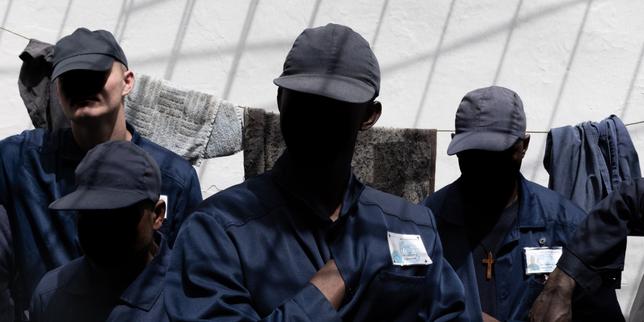
Hundreds of foreign fighters held in captivity in Ukraine find themselves in legal limbo, as Moscow refuses to include them in prisoner exchanges.
Narrative Intelligence Brief
This article was published by Le Monde, a source frequently categorized with a lean left bias based in France. Our narrative intelligence engine continuously monitors coverage from this outlet to track framing, bias, and rhetorical patterns. Our initial algorithmic scan of this specific piece did not flag high-confidence rhetorical techniques, suggesting a generally straightforward reporting style or neutral framing. By understanding the editorial perspective of Le Monde, readers can better contextualize the information presented and compare it across our broader media matrix to find the real narrative.
More from Le Monde
June 20, 2026
Bétharram Catholic school abuse scandal: Independent commission recommends financial compensation for victims
June 20, 2026
David Hockney's funeral already held privately, says his publicist
June 20, 2026
France issues red heatwave alert on Sunday for third of country, bans public alcohol consumption at music festival
June 20, 2026
Trump escalates spat with Italy's Meloni over G7 photo claim
June 20, 2026
Iran says Strait of Hormuz closed again after Israel strikes Lebanon