
Today in News History
On July 12, several notable moments in the history of News stand out. In 981, Xue Juzheng, Chinese scholar-official and historian passed away. In 1776, Captain James Cook begins his third voyage. In 1928, Imero Fiorentino, American lighting designer (died 2013) was born. In 1938, Eiko Ishioka, Japanese art director and graphic designer (died 2012) was born. In 1947, Richard C. McCarty, American psychologist and academic was born. In 1949, Douglas Hyde, Irish scholar and politician, 1st President of Ireland (born 1860) passed away. In 1949, Rick Hendrick, American businessman, founded Hendrick Motorsports was born. In 1977, Neil Harris, English footballer and manager was born. In 1980, John Warren Davis, American educator, college administrator, and civil rights leader (born 1888) passed away. In 2012, Hamid Samandarian, Iranian director and playwright (born 1931) passed away. Together, these milestones provide historical context for today's news news and ongoing narratives.
The new rules of leadership start with emotional intelligence

Leadership has never been easy. Today there are additional challenges that make it increasingly difficult. Rapidly changing workplaces, employee stress, generational conflict, hybrid work arrangements, and growing calls for transparency all add extra layers that leaders have to contend with. In the past leaders relied on technical skills and authority that their titles granted. These are becoming less relevant and there are growing demands for leaders who are able to instill trust and inspire commitment, and have the people skills that are considered emotional intelligence. The ability to recognize, understand, and manage emotions in oneself and in others is the widely accepted definition of emotional intelligence. The old models of leadership that focus on controlling employees are losing favor in today’s workplace. Employees are looking for leaders with whom they can form strong, authentic human connections. More than just a salary and security, employees are looking for workplaces where they feel understood, respected, and valued. No longer satisfied with simply being a part of the organization, they want to be seen as individuals with their own personalities, skills, and lives outside of the workplace. They also want workplaces where they are free and safe to express their ideas, take some risks, and question the status quo. Every solid relationship is built on trust, in the workplace or elsewhere. Leaders with high levels of emotional intelligence understand that trust can be built through increased self-awareness and reacting with honesty and authenticity in difficult situations. Jamie Shapiro, an organizational psychologist and executive coach who is CEO of Connected EC, puts it this way: “Trust is built through the behaviors that leaders model every day and their willingness to show appropriate vulnerability.” Instead of resorting to fear-based actions such as intimidation, these leaders act with fairness and respect. As a result, they win more respect and discretionary effort from their reports. One of the cornerstone aspects of emotional intelligence is empathy. It is the ability to understand what others may be going through, even though we may not agree with them. This ability is at the core of developing strong and lasting connections with others. Shapiro explains: “Our research shows the heart of team performance is connection, and it comes down to two questions people are always asking—can I trust you, and do you care about me? When the answer to both is yes, connection grows.” Leaders who have developed this attribute will form stronger bonds with their people that translate into less turnover and stronger loyalty. In my book, Emotional Intelligence Game Changers: 101 Simple Ways to Win at Work+Life, I delve deeper into what leaders can do to earn trust. We know that a major reason that employees leave organizations is not that they have a conflict with the organization itself, but with a manager. Managers who lack empathy create conflict, disengagement, and a toxic workplace culture. Of the emotional intelligence skills needed by leaders, empathy is one of the most important. “People have a fundamental need to be seen, heard, and acknowledged,” Shapiro says. “Empathy is key to how leaders can move from managing tasks to leading humans and meeting that need.” Disagreement and conflict in organizations are inevitable. How they are handled makes the difference between dysfunctional organizations and those that thrive. Leaders who are open, empathic, and able to share their own vulnerabilities feel less threatened by conflict and see it as an opportunity for creating deeper understanding and engagement among their employees. They view disagreements as a sign that people want to be involved and heard. They see lack of feedback from their employees as the real danger, indicating disengagement and/or a fear of speaking out. “Speaking candidly with care is how teams reach their highest levels of performance,” states Shapiro. Leaders who model and encourage open communication, empathy, and vulnerability are in an ideal position to help develop these attributes throughout the organization. When their employees feel safe to share their ideas, speak up, and challenge what they don’t agree with, they will feel a stronger connection to the organization. In this time of rapid technological change and AI disruption, leaders need emotional intelligence skills that will create the connections that result in healthier workplaces. These skills are crucial to the development of effective teams and workplaces that will thrive.
Narrative Intelligence Brief
This article was published by Fast Company, a source frequently categorized with a lean left bias based in United States of America. Our narrative intelligence engine continuously monitors coverage from this outlet to track framing, bias, and rhetorical patterns. Our initial algorithmic scan of this specific piece did not flag high-confidence rhetorical techniques, suggesting a generally straightforward reporting style or neutral framing. By understanding the editorial perspective of Fast Company, readers can better contextualize the information presented and compare it across our broader media matrix to find the real narrative.
More from Fast Company
July 11, 2026
In a tough job market, don’t make AI your only career coach
July 12, 2026
Companies keep talking about the motherhood penalty. They’re missing the motherhood advantage
July 12, 2026
5 career truths nobody tells you
July 11, 2026
This airport wants to separate wealthy travelers from everyone else
July 11, 2026
Housing market shift explained—and where it’s happening the quickest
Analysis Methodology
This narrative analysis was generated using the CoDataLab Global Intelligence Engine. Our proprietary AI scans thousands of cross-border sources to identify sentiment patterns, framing techniques, and potential media bias. While AI provides the data-driven foundation, our objective is to empower readers with additional context beyond the standard headline.The content displayed above is a structured summary designed for rapid information processing. For the full original report, please visit the source outlet.More Coverage
Discussion
"cup semifinal"
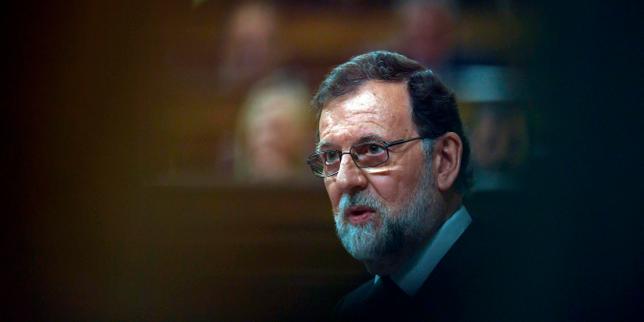
Former Spanish PM Rajoy makes racist remarks about France's football team
[Photo] JUST IN: 🇦🇷 Argentina officially advances to the FIFA World Cup semifinal after defeat [...]

Argentina's hero: "We are just two steps away from the goal"

How other outlets are covering this story
Compare narratives across 6 related reports from 6 sources. Real Narrative News aggregates the coverage spectrum so you can see who emphasises what — bias tags reflect the outlet, not the story.
Coverage bias distribution
6 sources
Left 33%
Center 33%
Right 17%
ASCD SmartBrief
· Jul 2, 2026
How relational intelligence can empower leaders and teams
Mastering relational intelligence -- the ability to understand and manage the emotional impact of your actions as a leader, c -More-
Inc.com
· Jun 30, 2026
The Leadership Skill That Changes How You See Everything
The real upgrade isn’t intelligence. It’s awareness.
Quartz
· Jun 22, 2026
20 things the best leaders do that have nothing to do with seniority
The best leadership principles aren't specific to a level, an industry, or a title — they're about the fundamentals of how people work together, and they compound across a career
Borneo Bulletin
· Jul 4, 2026
‘Leadership is defined by behaviour, not titles or positions’
‘Leadership is defined by behaviour, not titles or positions’
Irish Tech News
· Jul 8, 2026
Why Discipline Beats Vision
Guest post by Dane Hudson, who is a former 25-year global CEO. Discipline Beats Vision: How to Be the Leader Your Company Needs (Wiley, 2026) is his first book. See more about the book here. The Optimism Trap: When the Vision That Launched Your Company Starts Derailing It Every founder I have ever mentored has []
https://cdn.mos.cms.futurecdn.net/EVZHdaZFcWXiRQytqvKPbU.jpg
· Jul 9, 2026
The Exit Coach: How Advisers Can Guide Business Owners Through the Emotional Process of a Sale
The Exit Coach: How Advisers Can Guide Business Owners Through the Emotional Process of a Sale
Topics:
Related coverage for "The new rules of leadership start with emotional intelligence": ASCD SmartBrief — How relational intelligence can empower leaders and teams. Inc.com — The Leadership Skill That Changes How You See Everything. Quartz — 20 things the best leaders do that have nothing to do with seniority. Borneo Bulletin — ‘Leadership is defined by behaviour, not titles or positions’. Irish Tech News — Why Discipline Beats Vision. https://cdn.mos.cms.futurecdn.net/EVZHdaZFcWXiRQytqvKPbU.jpg — The Exit Coach: How Advisers Can Guide Business Owners Through the Emotional Process of a Sale