Today in News History
On July 5, several notable moments in the history of News stand out. In 1865, The United States Secret Service begins operation. In 1882, Inayat Khan, Indian mystic and educator (died 1927) was born. In 1948, National Health Service Acts create the national public health system in the United Kingdom. In 1977, The Pakistan Armed Forces under Muhammad Zia-ul-Haq seize power in Operation Fair Play and begin 11 years of martial law. Zulfikar Ali Bhutto, the first elected Prime Minister of Pakistan, is overthrown. In 1983, Taavi Peetre, Estonian shot putter (died 2010) was born. In 1984, Chic Murray, Canadian politician, 2nd Mayor of Mississauga (born 1914) passed away. In 1997, Sri Lankan Civil War: Sri Lankan Tamil MP A. Thangathurai is shot dead at Sri Shanmuga Hindu Ladies College in Trincomalee. In 1997, A. Thangathurai, Sri Lankan Tamil lawyer and politician (born 1936) passed away. In 2003, The World Health Organization announces that the 2002-2004 SARS outbreak has been contained. In 2009, A series of violent riots break out in Ürümqi, the capital city of the Xinjiang Uyghur Autonomous Region in China. Together, these milestones provide historical context for today's news news and ongoing narratives.
State apathy in Pakistan: Two sanitary workers suffocate to death in toxic manhole without basic safety gear
Narrative Analysis: Appeal to Fear

Two Pakistani sanitary workers died of suffocation, and another is critical after inhaling toxic gases while cleaning a manhole in Chishtian. Grieving families blamed the municipal authorities for failing to provide safety gear and accused rescue teams of negligence, highlighting the perilous conditions of civic workers under the administration.
Narrative Intelligence Brief
This article was published by The Tribune, a source frequently categorized with a center bias based in India. Our narrative intelligence engine continuously monitors coverage from this outlet to track framing, bias, and rhetorical patterns. In this specific piece, our systems detected the potential use of the "Appeal to Fear" technique. This narrative approach is often used to shape reader perception by highlighting specific emotional or rhetorical angles. By understanding the editorial perspective of The Tribune, readers can better contextualize the information presented and compare it across our broader media matrix to find the real narrative.
More from The Tribune
July 5, 2026
Pakistani forces open fire on peaceful rally as massive anti-Islamabad uprising grips PoJK
July 5, 2026
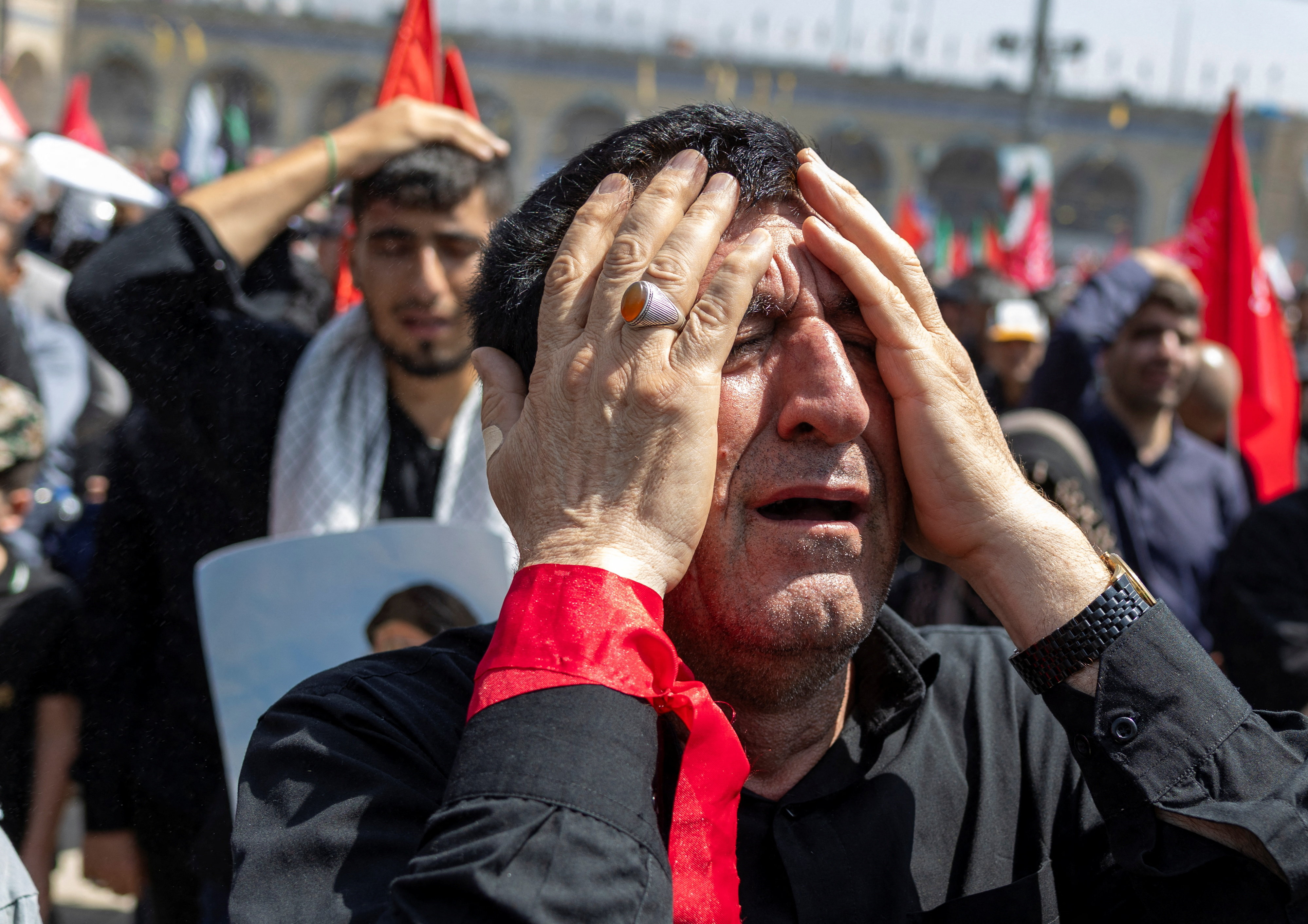
Salman Khurshid, Mehbooba Mufti attend funeral prayers for Ayatollah Khamenei
July 5, 2026
Pakistan’s public healthcare crisis deepens as Karachi doctors intensify protest over unpaid dues
July 5, 2026
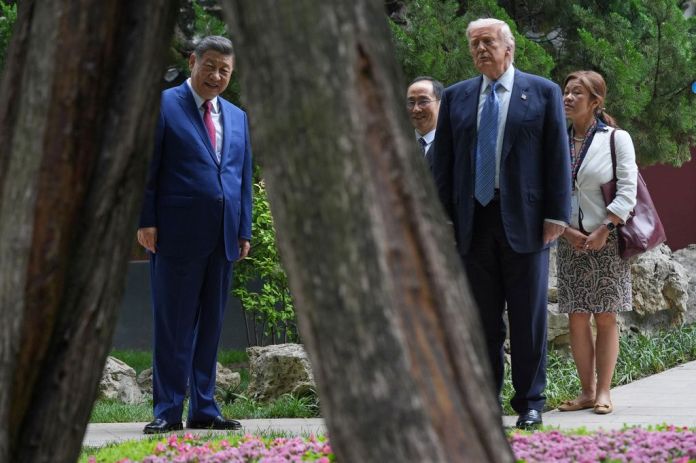
Trump slams Chicago leaders: Contrasts deaths in shooting incidents to US casualties in Iran conflict
July 5, 2026
Diljit Dosanjh’s hilarious ‘US visa hack’, says ‘Trump’s daughter follows me on Instagram’
Reliability Insights
P
Technique: Appeal to Fear
System analysis detected use of specific narrative techniques in this piece.Analysis Methodology
This narrative analysis was generated using the CoDataLab Global Intelligence Engine. Our proprietary AI scans thousands of cross-border sources to identify sentiment patterns, framing techniques, and potential media bias. While AI provides the data-driven foundation, our objective is to empower readers with additional context beyond the standard headline.The content displayed above is a structured summary designed for rapid information processing. For the full original report, please visit the source outlet.More Coverage
Discussion