Today in News History
On June 17, several notable moments in the history of News stand out. In 1900, Boxer Rebellion: Western Allied and Japanese forces capture the Taku Forts in Tianjin, China. In 1932, Bonus Army: Around a thousand World War I veterans amass at the United States Capitol as the U.S. Senate considers a bill that would give them certain benefits. In 1940, The three Baltic states of Estonia, Latvia and Lithuania fall under the occupation of the Soviet Union. In 1941, Đorđe Bogić, protopresbyter of the Serbian Orthodox Church, victim of Genocide of Serbs (born 1911) passed away. In 1952, Guatemala passes Decree 900, ordering the redistribution of uncultivated land. In 1955, Mati Laur, Estonian historian, author, and academic was born. In 1966, Mohammed Ghazy Al-Akhras, Iraqi journalist and author was born. In 1967, Nuclear weapons testing: China announces a successful test of its first thermonuclear weapon. In 1985, Space Shuttle program: STS-51-G mission: Space Shuttle Discovery launches carrying Sultan bin Salman bin Abdulaziz Al Saud, the first Arab and first Muslim in space, as a payload specialist. In 1992, A "joint understanding" agreement on arms reduction is signed by U.S. President George Bush and Russian President Boris Yeltsin (this would be later codified in START II). Together, these milestones provide historical context for today's news news and ongoing narratives.
Nuclear Subversion Approved: Why the Final Western Treaty Leaves Enriched Uranium on Iranian Soil
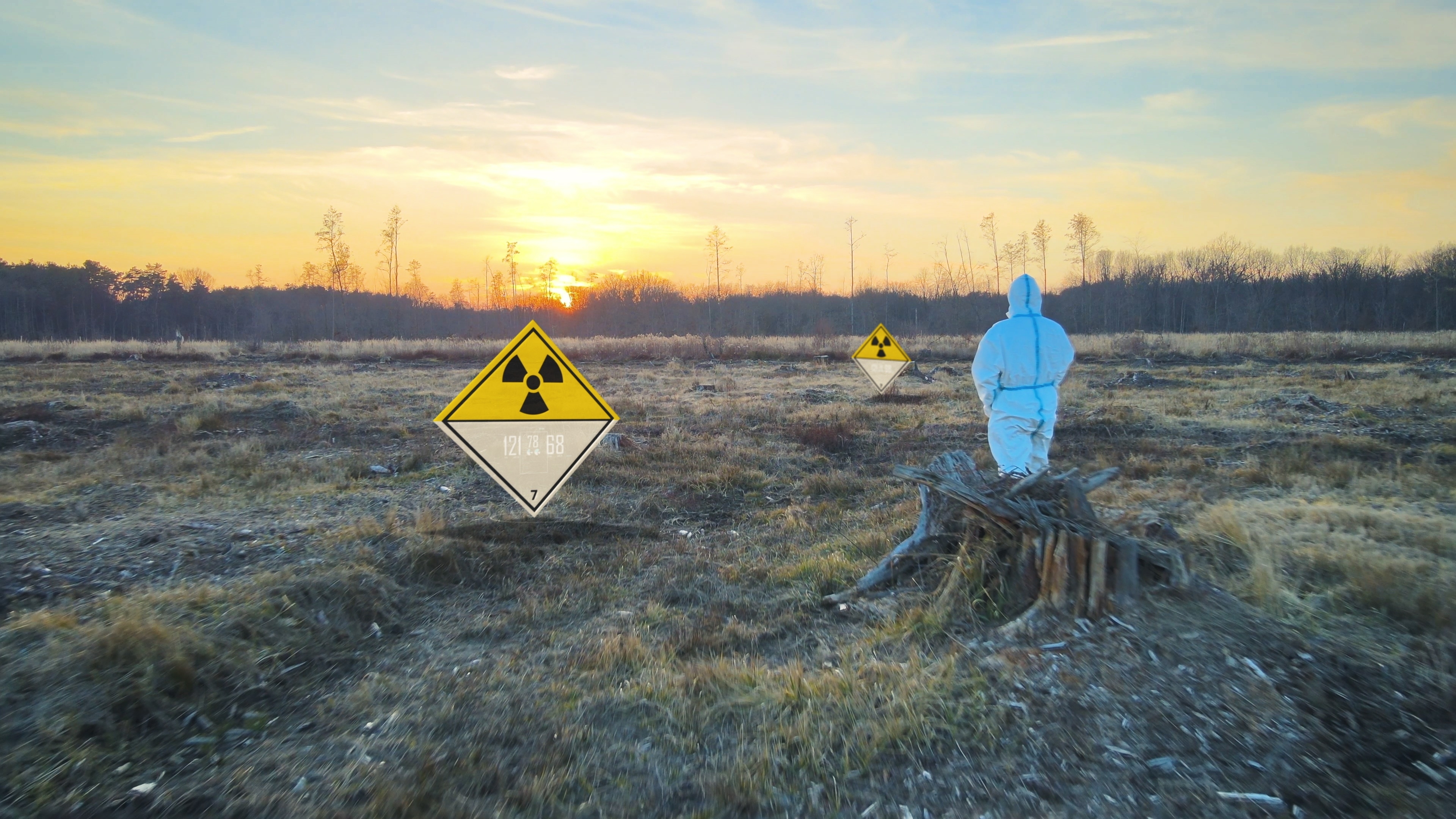
The White House has officially released the complete fourteen point memorandum of understanding finalized with the Islamic Republic of Iran, revealing a sweeping series of concessions that grant Tehran immediate sanction relief, a massive economic recovery fund, and permanent operational control over vital international shipping corridors.
Narrative Intelligence Brief
This article was published by JFeed, a source frequently categorized with a right bias based in Israel. Our narrative intelligence engine continuously monitors coverage from this outlet to track framing, bias, and rhetorical patterns. Our initial algorithmic scan of this specific piece did not flag high-confidence rhetorical techniques, suggesting a generally straightforward reporting style or neutral framing. By understanding the editorial perspective of JFeed, readers can better contextualize the information presented and compare it across our broader media matrix to find the real narrative.
More from JFeed
June 17, 2026
The Double Game Exposed: Houthi Speedboat Commandos Reignite Red Sea Hostilities Despite Swiss Peace Talks
June 17, 2026
Weeks From Absolute Chaos: Donald Trump Accidentally Exposes Critical Weakness Driving Iran Treaty
June 17, 2026
The Dangerous Paradox: Why Washington's New Syrian Strategy Terrifies Security Experts
June 17, 2026
The Sealed Blueprint Transmitted: Donald Trump Sends Full US Iran Memorandum Direct to Jerusalem
June 17, 2026
SHOCKING: Donald Trump Defends Iranian Long Range Missile Capabilities at G7 Summit
Analysis Methodology
This narrative analysis was generated using the CoDataLab Global Intelligence Engine. Our proprietary AI scans thousands of cross-border sources to identify sentiment patterns, framing techniques, and potential media bias. While AI provides the data-driven foundation, our objective is to empower readers with additional context beyond the standard headline.The content displayed above is a structured summary designed for rapid information processing. For the full original report, please visit the source outlet.More Coverage
Discussion