Today in News History
On July 2, several notable moments in the history of News stand out. In 626, Li Shimin, the future Emperor Taizong of Tang, ambushes and kills his rival brothers Li Yuanji and Li Jiancheng in the Xuanwu Gate Incident. In 626, Li Jiancheng, Chinese prince (born 589) passed away. In 1822, Thirty-five slaves, including Denmark Vesey, are hanged in South Carolina after being accused of organizing a slave rebellion. In 1903, Olav V of Norway (died 1991) was born. In 1923, Cyril M. Kornbluth, American soldier and author (died 1958) was born. In 1940, Indian independence leader Subhas Chandra Bose is arrested and detained in Calcutta. In 1988, Lee Chung-yong, South Korean footballer was born. In 1997, The Bank of Thailand floats the baht, triggering the Asian financial crisis. In 2008, Colombian conflict: Íngrid Betancourt, a member of the Chamber of Representatives of Colombia, is released from captivity after being held for six and a half years by FARC. In 2010, The South Kivu tank truck explosion in the Democratic Republic of the Congo kills at least 230 people. Together, these milestones provide historical context for today's news news and ongoing narratives.
How North Korean POWs caught Seoul in a Ukraine arms ‘conundrum’
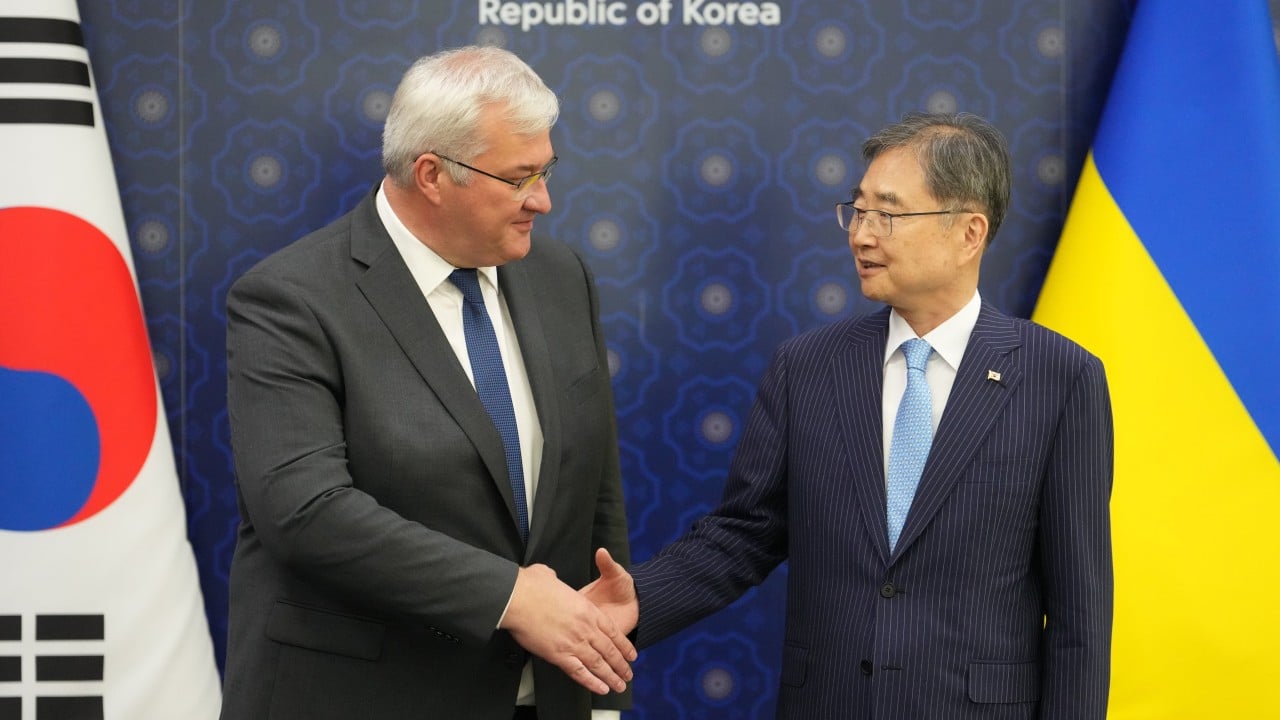
Ukraine’s unresolved decision regarding two North Korean prisoners of war who have said they want to go to South Korea has given Kyiv leverage as it presses Seoul to sell weapons for its war against Russia, observers say. The soldiers, captured in early 2025 after being deployed to Kursk to support Russia’s war effort, are considered South Korean nationals under Seoul’s constitution, which defines the entire Korean peninsula as the country’s territory. Seoul has said it would be willing to...
Narrative Intelligence Brief
This article was published by South China Morning Post, a source frequently categorized with a lean left bias based in Hong Kong. Our narrative intelligence engine continuously monitors coverage from this outlet to track framing, bias, and rhetorical patterns. Our initial algorithmic scan of this specific piece did not flag high-confidence rhetorical techniques, suggesting a generally straightforward reporting style or neutral framing. By understanding the editorial perspective of South China Morning Post, readers can better contextualize the information presented and compare it across our broader media matrix to find the real narrative.
More from South China Morning Post
July 2, 2026
Japan’s detention system under scrutiny after ruling on abuse of restraints
July 2, 2026
The quiet grind behind the wig and gown
July 2, 2026
China’s ethnic unity law is not a tool of transnational repression
July 2, 2026
Residents, visitors flock to waterfront as PLA navy ships sail into Hong Kong
July 2, 2026
Single China mum carries steel tubes to fund education, weeps, hugs daughter who aces gaokao
Analysis Methodology
This narrative analysis was generated using the CoDataLab Global Intelligence Engine. Our proprietary AI scans thousands of cross-border sources to identify sentiment patterns, framing techniques, and potential media bias. While AI provides the data-driven foundation, our objective is to empower readers with additional context beyond the standard headline.The content displayed above is a structured summary designed for rapid information processing. For the full original report, please visit the source outlet.More Coverage
Discussion
"senegal"
Tielemans’ controversial late penalty caps Belgium comeback over Senegal

'Remind me not to make that serious mistake' — does Garcia's charge really explain the Lions' collapse?
/https%3A%2F%2Fsportsmole-media-prod.s3.gra.io.cloud.ovh.net%2Fuploads%2F2025%2F11%2Fimago1067621581-1-6919a6804377e335044086.jpg)
A Finish Deserving Of A Miniseries: 4 Takeaways From Belgium's Win Over Senegal