Today in News History
On June 21, several notable moments in the history of News stand out. In 947, Zhang Li, official of the Liao Dynasty passed away. In 1862, Damrong Rajanubhab, Thai historian and author (died 1943) was born. In 1884, Claude Auchinleck, English field marshal (died 1981) was born. In 1922, Joseph Ki-Zerbo, Burkinabé historian, politician and writer (died 2006) was born. In 1927, Carl Stokes, American lawyer, politician, and diplomat, United States Ambassador to Seychelles (died 1996) was born. In 1935, Françoise Sagan, French author and playwright (died 2004) was born. In 1942, Clive Brooke, Baron Brooke of Alverthorpe, English businessman and politician was born. In 1967, Yingluck Shinawatra, Thai businesswoman and politician, 28th Prime Minister of Thailand was born. In 1967, Theodore Sizer, American professor of the history of art (born 1892) passed away. In 2012, Abid Hussain, Indian economist and diplomat, Indian Ambassador to the United States (born 1926) passed away. Together, these milestones provide historical context for today's news news and ongoing narratives.
How Benin is on the road to reshaping its cotton industry, with China’s help
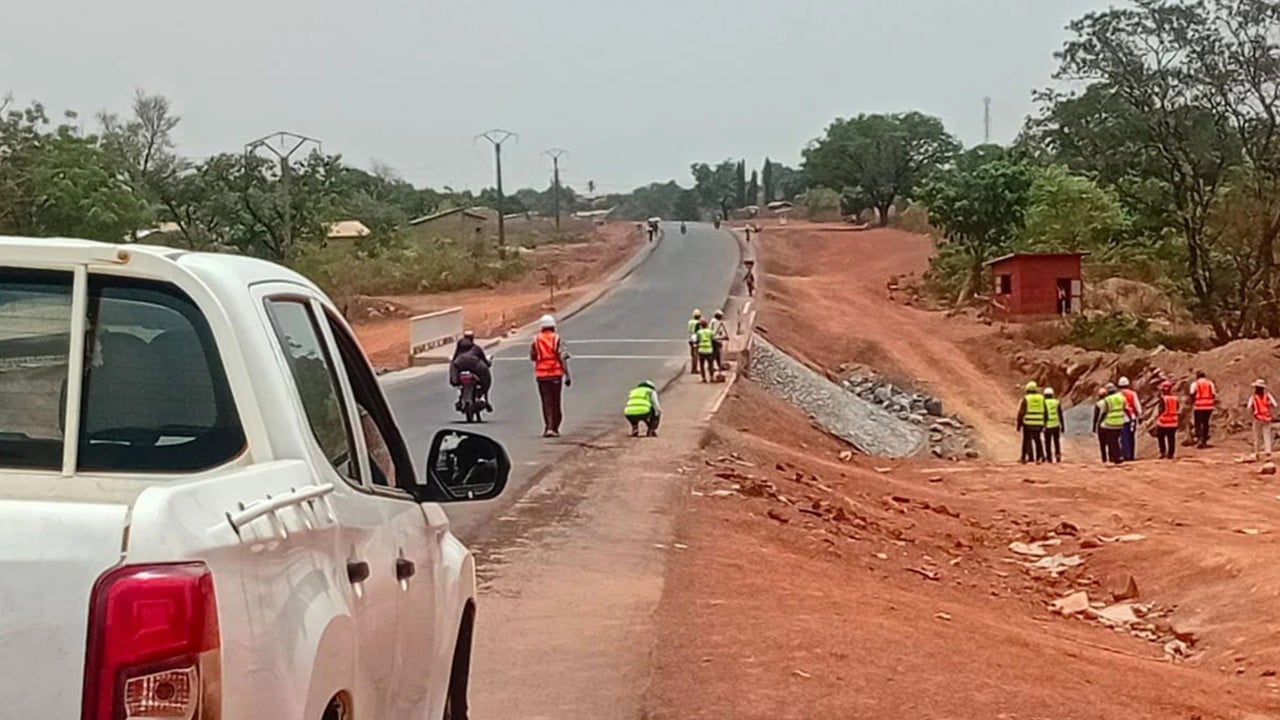
For decades, moving Benin’s cotton harvest from the north of the country to its southern ports was a slow, difficult journey along unpaved roads. Benin is Africa’s largest cotton producer, but it lacked the infrastructure needed to connect its northern cotton-growing belt to the coast and processing plants in the Glo-Djigbé Industrial Zone (GDIZ) near Cotonou, the country’s largest city and economic capital. The GDIZ – part of the government’s efforts to end raw cotton exports – now processes a...
Narrative Intelligence Brief
This article was published by South China Morning Post, a source frequently categorized with a lean left bias based in Hong Kong. Our narrative intelligence engine continuously monitors coverage from this outlet to track framing, bias, and rhetorical patterns. Our initial algorithmic scan of this specific piece did not flag high-confidence rhetorical techniques, suggesting a generally straightforward reporting style or neutral framing. By understanding the editorial perspective of South China Morning Post, readers can better contextualize the information presented and compare it across our broader media matrix to find the real narrative.
More from South China Morning Post
June 21, 2026
China cabby drives against traffic, runs red lights to rush unconscious toddler to hospital
June 21, 2026
US and Iranian negotiators arrive in Swiss restort for latest round of peace talks
June 21, 2026
Hong Kong a ‘strategic adaptation ground’ for mainland Chinese tech giants: Paul Chan
June 21, 2026
Hong Kong considers expanding priority care scheme to better flag high-risk cases
June 21, 2026
Residents in 2 villages can turn houses fully into tourist sites under pilot scheme
Analysis Methodology
This narrative analysis was generated using the CoDataLab Global Intelligence Engine. Our proprietary AI scans thousands of cross-border sources to identify sentiment patterns, framing techniques, and potential media bias. While AI provides the data-driven foundation, our objective is to empower readers with additional context beyond the standard headline.The content displayed above is a structured summary designed for rapid information processing. For the full original report, please visit the source outlet.More Coverage
Discussion
"iran"
Trump in full panic over war restarting – and ‘swearing a lot about it’: insider

Rahm Emanuel says Trump ‘got schooled’ by Iran in bad ceasefire deal

Lawsuit filed on behalf of families of Minab victims against US