Today in News History
On July 3, several notable moments in the history of News stand out. In 896, Dong Chang, Chinese warlord passed away. In 1534, Myeongjong of Joseon, Ruler of Korea (died 1567) was born. In 1767, Pitcairn Island is discovered by Midshipman Robert Pitcairn on an expeditionary voyage commanded by Philip Carteret. In 1888, Nguyễn Đình Chiểu, Vietnamese poet and author (born 1822) passed away. In 1924, S. R. Nathan, 6th President of Singapore (died 2016) was born. In 1965, Komsan Pohkong, Thai lawyer and academic was born. In 1970, The Troubles: The "Falls Curfew" begins in Belfast, Northern Ireland. In 1979, U.S. President Jimmy Carter signs the first directive for secret aid to the opponents of the pro-Soviet regime in Kabul. In 1988, The Fatih Sultan Mehmet Bridge in Istanbul, Turkey is completed, providing the second connection between the continents of Europe and Asia over the Bosphorus. In 1998, Kim Dong-han, South Korean singer was born. Together, these milestones provide historical context for today's news news and ongoing narratives.
Hong Kong to keep T1 until at least 6pm as Tropical Storm Maysak comes closer
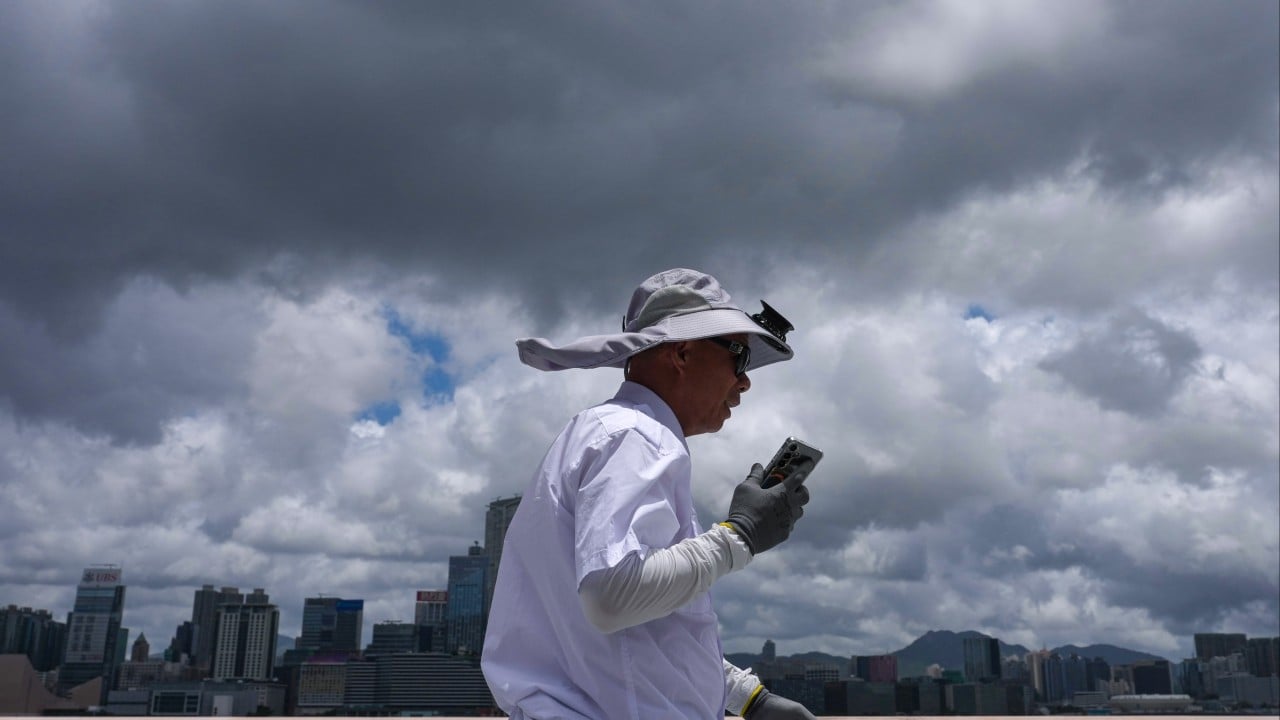
This story has been made freely available as a public service to our readers. Please consider supporting SCMP’s journalism by subscribing. Hong Kong’s weather forecaster will keep the No 1 typhoon signal in force until at least Friday evening, after which it will assess whether to issue the No 3 warning depending on the tropical storm’s intensity. The Hong Kong Observatory said Tropical Storm Maysak was estimated to be about 670km (416 miles) southwest of Hong Kong and was forecast to move...
Narrative Intelligence Brief
This article was published by South China Morning Post, a source frequently categorized with a lean left bias based in Hong Kong. Our narrative intelligence engine continuously monitors coverage from this outlet to track framing, bias, and rhetorical patterns. Our initial algorithmic scan of this specific piece did not flag high-confidence rhetorical techniques, suggesting a generally straightforward reporting style or neutral framing. By understanding the editorial perspective of South China Morning Post, readers can better contextualize the information presented and compare it across our broader media matrix to find the real narrative.
More from South China Morning Post
July 3, 2026
CUHK suspends lawmaker William Wong after drink-driving, hit-and-run arrest
July 3, 2026
Bali, Phuket or Sentosa? Singapore’s grand 20-year resort plan
July 3, 2026
Australia expects to gain extra US$26 billion from exports after Iran war raises prices
July 3, 2026
Japan’s disaster plans fail to keep pace with tourist boom
July 3, 2026
Suicide risk and the danger of Hong Kong’s children not feeling loved
Analysis Methodology
This narrative analysis was generated using the CoDataLab Global Intelligence Engine. Our proprietary AI scans thousands of cross-border sources to identify sentiment patterns, framing techniques, and potential media bias. While AI provides the data-driven foundation, our objective is to empower readers with additional context beyond the standard headline.The content displayed above is a structured summary designed for rapid information processing. For the full original report, please visit the source outlet.More Coverage
Discussion
"cristiano ronaldo"
¡Así festejó Roberto Martínez el penal de Cristiano Ronaldo para el empate de Portugal!

Portugal snatch controversial late World Cup victory over Croatia

Is Cristiano Ronaldo Retiring? Portugal Star Gives Update On Future