
Today in News History
On July 2, several notable moments in the history of News stand out. In 626, Li Jiancheng, Chinese prince (born 589) passed away. In 626, Li Yuanji, Chinese prince (born 603) passed away. In 649, Li Jing, Chinese general (born 571) passed away. In 706, In China, Emperor Zhongzong of Tang inters the bodies of relatives in the Qianling Mausoleum, located on Mount Liang outside Chang'an. In 1924, Chia-ying Yeh, Chinese-born Canadian poet and sinologist (died 2024) was born. In 1929, Imelda Marcos, Filipino politician; 10th First Lady of the Philippines was born. In 1955, Kim Carr, Australian educator and politician, 31st Australian Minister for Human Services was born. In 1988, Lee Chung-yong, South Korean footballer was born. In 1991, Lee Remick, American actress (born 1935) passed away. In 1997, The Bank of Thailand floats the baht, triggering the Asian financial crisis. Together, these milestones provide historical context for today's news news and ongoing narratives.
Hong Kong assets hit record US$5.38 trillion on renewed China appetite: SFC
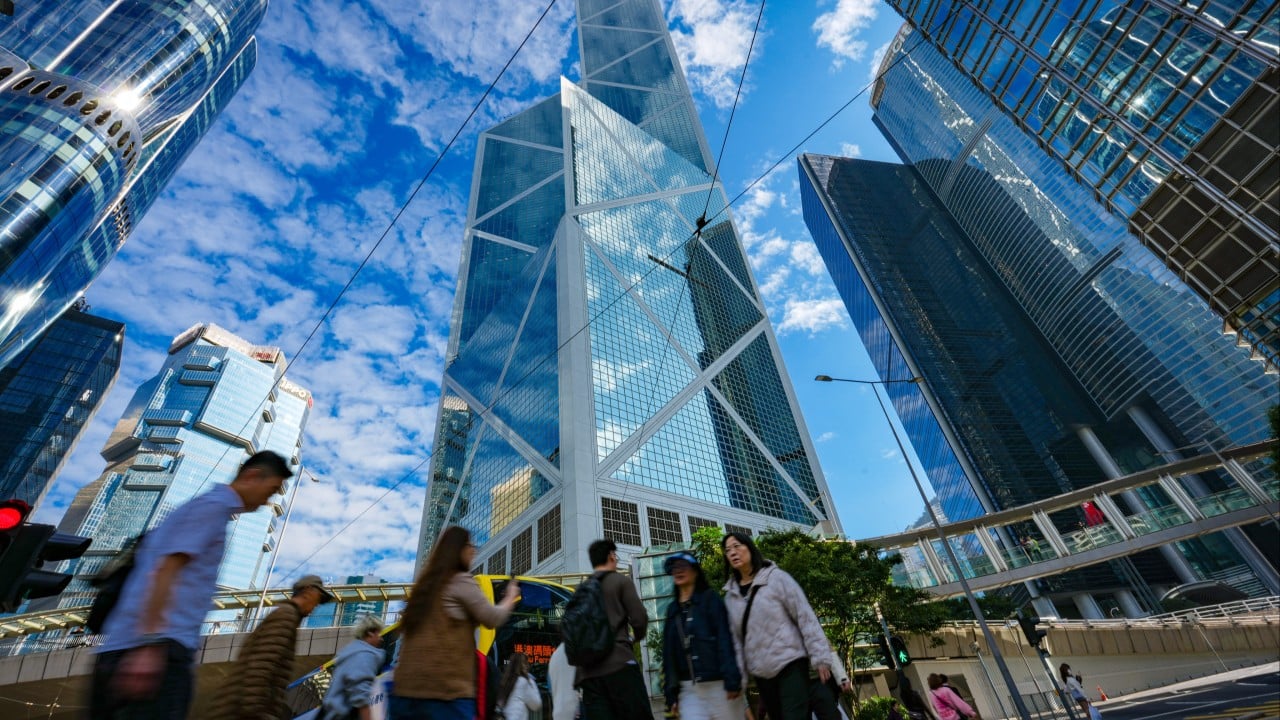
Assets and wealth under management in Hong Kong surged to a record high last year as global investors returned to Chinese assets, underscoring the city’s edge over Switzerland as a wealth hub. Financial firms in Hong Kong managed HK42.2 trillion (US5.38 trillion) worth of assets last year, a 20 per cent increase from the previous peak of HK35.5 trillion in 2024, according to a report released by the Securities and Futures Commission on Thursday. Driven by the asset-management and...
Narrative Intelligence Brief
This article was published by South China Morning Post, a source frequently categorized with a lean left bias based in Hong Kong. Our narrative intelligence engine continuously monitors coverage from this outlet to track framing, bias, and rhetorical patterns. Our initial algorithmic scan of this specific piece did not flag high-confidence rhetorical techniques, suggesting a generally straightforward reporting style or neutral framing. By understanding the editorial perspective of South China Morning Post, readers can better contextualize the information presented and compare it across our broader media matrix to find the real narrative.
More from South China Morning Post
July 2, 2026
China aims to ‘infiltrate’ US-Mexico-Canada trade deal, says American manufacturing group
July 2, 2026
Can Malaysia’s unity government survive a major BN win in state polls?
July 2, 2026
Thailand says photo of Macron kneeling before King Vajiralongkorn is AI-generated
July 2, 2026
Hong Kong enters summer flu season as Covid infections also climb
July 2, 2026
India’s toxic crop waste could fuel global airlines, study finds
Analysis Methodology
This narrative analysis was generated using the CoDataLab Global Intelligence Engine. Our proprietary AI scans thousands of cross-border sources to identify sentiment patterns, framing techniques, and potential media bias. While AI provides the data-driven foundation, our objective is to empower readers with additional context beyond the standard headline.The content displayed above is a structured summary designed for rapid information processing. For the full original report, please visit the source outlet.More Coverage
Discussion
"iran warns"
Iran warns oil tankers to use approved routes in Strait of Hormuz or face a ‘forceful response’
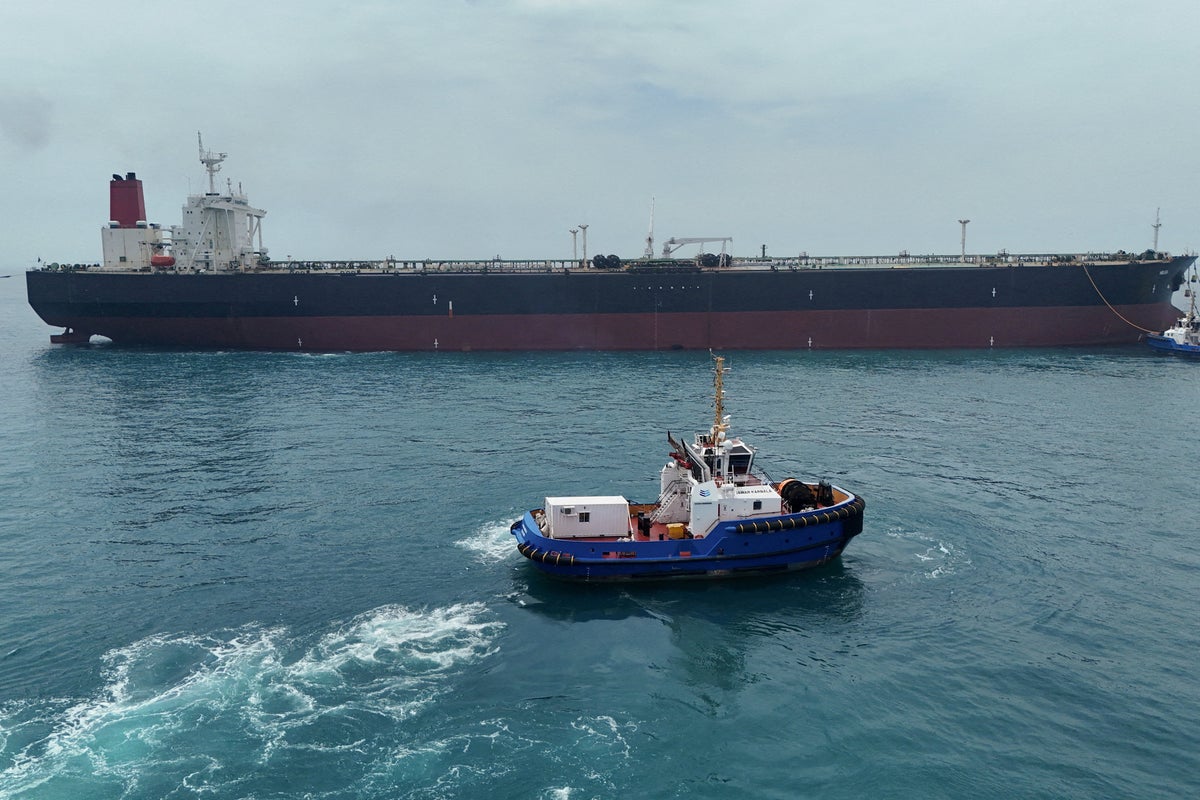
Iran warns oil tankers to use approved routes in Strait of Hormuz or face a 'forceful response'
Iran warns ships to use approved Hormuz routes, or else
