FIFA’s Hydration Breaks Break The Essence Of The Game
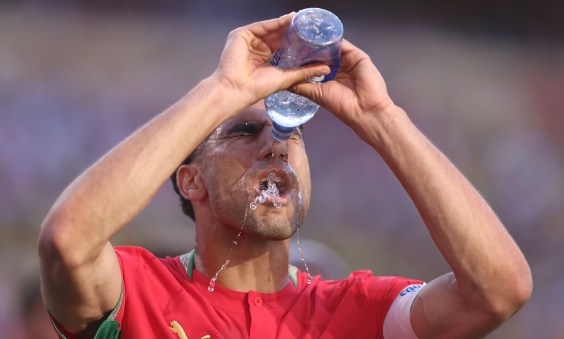
Soccer is all about momentum. The distinguishing aspect of its competitive structure is that it's unsegmented, with a simple, 15-minute halftime bisecting two 45-minute blocks. The neophyte might see a goalless desert stippled with oases distributed seemingly at random and out of nowhere, but the joy of watching soccer is that the shifting sands of the game operate on the invisible logic of momentum. As the 20 field players fight and scrap for every meter of turf, patterns of play emerge, and eventually, things make sense. Until the 2026 World Cup, that is. This World Cup has seen the debut of mandatory three-minute hydration breaks, interspersed at the midpoint of each half, at the 22nd and 67th minutes. While the breaks themselves are not new, their ubiquity is. The new rule was rolled out following last summer's infernal Club World Cup, a dress rehearsal for the real thing played in oven-like conditions that dozens of participants criticized as straight-up unhealthful. In that tournament, referees were deputized to stop matches in order to give everyone water breaks if the weather was too punishing. This time around, every single match will stop twice, whether it's 71 degrees and breezy in Santa Clara or 101 and punishingly humid in Houston. Keeping players safe in extreme temperatures is important, and competitions and organizers must adapt as climate change makes summer sporting events increasingly dangerous. That said, if you think FIFA is doing this for any other reason than to make money, you likely are the sort of person who calls it the FIFA World Cup at every turn and cheers when your favorite brand makes a cool commercial. In practice, the hydration breaks serve as timeouts against which broadcasters can sell ads. I have watched the first week's worth of games on Fox, which cuts away for a long block of commercials every time.
Narrative Intelligence Brief
This article was published by Defector, a source frequently categorized with a center bias based in United States of America. Our narrative intelligence engine continuously monitors coverage from this outlet to track framing, bias, and rhetorical patterns. Our initial algorithmic scan of this specific piece did not flag high-confidence rhetorical techniques, suggesting a generally straightforward reporting style or neutral framing. By understanding the editorial perspective of Defector, readers can better contextualize the information presented and compare it across our broader media matrix to find the real narrative.
More from Defector
Analysis Methodology
This narrative analysis was generated using the CoDataLab Global Intelligence Engine. Our proprietary AI scans thousands of cross-border sources to identify sentiment patterns, framing techniques, and potential media bias. While AI provides the data-driven foundation, our objective is to empower readers with additional context beyond the standard headline.The content displayed above is a structured summary designed for rapid information processing. For the full original report, please visit the source outlet.More Coverage
Discussion
"trump"
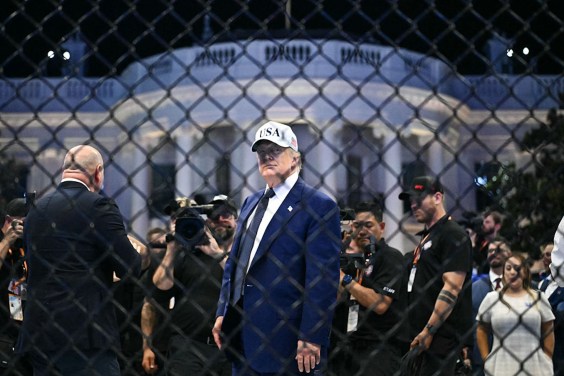
Trump’s UFC Spectacle Shocks With Vile Michelle Obama Slur

UFC’s White House Fight Night May Have Been An Unforgivable Folly, But At Least It Was Violent And Offensive
Variety: Deceased ALF Star’s Family Remembers Her 'Burning Hatred for Trump'