Today in News History
On June 22, several notable moments in the history of News stand out. In 1805, Giuseppe Mazzini, Italian journalist and politician (died 1872). was born. In 1856, Henry Rider Haggard, English novelist (died 1925). was born. In 1873, Filippo Silvestri, Italian entomologist and academic (died 1949) was born. In 1894, Bernard Ashmole, English archaeologist and art historian (died 1988) was born. In 1897, Edmund A. Chester, American journalist and broadcaster (died 1973) was born. In 1918, Cicely Saunders, English nurse, social worker, physician and writer (died 2005) was born. In 1946, Sheila Hollins, Baroness Hollins, English psychiatrist and academic was born. In 1955, Christine Orengo, British academic and educator was born. In 1956, Walter de la Mare, English poet, short story writer and novelist (born 1873) passed away. In 1969, The Cuyahoga River catches fire in Cleveland, Ohio, drawing national attention to water pollution, and spurring the passing of the Clean Water Act and the creation of the Environmental Protection Agency. Together, these milestones provide historical context for today's news news and ongoing narratives.
‘Emotional and horrific’: volunteers ‘live’ as Somerset animals to study wildlife risks
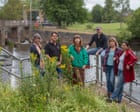
People trained to experience world as otters, salmon and other River Tone creatures for pioneering researchWhat does a kestrel make of the dog sniffing in the long grass below? Why does an exhausted salmon pause before a weir? How will an otter experience the rumble of a passing train?Eighteen people have spent six weeks swimming, slithering and soaring as otters, salmon, earthworms, red deer and kestrels in an attempt to better document the risks for wild animals in our human-dominated landscape. Continue reading...
Narrative Intelligence Brief
This article was published by Animals | The Guardian, a source frequently categorized with a lean left bias based in United Kingdom. Our narrative intelligence engine continuously monitors coverage from this outlet to track framing, bias, and rhetorical patterns. Our initial algorithmic scan of this specific piece did not flag high-confidence rhetorical techniques, suggesting a generally straightforward reporting style or neutral framing. By understanding the editorial perspective of Animals | The Guardian, readers can better contextualize the information presented and compare it across our broader media matrix to find the real narrative.
More from Animals | The Guardian
June 22, 2026
‘Emotional and horrific’: volunteers ‘live’ as Somerset animals to study wildlife risks
June 22, 2026
‘Emotional and horrific’: volunteers ‘live’ as Somerset animals to study wildlife risks
June 22, 2026
World Cup 2026: Cape Verde’s story continues; L’Équipe apologises to Doku over ‘disgusting’ comments – live
June 22, 2026
If we can’t keep rats out of Britain’s jails, we shouldn’t be putting children in them | Zoe Williams
June 22, 2026
WSL and WSL2 fans can drink alcohol in stands next season after successful trial
Analysis Methodology
This narrative analysis was generated using the CoDataLab Global Intelligence Engine. Our proprietary AI scans thousands of cross-border sources to identify sentiment patterns, framing techniques, and potential media bias. While AI provides the data-driven foundation, our objective is to empower readers with additional context beyond the standard headline.The content displayed above is a structured summary designed for rapid information processing. For the full original report, please visit the source outlet.More Coverage
Discussion
"cup"
My boss won’t let me work from home the day after World Cup games – I’m furious

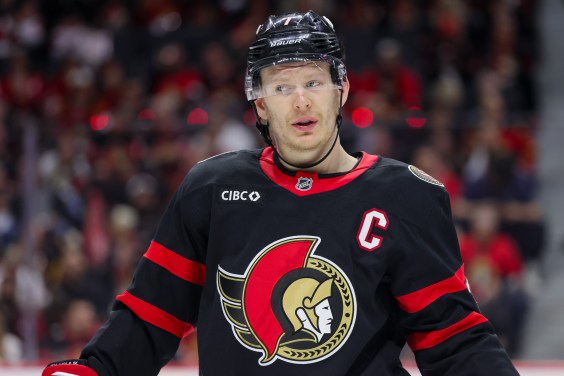
Everyone’s Mad About Brady Tkachuk Going To Florida
AG Blanche says World Cup shooting suspect may be dead, as police remain vigilant