
Today in News History
On June 23, several notable moments in the history of News stand out. In 1716, Fletcher Norton, 1st Baron Grantley, English lawyer and politician, Solicitor General for England and Wales (died 1789) was born. In 1770, Mark Akenside, English poet and physician (born 1721) passed away. In 1799, John Milton Bernhisel, American physician and politician (died 1881) was born. In 1894, Alfred Kinsey, American entomologist and sexologist (died 1956) was born. In 1926, Lawson Soulsby, Baron Soulsby of Swaffham Prior, English microbiologist and parasitologist (died 2017) was born. In 1927, John Habgood, Baron Habgood, English archbishop (died 2019) was born. In 1930, Francis Newall, 2nd Baron Newall, English businessman and politician was born. In 1948, Clarence Thomas, American lawyer and jurist, Associate Justice of the Supreme Court of the United States was born. In 1954, Salih Omurtak, Turkish general (born 1889) passed away. In 1955, Pierre Corbeil, Canadian dentist and politician was born. Together, these milestones provide historical context for today's news news and ongoing narratives.
Doctor names two foods that could beat oats at lowering 'bad' cholesterol
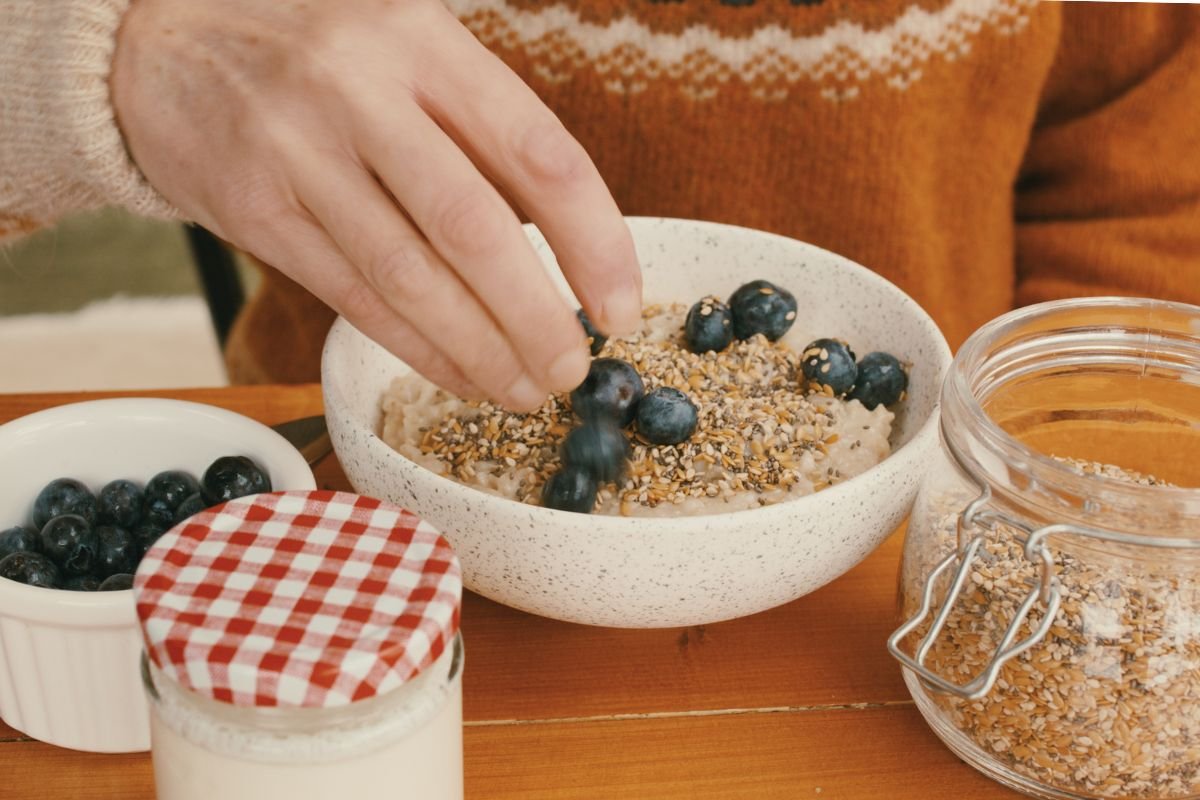
Around half of UK adults are believed to have high cholesterol, a potentially life-threatening condition in which fatty deposits accumulate in the arteries and are thought to contribute to roughly one in five heart disease deaths annually.And while certain foods are known to help draw it out of the digestive system, oats are frequently cited as one of the most effective options. But they have competition. Health expert and physician Doctor Naheed Ali, MD, PhD, told GB News that lowering LDL - or 'bad' cholesterol - isn't simply about finding a single superfood - it's about building consistent habits around foods that support better cholesterol management and reduce inflammation.He specifically points to legumes and flaxseed as two foods that could outperform oatmeal in reducing LDL, given their impressive nutritional profiles. TRENDING Stories Videos Your Say Legumes provide soluble fibre and plant compounds that help bring cholesterol levels down, while ground flaxseed offers a combination of fibre, omega-3 fatty acids and lignans that Dr Ali considered particularly valuable for heart health.When it comes to protein, he recommends swapping animal sources for soy-based alternatives such as edamame, tofu and tempeh, noting that research shows soy protein has a small but measurable cholesterol-lowering effect.Replacing a beef-based meal with lentils or black beans, he added, tends to deliver greater long-term benefit than most people would expect.Dr Ali also highlighted two underused snack options. Roasted chickpeas provide fibre and plant protein, without the saturated fat. Walnuts are rich in beneficial fats and have been studied for their positive effects on cholesterol profiles.LATEST DEVELOPMENTSType 1 diabetes drug that can delay diagnosis by YEARS approved for NHS patientsFive million NHS 'ghost' patients expose GP system 'stuck in a bygone age'Type 2 diabetes warning as scientists say the type of fat you eat may be driving your riskHis broader advice to patients is to focus on incorporating fibre-rich plants, legumes, nuts and seeds into everyday eating, which can lead to meaningul reductions in cholesterol levels over time, without people feeling they've had to give anything up.Oats, barley and apples all make excellent sources of soluble fibre, often referred to as viscous or sticky fibre. Once in the digestive tract, the fibre dissolves and forms a gel-like substance that binds to cholesterol-rich bile acids and prevents them from entering the bloodstream. Research published in Current Atherosclerosis Reports suggests soluble fibre can cut LDL cholesterol by between five and ten per cent, with a daily intake of five to 10 grams or more associated with a meaningfully lower risk of coronary heart disease.It's worth bearing in mind that replacing meat with plant-based protein may reduce your intake of iron, zinc, and vitamin B12 - but these nutrients can be replenished through fortified cereals, beans, chickpeas, soy products and lentils. It's also worth noting that dramatically upping fibre intake in a short space of time can cause digestive discomfort, so it's best to build up fibre consumption gradually and stay well hydrated to help the body adjust. Our Standards: The GB News Editorial Charter
Narrative Intelligence Brief
This article was published by GB News, a source frequently categorized with a lean right bias based in United States of America. Our narrative intelligence engine continuously monitors coverage from this outlet to track framing, bias, and rhetorical patterns. Our initial algorithmic scan of this specific piece did not flag high-confidence rhetorical techniques, suggesting a generally straightforward reporting style or neutral framing. By understanding the editorial perspective of GB News, readers can better contextualize the information presented and compare it across our broader media matrix to find the real narrative.
More from GB News
June 23, 2026
France shuts down nuclear reactor over fears 46C heatwave could cause disaster
June 23, 2026
HMRC reveals record number of families now using tax trick worth up to £2,000 a year
June 23, 2026
Prince William's Earthshot Prize makes major announcements at London Climate Action Week
June 23, 2026
Nigel Farage branded ‘hypocrite’ over Andy Burnham demand
June 23, 2026
Lightning and thunder batter Britain overnight ahead of 'extreme' heat weather warning
Analysis Methodology
This narrative analysis was generated using the CoDataLab Global Intelligence Engine. Our proprietary AI scans thousands of cross-border sources to identify sentiment patterns, framing techniques, and potential media bias. While AI provides the data-driven foundation, our objective is to empower readers with additional context beyond the standard headline.The content displayed above is a structured summary designed for rapid information processing. For the full original report, please visit the source outlet.More Coverage
Discussion
"cup"
DHS’ bizarre post about the U.S. men’s World Cup advancement got it all wrong

Jeremy Doku’s Belgium World Cup return date confirmed as presenter apologises for "completely useless" comment
/https%3A%2F%2Fsportsmole-media-prod.s3.gra.io.cloud.ovh.net%2Fuploads%2F2026%2F06%2Faaa-jd-6a3a27296adb3055463402.jpg)
Granddaughter spent $6,000 on 89-year-old grandpa’s dream to watch World Cup match; he was left outside in tears
