Today in News History
On June 27, several notable moments in the history of News stand out. In 1943, Ravi Batra, Indian-American economist and academic was born. In 1953, Igor Gräzin, Estonian academic and politician was born. In 1980, The 'Ustica massacre': Itavia Flight 870 crashes in the sea while en route from Bologna to Palermo, Italy, killing all 81 on board. In 1985, Svetlana Kuznetsova, Russian tennis player was born. In 1988, The Gare de Lyon rail accident in Paris, France, kills 56 people. In 1988, Villa Tunari massacre: Bolivian anti-narcotics police kill nine to 12 and injure over a hundred protesting coca-growing peasants. In 1989, A. J. Ayer, English philosopher and academic (born 1910) passed away. In 2007, The Brazilian Military Police invades the favelas of Complexo do Alemão in an episode which is remembered as the Complexo do Alemão massacre. In 2014, At least fourteen people are killed when a Gas Authority of India Limited pipeline explodes in the East Godavari district of Andhra Pradesh, India. In 2015, Zvi Elpeleg, Polish-Israeli diplomat, author, and academic (born 1926) passed away. Together, these milestones provide historical context for today's news news and ongoing narratives.
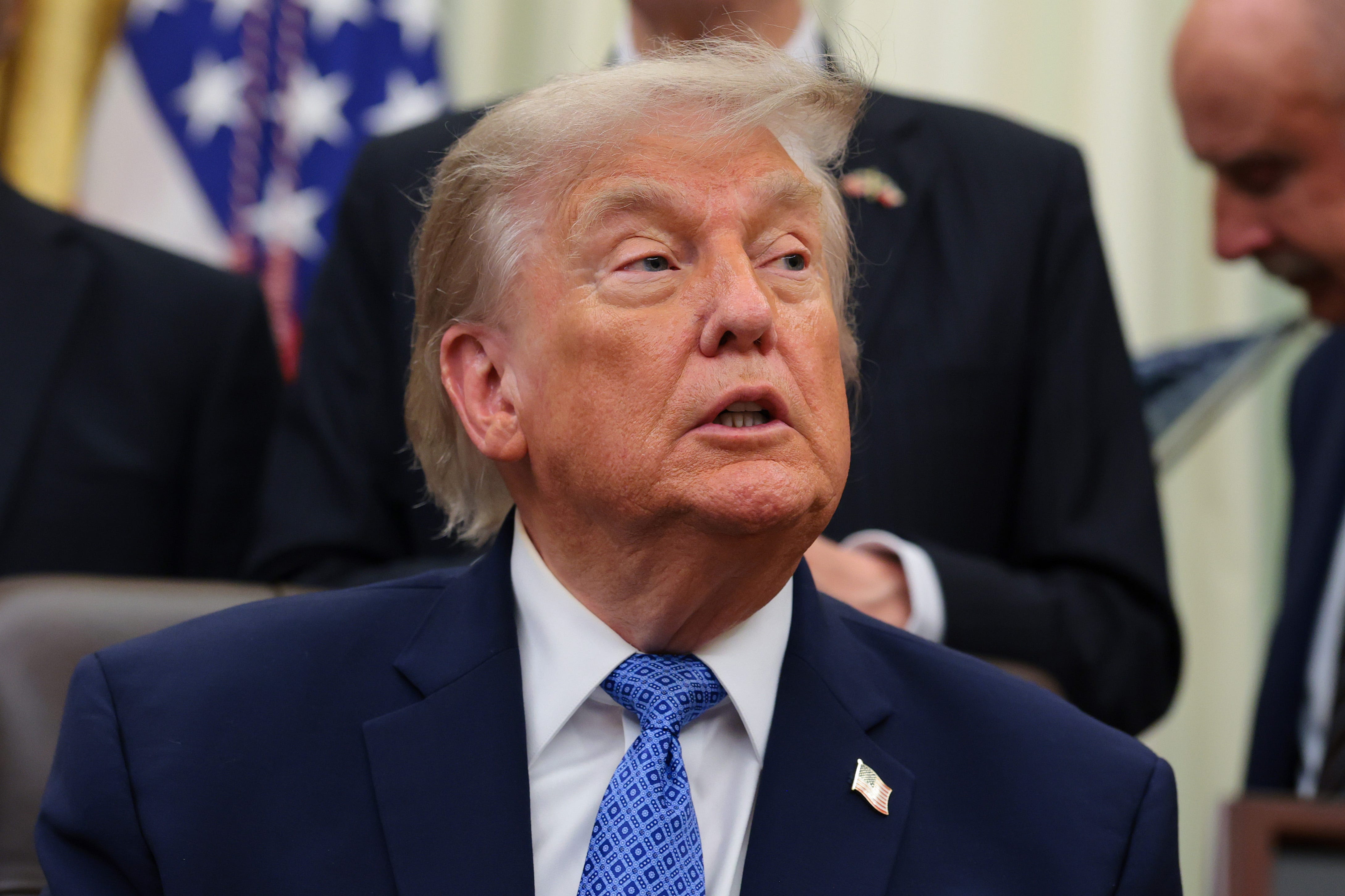
An analyst’s missed remark surfaced in deadly Iran school strike probe

An analyst's missed remarks and U.S. intelligence systems that weren't connected to one another are among the missteps that led to an airstrike on an Iranian school.
Narrative Intelligence Brief
This article was published by The Japan Times, a source frequently categorized with a center bias based in Japan. Our narrative intelligence engine continuously monitors coverage from this outlet to track framing, bias, and rhetorical patterns. Our initial algorithmic scan of this specific piece did not flag high-confidence rhetorical techniques, suggesting a generally straightforward reporting style or neutral framing. By understanding the editorial perspective of The Japan Times, readers can better contextualize the information presented and compare it across our broader media matrix to find the real narrative.
More from The Japan Times
June 27, 2026
Senior LDP lawmaker and South Korean president agree to work on boosting ties
June 27, 2026
Brazil’s Rayan cramming for Japan test in World Cup knockout stage
June 27, 2026
KHI and Airbus eye cooperation on Japanese variant of Eurodrone
June 27, 2026
Anthropic’s Mythos 5 AI model cleared by U.S. for wider use
June 27, 2026
Germany could revive conscription by mid-2027, senior lawmaker says
Analysis Methodology
This narrative analysis was generated using the CoDataLab Global Intelligence Engine. Our proprietary AI scans thousands of cross-border sources to identify sentiment patterns, framing techniques, and potential media bias. While AI provides the data-driven foundation, our objective is to empower readers with additional context beyond the standard headline.The content displayed above is a structured summary designed for rapid information processing. For the full original report, please visit the source outlet.More Coverage
Discussion
"iran"
New U.S. Iran Strikes Show Trump Has Started a ‘Forever War,’ Exasperated Official Says
An analyst’s missed remark surfaced in deadly Iran school strike probe
Trump’s critics are wrong: The vision behind his Iran deal