Today in News History
On June 18, several notable moments in the history of News stand out. In 1916, Max Immelmann, German lieutenant and pilot (born 1890) passed away. In 1918, Alf Francis, West Prussia-born, English motor racing mechanic and race car constructor (died 1983) was born. In 1946, Dr. Ram Manohar Lohia, a Socialist, calls for a Direct Action Day against the Portuguese in Goa. In 1962, Lisa Randall, American physicist and academic was born. In 1974, Sergey Sharikov, Russian fencer and coach (died 2015) was born. In 1989, I. F. Stone, American journalist and author (born 1907) passed away. In 2009, The Lunar Reconnaissance Orbiter (LRO), a NASA robotic spacecraft is launched. In 2013, Brent F. Anderson, American engineer and politician (born 1932) passed away. In 2013, David Wall, English ballet dancer (born 1946) passed away. In 2023, Titan, a submersible operated by OceanGate Expeditions, imploded while attempting to view the wreck of the Titanic, killing all five people on board including the co-founder and CEO of the company, Stockton Rush in the North Atlantic Ocean. Together, these milestones provide historical context for today's news news and ongoing narratives.
AI Needs Guardrails — the NO FAKES Act Can Create Them: Guest Post by Lyor Cohen and Harvey Mason Jr.

The “NO FAKES” Act of 2026 (“Nurture Originals, Foster Art, and Keep Entertainment Safe”) would establish an intellectual property right by which individuals could authorize or block digital replicas of their voice and likeness. The Senate Judiciary Committee is scheduled to vote on whether to advance the bill today — June 18, 2026. In the []
Narrative Intelligence Brief
This article was published by Variety, a source frequently categorized with a lean left bias based in United States of America. Our narrative intelligence engine continuously monitors coverage from this outlet to track framing, bias, and rhetorical patterns. Our initial algorithmic scan of this specific piece did not flag high-confidence rhetorical techniques, suggesting a generally straightforward reporting style or neutral framing. By understanding the editorial perspective of Variety, readers can better contextualize the information presented and compare it across our broader media matrix to find the real narrative.
More from Variety
June 18, 2026
Panjaya.ai, Shortical Partner on AI Dubbing for Microdramas in Six Languages
June 18, 2026
Khruangbin and Alok Star in ‘The Art of Sound,’ a Video Series on the Body’s Reactions to Sound
June 18, 2026
‘Colors of White Rock’ Review: Vivid Documentary Portrait of a Trucker Traveling Mongolia’s Desert of Broken Dreams
June 18, 2026
Betches Sets First Scripted Long-Form Comedy Series, ‘Sisters’
June 18, 2026
‘Brothers’ First Look: Matthew McConaughey and Woody Harrelson Reunite After ‘True Detective’ as Apple TV Comedy Sets September Release
Analysis Methodology
This narrative analysis was generated using the CoDataLab Global Intelligence Engine. Our proprietary AI scans thousands of cross-border sources to identify sentiment patterns, framing techniques, and potential media bias. While AI provides the data-driven foundation, our objective is to empower readers with additional context beyond the standard headline.The content displayed above is a structured summary designed for rapid information processing. For the full original report, please visit the source outlet.More Coverage
Discussion
"iran"
The Text of Trump’s Iran Deal Is Out. It’s Worse Than I Thought.
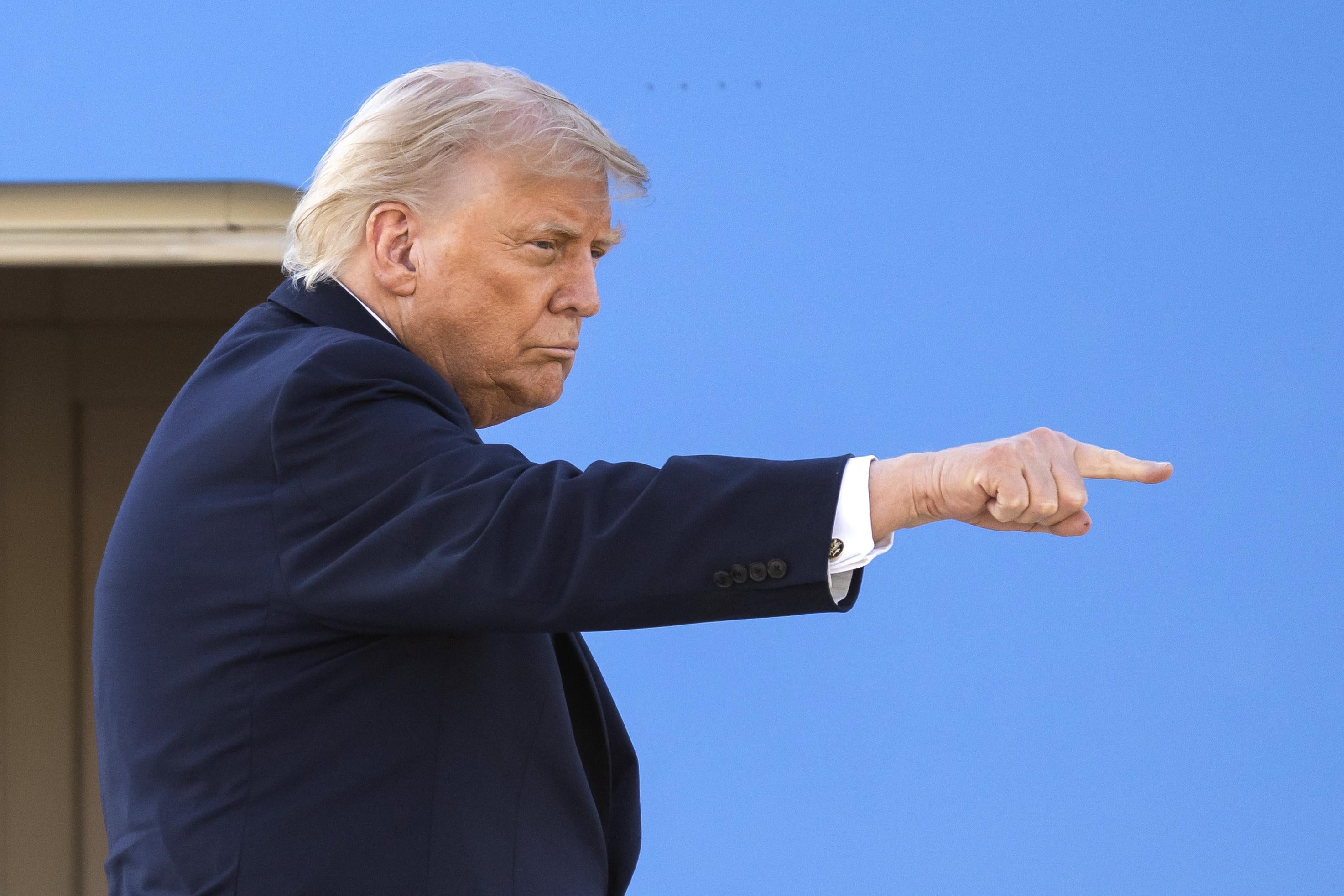
Trump scolds Netanyahu at G7 summit: ‘I feel bad for Lebanon'

Vance’s scandalous excuse for not showing the Iran deal to the people