Today in News History
On June 20, several notable moments in the history of News stand out. In 1180, First Battle of Uji, starting the Genpei War in Japan. In 1926, Rehavam Ze'evi, Israeli general and politician, 9th Israeli Minister of Tourism (died 2001) was born. In 1927, Simin Behbahani, Iranian poet and activist (died 2014) was born. In 1943, World War II: The Royal Air Force launches Operation Bellicose, the first shuttle bombing raid of the war. Avro Lancaster bombers damage the V-2 rocket production facilities at the Zeppelin Works while en route to an air base in Algeria. In 1944, World War II: During the Continuation War, the Soviet Union demands unconditional surrender from Finland during the beginning of partially successful Vyborg-Petrozavodsk Offensive. The Finnish government refuses. In 1963, Following the Cuban Missile Crisis, the Soviet Union and the United States sign an agreement to establish the so-called "red telephone" link between Washington, D.C., and Moscow. In 1982, The International Conference on the Holocaust and Genocide opens in Tel Aviv, despite attempts by the Turkish government to cancel it, as it included presentations on the Armenian genocide. In 1990, The 7.4 Mw Manjil-Rudbar earthquake affects northern Iran with a maximum Mercalli intensity of X (Extreme), killing 35,000-50,000, and injuring 60,000-105,000. In 1994, The 1994 Imam Reza shrine bomb explosion in Iran leaves at least 25 dead and 70 to 300 injured. In 2019, Iran's Air Defense Forces shoot down an American surveillance drone over the Strait of Hormuz amid rising tensions between the two countries. Together, these milestones provide historical context for today's news news and ongoing narratives.
10 sobering lessons the war on Iran forced into the open
Narrative Analysis: Name Calling

TEHRAN — Just four months ago, American and Israeli officials and pundits spoke about Iran as if it were a brittle structure waiting to collapse under enough force. They imagined that strikes, assassinations, sanctions, blockades and psychological pressure would force Tehran into surrender. Instead, the war produced the opposite result.
Narrative Intelligence Brief
This article was published by Tehran Times, a source frequently categorized with a lean right bias based in Iran. Our narrative intelligence engine continuously monitors coverage from this outlet to track framing, bias, and rhetorical patterns. In this specific piece, our systems detected the potential use of the "Name Calling" technique. This narrative approach is often used to shape reader perception by highlighting specific emotional or rhetorical angles. By understanding the editorial perspective of Tehran Times, readers can better contextualize the information presented and compare it across our broader media matrix to find the real narrative.
More from Tehran Times
Reliability Insights
P
Technique: Name Calling
System analysis detected use of specific narrative techniques in this piece.Analysis Methodology
This narrative analysis was generated using the CoDataLab Global Intelligence Engine. Our proprietary AI scans thousands of cross-border sources to identify sentiment patterns, framing techniques, and potential media bias. While AI provides the data-driven foundation, our objective is to empower readers with additional context beyond the standard headline.The content displayed above is a structured summary designed for rapid information processing. For the full original report, please visit the source outlet.More Coverage
Discussion
"cup"
Cold War Steve on … the arrival of the World Cup superheroes

Cape Verde’s Roberto Lopes was working at a bank when he was recruited on LinkedIn to play soccer—he thought it was spam, now he’s at the World Cup

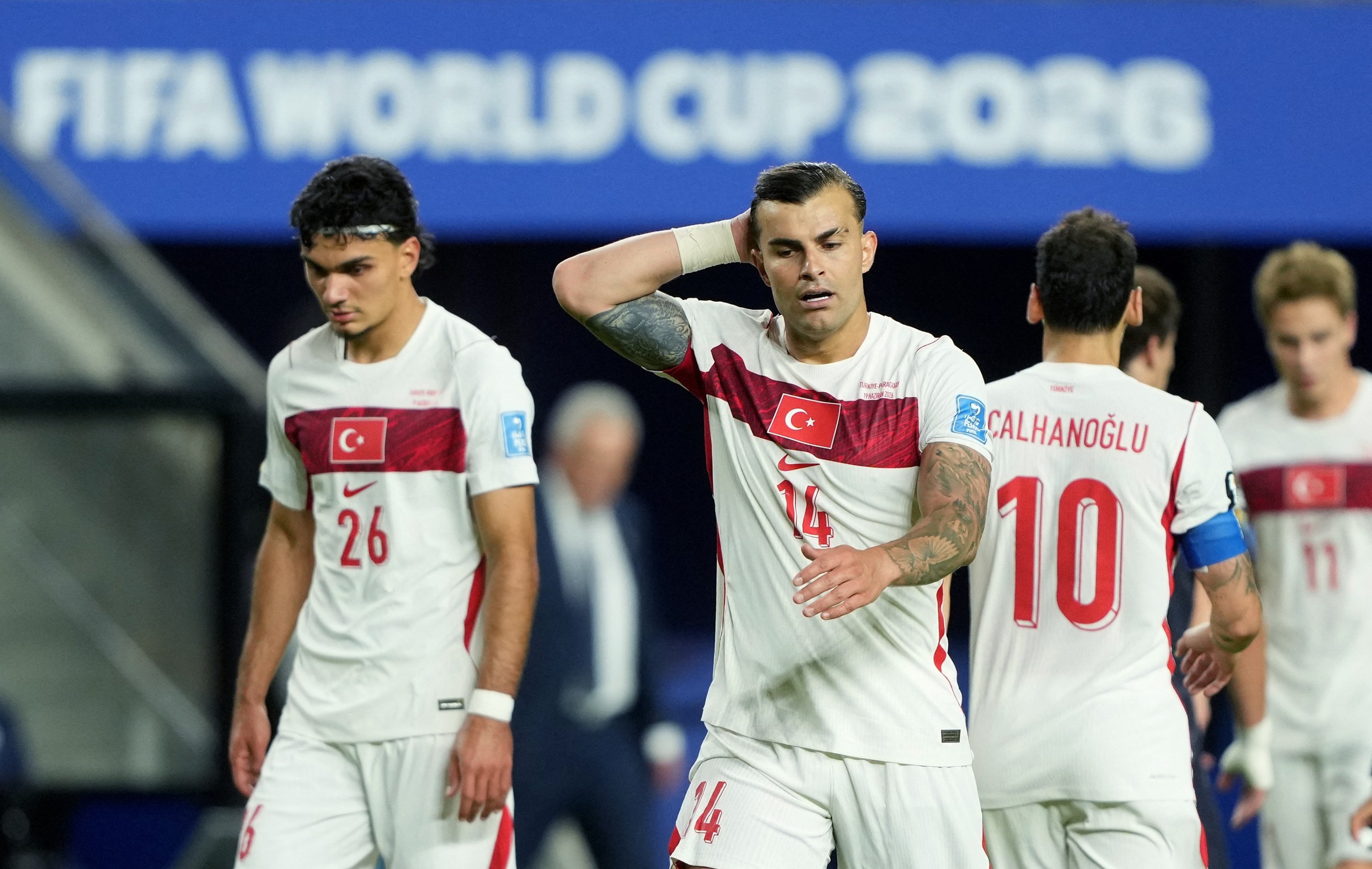
Türkiye eliminated from World Cup after 1-0 loss to Paraguay