African Atlantic Gas Pipeline Enters a New Phase of Regional Integration
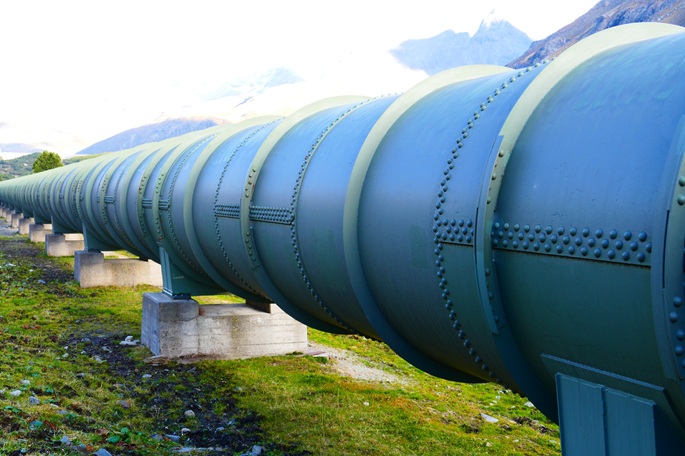
The Nigeria–Morocco African Atlantic Gas Pipeline (AAGP) reached a significant milestone last Sunday, 19th of July 2026, when the Heads of State and Government of the Economic Community of West African States (ECOWAS) signed the Intergovernmental Agreement (IGA) governing the project's development during the 69th Ordinary Summit of ECOWAS in Freetown, Sierra Leone. The agreement reflects the collective commitment of ECOWAS Member States to advance one of Africa's largest cross-border energy infrastructure projects. The initiative was launched by King Mohammed VI of Morocco and the late President Muhammadu Buhari of Nigeria, and continues to receive the support of the President of the Federal Republic of Nigeria, H.E. Bola Ahmed Tinubu. The project has gradually evolved from a bilateral initiative into a broader regional undertaking aimed at strengthening energy cooperation and economic integration across West Africa. Jointly developed by Morocco's National Office of Hydrocarbons and Mines (ONHYM) and the Nigerian National Petroleum Company Limited (NNPC Ltd.), the pipeline is expected to extend nearly 6,800 kilometres along Africa's Atlantic coast, crossing 13 West African countries before connecting to the Maghreb-Europe Gas Pipeline in northern Morocco and, ultimately, to the European gas network. With an estimated annual transport capacity of 30 billion cubic metres of natural gas, the pipeline is intended to improve access to energy, support electricity generation, encourage industrial development, and facilitate regional trade and investment. Estimated at approximately US25 billion, the African Atlantic Gas Pipeline ranks among the continent's most ambitious infrastructure projects. Beyond its energy dimension, it is expected to contribute to the creation of a regional gas market, enhance connectivity between participating countries, and support broader objectives of economic diversification and sustainable development. The initiative also illustrates the increasing role of large-scale infrastructure in advancing regional integration under the framework of the African Continental Free Trade Area (AfCFTA) and Africa's long-term development agenda. The signing of the Intergovernmental Agreement marks the beginning of a new implementation phase. The next steps include the establishment of the Project Company, to be headquartered in Casablanca, and the Pipeline Higher Authority, the project's governance body, to be based in Abuja. These institutional arrangements will be followed by investor mobilization and preparations for the Final Investment Decision (FID), a key milestone before construction can commence. The legal framework will also be completed through the signature of a complementary agreement between the Kingdom of Morocco and the Islamic Republic of Mauritania. On the margins of the ECOWAS Summit, several African leaders and ministers welcomed the agreement, highlighting its expected contribution to regional energy security, infrastructure development, and economic growth. Officials from The Gambia, Togo, Ghana, Liberia, and Sierra Leone emphasized the project's potential to improve regional connectivity, facilitate access to energy, particularly for landlocked Sahel countries, and promote industrialization across West Africa. According to ONHYM and NNPC Ltd., the project's principal engineering, technical, environmental, and route studies have now been completed, allowing preparations to move progressively toward the operational phase. The Freetown agreement therefore represents an important institutional milestone for a project that has steadily gained regional support over the past decade. It also reflects the continuity of the vision promoted by King Mohammed VI, which places regional connectivity, South-South cooperation, and African integration at the center of Morocco's engagement on the continent. As implementation progresses, the African Atlantic Gas Pipeline is expected to become a key component of Africa's evolving energy architecture and an important driver of regional economic integration. Links: https://www.ecofinagency.com/news-industry/2107-57570-ecowas-approves-nigeria-morocco-gas-pipeline-as-funding-gap-persists https://www.atalayar.com/en/articulo/politics/the-driving-force-behind-african-industrialisation-ecowas-diplomacy-unanimously-backs-the-energy-mega-project/20260720114252227837.html https://www.theeastafrican.co.ke/tea/business-tech/africa-gas-pipeline-takes-shape-5533118 https://panafricanvisions.com/2026/07/sierra-leone-signs-landmark-african-atlantic-gas-pipeline-agreement-at-ecowas-summit/