Today in News History
On July 10, several notable moments in the history of News stand out. In 645, Isshi Incident: Prince Naka-no-Ōe and Fujiwara no Kamatari assassinate Soga no Iruka during a coup d'état at the imperial palace. In 1924, Paavo Nurmi wins the 1,500 m and 5,000 m events at the Paris Olympics, with just an hour between the two races. In 1933, C.K. Yang, Taiwanese decathlete and pole vaulter (died 2007) was born. In 1985, An Aeroflot Tupolev Tu-154 stalls and crashes near Uchkuduk, Uzbekistan (then part of the Soviet Union), killing all 200 people on board in the USSR's worst-ever airline disaster. In 1991, Daishōmaru Shōgo, Japanese sumo wrestler was born. In 2000, EADS, the world's second-largest aerospace group is formed by the merger of Aérospatiale-Matra, DASA, and CASA. In 2000, Vakkom Majeed, Indian journalist and politician (born 1909) passed away. In 2011, Amid widespread backlash to revelations of phone hacking, the British weekly tabloid newspaper News of the World publishes its final issue and shuts down after nearly 168 years in print. In 2018, Tham Luang cave rescue: A group of Thai school children and their football coach are all rescued from a cave after being stuck there for 18 days; one Thai Navy SEAL diver dies during the rescue mission. In 2024, Moo Deng, Thai celebrity pygmy hippopotamus was born. Together, these milestones provide historical context for today's news news and ongoing narratives.
Yungblud Pulls Out of Festival Performance After Recent ‘Breakdown’
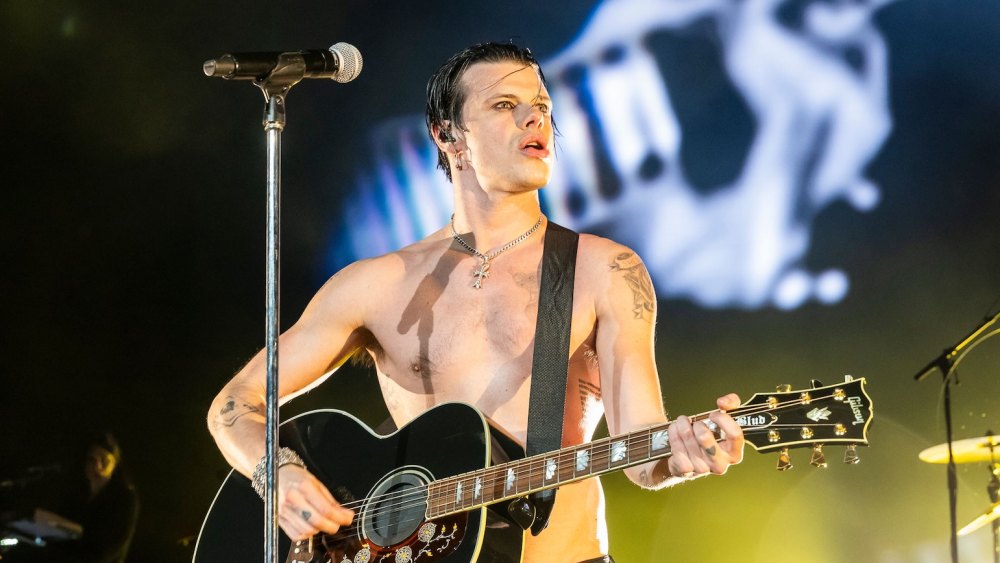
Yungblud pulled out of an upcoming Canadian music festival after crying during a stage performance earlier this month. “To all my family in Canada I apologise for not being there with you all this weekend — I’m currently in a place where I’m working on myself and taking time off at home in the UK,” []
Narrative Intelligence Brief
This article was published by Us Weekly, a source frequently categorized with a center bias based in United States of America. Our narrative intelligence engine continuously monitors coverage from this outlet to track framing, bias, and rhetorical patterns. Our initial algorithmic scan of this specific piece did not flag high-confidence rhetorical techniques, suggesting a generally straightforward reporting style or neutral framing. By understanding the editorial perspective of Us Weekly, readers can better contextualize the information presented and compare it across our broader media matrix to find the real narrative.
More from Us Weekly
July 9, 2026
Jessica Alba and Danny Ramirez's Complete Relationship Timeline
July 9, 2026
Ice Spice Shows Off 'Biggest Tongue Ring in the World' Worth $50K
July 9, 2026
Can't Sleep? These 2-In-1 Gummies Help Your Body Relax and Unwind
July 9, 2026
Charlie Sheen to Pay Ex-Wife Brooke Mueller $500K in Child Support
July 9, 2026
Kyle Juszczyk Jokes About NDAs at Travis Kelce and Taylor Swift's Wedding