
0
You’re about to see a lot more alcohol on TikTok—and there’s a reason
April 28, 2026
Posted 4 hours ago by
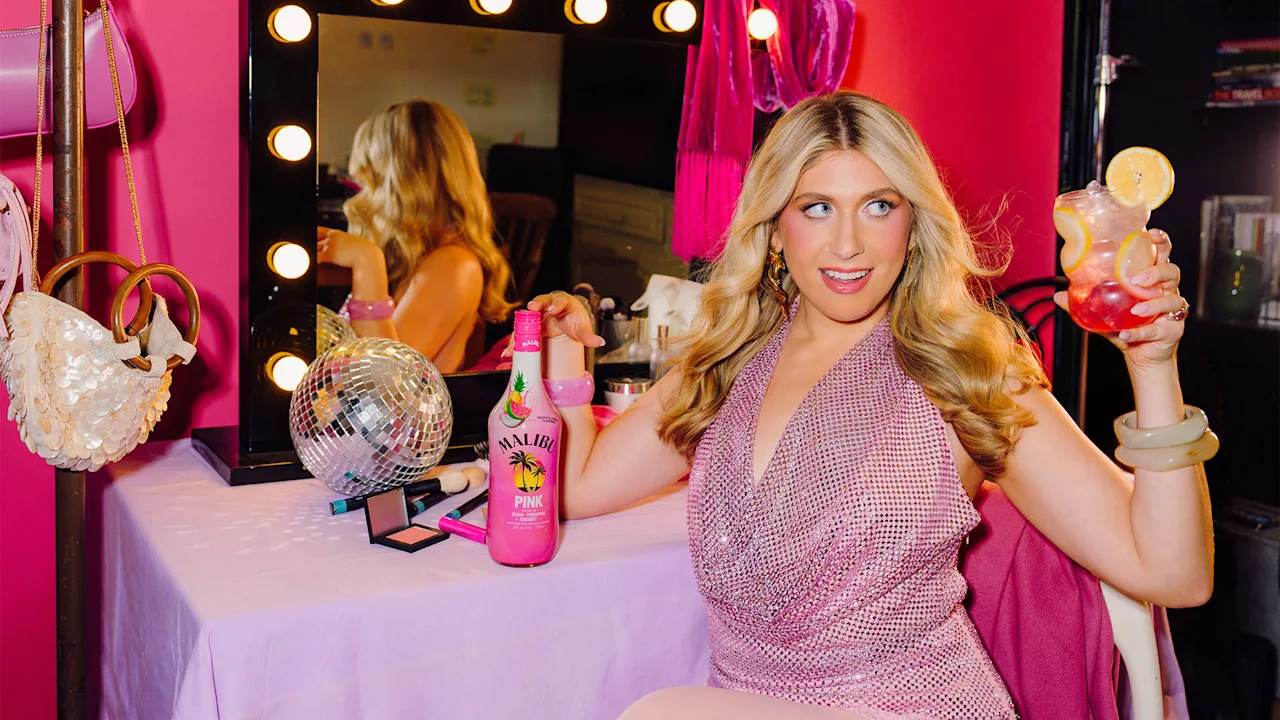
When Malibu launched its “Get Ready With Malibu Pink” campaign this spring, the rum brand had all the necessary ingredients for a modern influencer campaign. Creator partnerships with Sabrina Brier and other influencers, on-trend “get ready with me” style videos, all centered on the debut of a new flavored rum with guava, coconut, and pineapple. But there was also one element that was surprisingly new terrain for Malibu’s parent company Pernod Ricard: its first major campaign designed specifically for TikTok.
A platform once off-limits Until very recently, alcohol brands like Malibu were completely absent from TikTok. But over the past two years, TikTok’s stronger age-gating protocols, which help guarantee to marketers like Malibu that the content they publish is only seen by legal-age users, have opened the platform for greater experimentation. The growing, cross-generational popularity of TikTok, with four in ten U.S. adults active on the platform and 80 over the age of 21, was also heralded as a key factor. “It’s important for us to connect with Zillennials,” Caroline Begley, Pernod Ricard’s vice president of marketing, tells Fast Company of the importance of the microgeneration of younger millennials and older Gen Z. “Malibu has been around for decades, but it’s always important to introduce new consumers to the brand.” The rush to catch up Boozy TikTok campaigns have proliferated, including Grey Goose vodka’s “Devil Wears Prada 2” content starring supermodel Heidi Klum, Espolòn Tequila’s “Shot Kings Week” celebration with actor and comedian Ken Jeong, St-Germain liqueur’s spritz-making session with actress Sophie Turner, and a behind-the-scenes look at a commercial for the ready-to-drink brand -196 with content creator Pooja Tripathi. From left: Heidi Klum, Ken Jeong, Sophie Turner [Photos: Bacardi Limited, Campari Group] They are now playing catch-up to connect with the highly coveted Gen Z crowd that dominates the cultural conversation and trends on an app that’s already almost a decade old and generates more than 14 billion in U.S. advertising spending annually, according to data from market researcher eMarketer. How the rules changed Pernod Ricard and Bacardi were early adopters, launching limited pilots beginning in 2024. At the same time, TikTok was in active discussions with the Distilled Spirits Council of the United States (DISCUS), the liquor trade advocacy group responsible for setting the protocols for advertising across television, print media, out-of-home advertising, and social platforms including Facebook and Instagram. Liquor brands were allowed to create their own TikTok branded accounts in July 2024, when paid ads were also authorized to target users above 25. Organic brand pages and content were fully “age gated” beginning in July 2025, according to DISCUS, and influencer-related alcohol content began to flow by early 2026. There are still a few restrictions, including most notably that TikTok Shop doesn’t permit the sale of alcohol. [Photo: Campari Group] “Social media companies have gotten really good at also identifying when somebody is misreporting their age using signal data,” says Courtney J. Armour, chief legal officer of DISCUS, in an interview with Fast Company. TikTok’s advertising policies for alcohol include never featuring people below the age of 25, avoiding the portrayal of excess drinking or intoxication, stating the alcoholic content level, and carrying a responsible drinking disclaimer. One sticking point that was recently resolved involved user comments left on a brand’s TikTok page. DISCUS wanted more guardrails to ensure age verification before allowing brands to turn that feature on. Learning TikTok’s language While most liquor brands still have minuscule TikTok follower counts, they’re actively setting up pages and developing unique strategies for the platform that they say cannot mirror what works on Instagram. “It’s more raw, it’s imperfect, and I think that’s what people gravitate to,” Ned Duggan, global CMO and president of Bacardi Global Brands, tells Fast Company. He adds that TikTok users are more motivated to discover new products and be entertained, while Instagram is more curated and polished. “TikTok is more like behind the scenes, whereas Instagram and other platforms are more front-of-stage,” he adds. TikTok says that 42 of users have discovered a new alcohol brand on the platform. Users over the age of 21 are 1.6 times more likely to buy alcohol or try a new cocktail recipe versus those not using TikTok, the company says. Speed, volume, and experimentation Italian liquor maker Campari Group debuted on TikTok in June 2025 and has since rolled out several campaigns for brands including Espolòn Tequila, Wild Turkey bourbon, and the aperitif Aperol. “When we jumped into TikTok, we quickly learned that it plays by a totally different set of rules than other platforms,” Brian Chang, Campari’s head of consumer marketing and ecommerce, tells Fast Company. Karrueche Tran [Photo: Campari Group] Liquor marketing executives have quickly learned the need for speed when it comes to effective TikTok storytelling. “We wanted to make a point where the zoom-in mouth effect will be the first few seconds that people would see on TikTok, so that they’re not consistently doomscrolling past the content,” says Chang, of the “Bring Your Own Courvoisier” content that began with a close-up of actress Karrueche Tran’s mouth. Last year, Suntory piloted content centered on -196 with STEM-focused videos that explained how the company uses whole fruits that are frozen in liquid nitrogen, then crushed and infused into vodka. “The category as a whole lends itself, I think, to TikTok as a channel, given the Gen Z connectivity with RTDs,” Davin Nugent, president of global RTD at Suntory Global Spirits, tells Fast Company. Turning views into sales The benchmarks that Suntory is monitoring include ad recall, a marketing metric that measures how many consumers remember seeing an ad, as well as awareness, favorability, and, of course, sales. “If we have great campaigns, but we aren’t getting new purchase intent, then we’re just creating new work and making people smile,” says Nugent. “It has to result in an uptick in consumer purchases.” [Photo: Suntory] The ecommerce platform ReserveBar is one of the key players that helps enable brands like Bacardi and Campari to link campaigns to direct sales, as liquor manufacturers aren’t allowed to directly sell to consumers due to the three-tier system in the U.S. that mandates that alcohol flows from producers, to distributors and then retailers before reaching consumers. ReserveBar’s links are now allowed on TikTok and the brand set up its own organic handle a couple of months ago. “There’s not a playbook, because everyone in the industry, we’re starting from scratch,” ReserveBar Chief Marketing Officer Kate Zaman tells Fast Company. But she says the industry can take some cues from lessons learned from non-alcoholic consumer product brands that have had more time to cultivate their TikTok strategies. Success on TikTok isn’t just about speed and cultural tie-ins; there’s also a thirst for volume. “The pure amount of content that you really need to be successful on TikTok is much more than I think what you need on Meta,” says Zaman.
Fast Company
Coverage and analysis from United States of America. All insights are generated by our AI narrative analysis engine.