
0
You could see up to 20 shooting stars an hour this week—if you know when to look
April 21, 2026
Posted 5 hours ago by
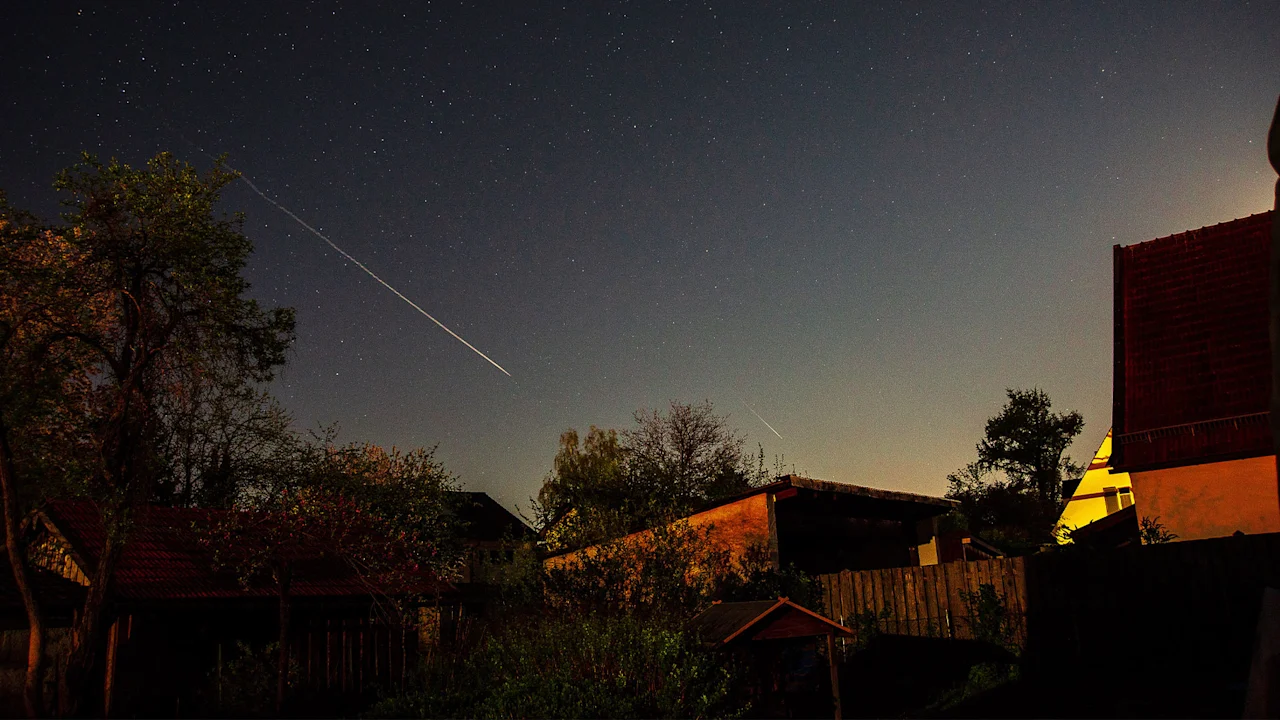
The annual Lyrid meteor shower is back, reaching its peak on Tuesday evening and at predawn on Wednesday. On average, 10 to 20 meteors are produced per hour during a Lyrid shower. But, in some rare occasions “outbursts” can occur, with up to 100 meteors produced in an hour. According to the American Meteor Society, Lyrids will be mostly visible in the Northern hemisphere at dawn, although limited availability will also be available to those in the Southern Hemisphere.
The Lyrid shower is among the oldest recorded meteor showers, dating back as far as 2,700 years. The meteor shower is visible when Earth travels through the path of Comet Thatcher, rendering a trail of the comet’s remnants visible to skywatchers. The comet’s crumbs create a bright streak in the sky as they burn up on Earth’s atmosphere, becoming what most refer to as a shooting star. “When comets come around the sun, the dust they emit gradually spreads into a dusty trail around their orbits,” the National Aeronautics and Space Administration (NASA) says. “Every year the Earth passes through these debris trails, which allows the bits to collide with our atmosphere where they disintegrate to create fiery and colorful streaks in the sky. How to watch the Lyrid meteor shower Meteors will appear to be coming from Vega, one of the brightest starts in the Lyra constellation. According to experts, its best to look slightly away from the radiant point to spot some of the meteors with the longest tails. In order to identify the radiant point, stargazing apps can guide users towards Vega. According to NASA, stargazers should look towards the east starting April 21 at 10 pm onwards. While the shower runs through April 16 to 25, its peak visibility will arrive midweek, and does not require equipment to spot. In order to gain visibility, experts suggest moving away from areas with high brightness like city lights or even the moon. This year, the moon is not expected to interfere with visibility. Experts recommend spending at least an hour meteor watching, as eyes can take up to 20 minutes to fully adjust to the darkness—and longer viewing windows help account for natural lulls in activity. Stargazers should also dress warmly and bring hot drinks, as late-night temperatures can dip significantly depending on location.
Fast Company
Coverage and analysis from United States of America. All insights are generated by our AI narrative analysis engine.