
Today in News History
On July 8, several notable moments in the history of News stand out. In 1864, Ikedaya Incident: The Choshu Han shishi's planned Shinsengumi sabotage on Kyoto, Japan at Ikedaya. In 1889, The first issue of The Wall Street Journal is published. In 1906, Philip Johnson, American architect, designed the IDS Center and PPG Place (died 2005) was born. In 1932, The Dow Jones Industrial Average reaches its lowest level of the Great Depression, closing at 41.22. In 1947, Reports are broadcast that a UFO crash-landed in Roswell, New Mexico in what became known as the Roswell UFO incident. In 1960, Francis Gary Powers is charged with espionage resulting from his flight over the Soviet Union. In 1965, Canadian Pacific Air Lines Flight 21 is destroyed by a bomb near 100 Mile House, Canada, killing 52. In 1980, Aeroflot Flight 4225 crashes near Almaty International Airport in the then Kazakh Soviet Socialist Republic (present day Kazakhstan) killing all 166 people on board. In 2003, Sudan Airways Flight 139 crashes near Port Sudan Airport during an emergency landing attempt, killing 116 of the 117 people on board. In 2011, Space Shuttle Atlantis is launched in the final mission of the U.S. Space Shuttle program. Together, these milestones provide historical context for today's news news and ongoing narratives.
Why was former Pfizer HQ evacuated? Collapse fears explained after NYC Dept of Buildings' review

Emergency evacuations took place at the former Pfizer building in Manhattan.
Narrative Intelligence Brief
This article was published by Hindustan Times, a source frequently categorized with a lean left bias based in India. Our narrative intelligence engine continuously monitors coverage from this outlet to track framing, bias, and rhetorical patterns. Our initial algorithmic scan of this specific piece did not flag high-confidence rhetorical techniques, suggesting a generally straightforward reporting style or neutral framing. By understanding the editorial perspective of Hindustan Times, readers can better contextualize the information presented and compare it across our broader media matrix to find the real narrative.
More from Hindustan Times
July 8, 2026
Microsoft layoffs: What severance package is being offered to US employees? All we know as company cuts 4,800 jobs
July 8, 2026
Kristi Noem faces major blow: Bombshell doc reveals her aide erased 30 secret Signal chats involving Corey Lewandowski
July 8, 2026
Apple to spend over $30bn with Broadcom to produce 15 billion US-made chips: Here's what Tim Cook said
July 8, 2026
Ukraine Is Redefining Modern Warfare
July 8, 2026
Mitch McConnell ‘literally’ freezing: CNN's Abby Phillip, The View’s Ana Navarro reveal major problem amid health rumors
Analysis Methodology
This narrative analysis was generated using the CoDataLab Global Intelligence Engine. Our proprietary AI scans thousands of cross-border sources to identify sentiment patterns, framing techniques, and potential media bias. While AI provides the data-driven foundation, our objective is to empower readers with additional context beyond the standard headline.The content displayed above is a structured summary designed for rapid information processing. For the full original report, please visit the source outlet.More Coverage
Discussion
"nato summit"
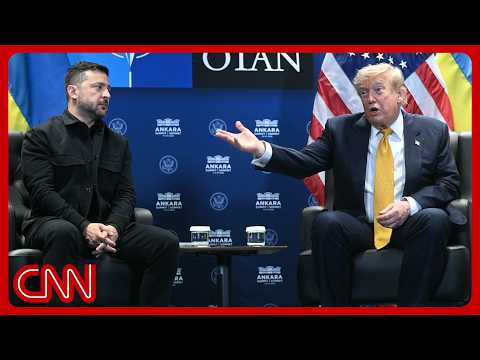
Trump says Ukraine’s escalation inside Russia could help end war
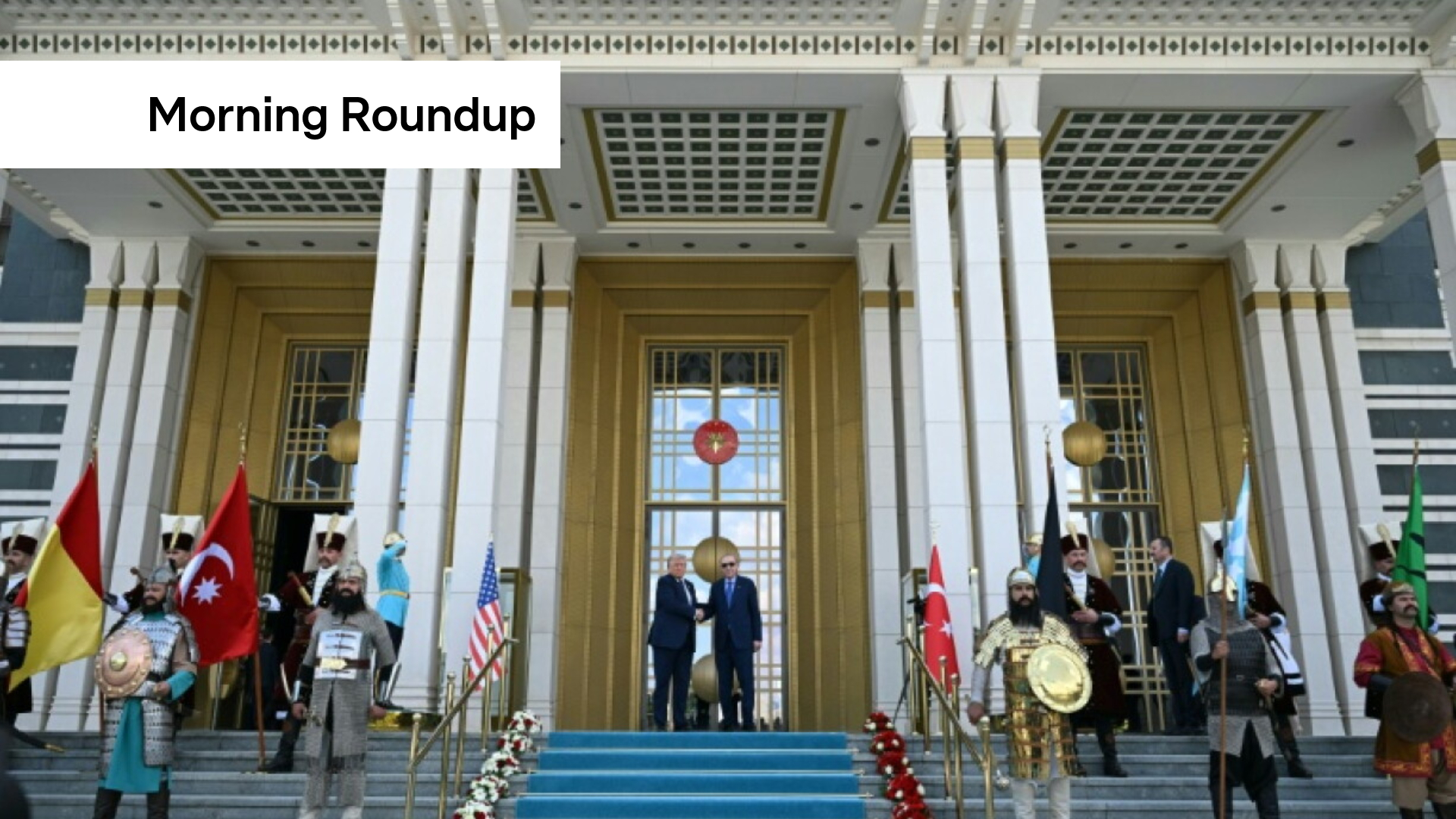
Morning Roundup: Fraud case exposes administrative weakness, US–Iran tensions reignite, and NATO summit begins
Trump excoriates NATO, calls Iranians ‘lying scum,’ and declares MOU over in angry tirade
