Today in News History
On July 9, several notable moments in the history of News stand out. In 551, A major earthquake strikes Beirut, triggering a devastating tsunami that affects the coastal towns of Byzantine Phoenicia, causing thousands of deaths. In 1821, Four hundred and seventy prominent Cypriots including Archbishop Kyprianos are executed in response to Cypriot aid to the Greek War of Independence. In 1950, Viktor Yanukovych, Ukrainian engineer and politician, 4th President of Ukraine was born. In 1955, The Russell-Einstein Manifesto calls for a reduction of the risk of nuclear warfare. In 1961, Greece becomes the first member state to join the European Economic Community by signing the Athens Agreement, which was suspended in 1967 during the Greek junta. In 1982, Alecko Eskandarian, American soccer player and manager was born. In 1993, Metin Altıok, Turkish poet and educator (born 1940) passed away. In 2004, The Senate Report on Iraqi WMD Intelligence is released by the United States Senate Select Committee on Intelligence, casting doubt on the rationale for the Iraq War. In 2004, Paul Klebnikov, American journalist and historian (born 1963) passed away. In 2011, South Sudan gains independence and secedes from Sudan. Together, these milestones provide historical context for today's news news and ongoing narratives.
Why Türkiye's rare earth elements should be on NATO's agenda
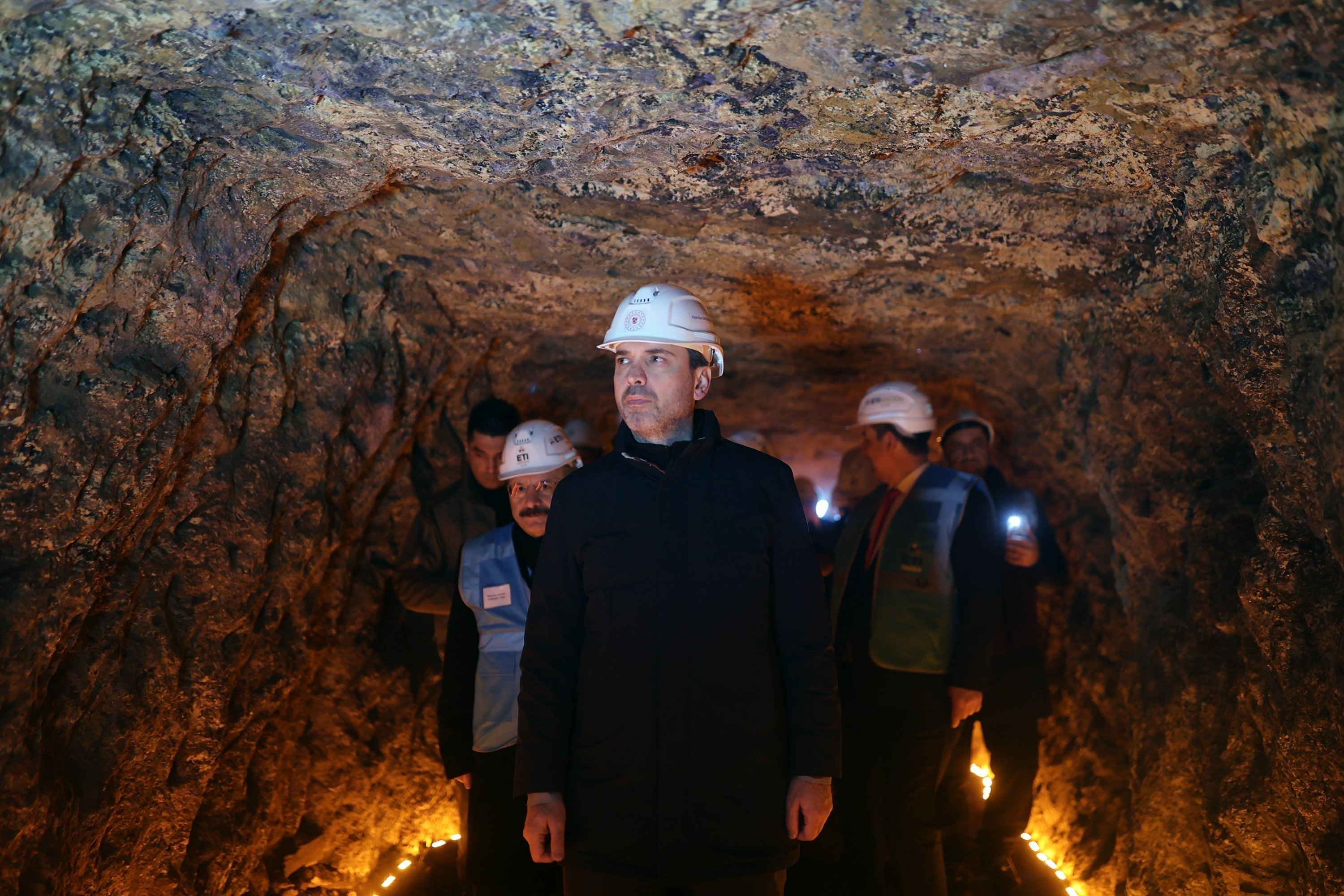
The NATO summit in Ankara convened at a time when the alliance's agenda is largely focused on the requirements of rearmament: production capacity, munitions stockpiles and the...
Narrative Intelligence Brief
This article was published by Daily Sabah, a source frequently categorized with a right bias based in Turkey. Our narrative intelligence engine continuously monitors coverage from this outlet to track framing, bias, and rhetorical patterns. Our initial algorithmic scan of this specific piece did not flag high-confidence rhetorical techniques, suggesting a generally straightforward reporting style or neutral framing. By understanding the editorial perspective of Daily Sabah, readers can better contextualize the information presented and compare it across our broader media matrix to find the real narrative.
More from Daily Sabah
July 8, 2026
Swifties splurge over $1,000 to grab T&T wedding garbage
July 8, 2026
UN finds RSF conduct in Sudan civil war amounts to genocide
July 8, 2026
Your mental health may depend on more than your brain
July 8, 2026
Egypt press FIFA complaint against referee after World Cup loss
July 8, 2026
US launches fresh Iran strikes after Trump calls interim deal 'over'
Analysis Methodology
This narrative analysis was generated using the CoDataLab Global Intelligence Engine. Our proprietary AI scans thousands of cross-border sources to identify sentiment patterns, framing techniques, and potential media bias. While AI provides the data-driven foundation, our objective is to empower readers with additional context beyond the standard headline.The content displayed above is a structured summary designed for rapid information processing. For the full original report, please visit the source outlet.More Coverage
Discussion
"strikes iran"
JUST IN: US STRIKES IRAN AGAIN…WAR UPDATES 7/7/26

US strikes Iran again, CENTCOM says it aims to “further degrade” threats to freedom of navigation in Strait of Hormuz
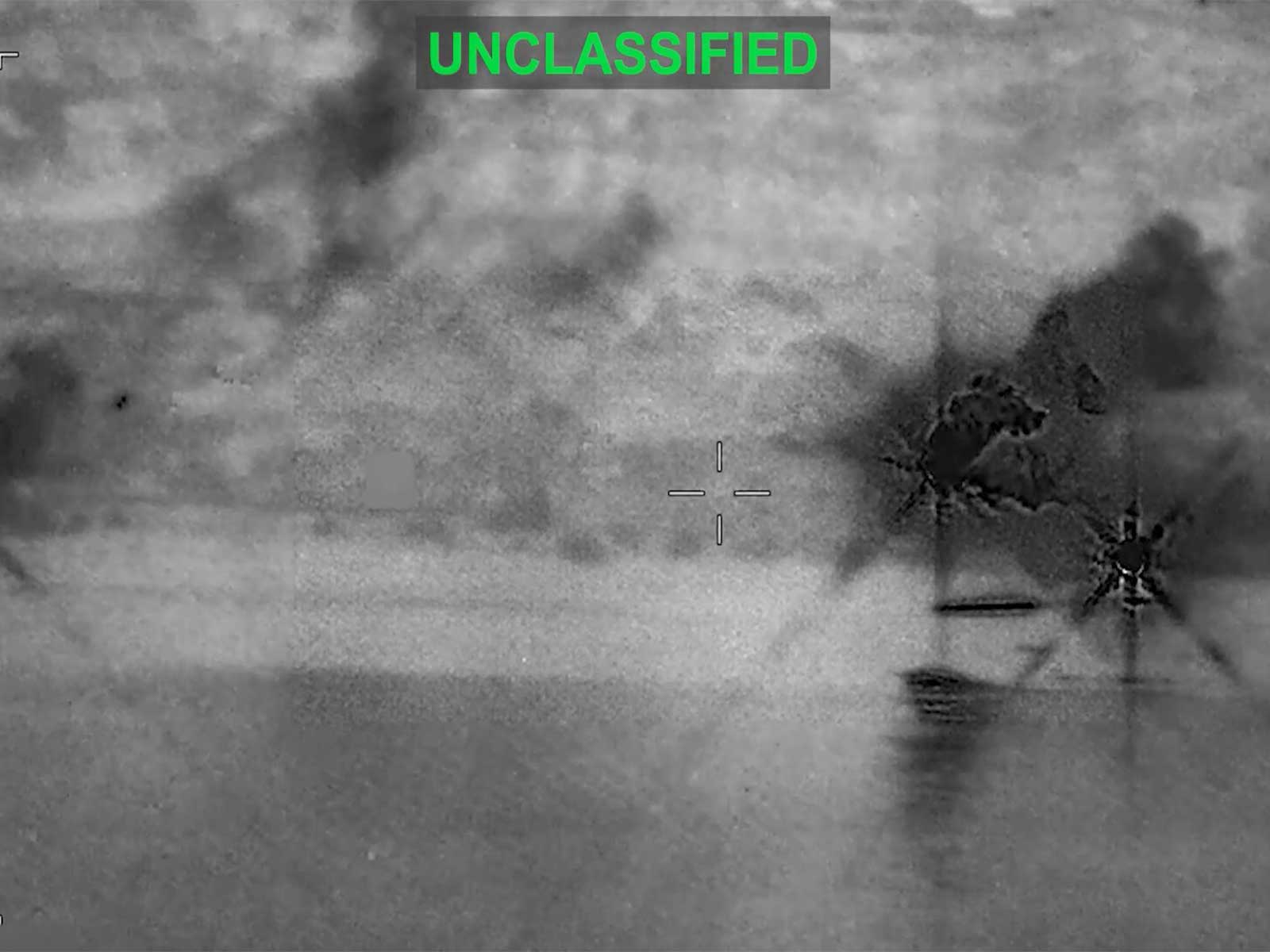
US strikes Iran for second night as Trump says ceasefire is ‘over’