
Today in News History
On July 8, several notable moments in the history of News stand out. In 1695, Christiaan Huygens, Dutch mathematician, astronomer, and physicist (born 1629) passed away. In 1838, Eli Lilly, American soldier, chemist, and businessman, founded Eli Lilly and Company (died 1898) was born. In 1894, Pyotr Kapitsa, Russian physicist and academic, Nobel Prize laureate (died 1984) was born. In 1895, Igor Tamm, Russian physicist and academic, Nobel Prize laureate (died 1971) was born. In 1927, Khensur Lungri Namgyel, Tibetan religious leader was born. In 1966, Ralf Altmeyer, German-Chinese virologist and academic was born. In 1974, Hu Liang, Chinese field hockey player was born. In 1977, Wang Zhizhi, Chinese basketball player was born. In 1979, Robert Burns Woodward, American chemist and academic, Nobel Prize laureate (born 1917) passed away. In 1979, Sin-Itiro Tomonaga, Japanese physicist and academic, Nobel Prize laureate (born 1906) passed away. Together, these milestones provide historical context for today's news news and ongoing narratives.
Why lithium battery and radar pioneers won China’s top science award
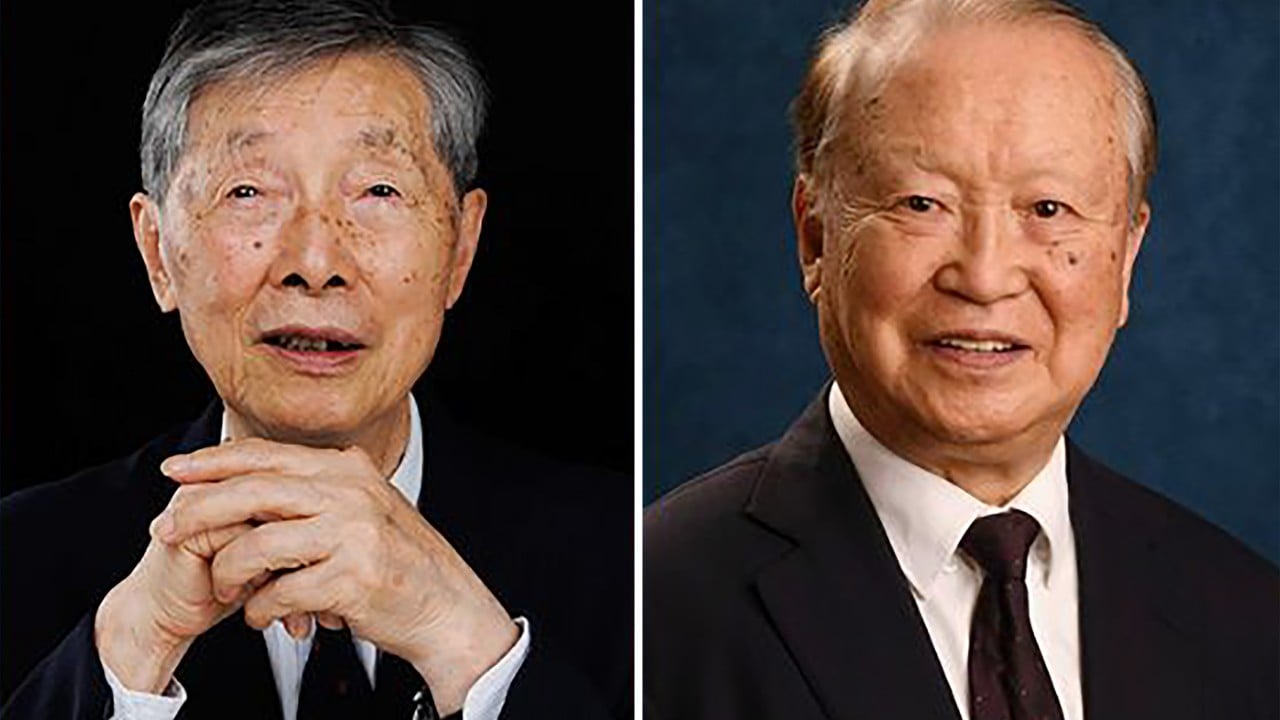
A lithium battery pioneer and a trailblazer in military radar technology are this year’s winners of China’s most prestigious annual science prize. Chen Liquan received his 2025 State Pre-eminent Science and Technology Award for developing the country’s first lithium battery and helping to launch the industrialisation of the technology in China. And Ben De, who led the development of China’s first airborne pulse-Doppler fire-control radar – a core sensor for fighter aircraft – also won for his...
Narrative Intelligence Brief
This article was published by South China Morning Post, a source frequently categorized with a lean left bias based in Hong Kong. Our narrative intelligence engine continuously monitors coverage from this outlet to track framing, bias, and rhetorical patterns. Our initial algorithmic scan of this specific piece did not flag high-confidence rhetorical techniques, suggesting a generally straightforward reporting style or neutral framing. By understanding the editorial perspective of South China Morning Post, readers can better contextualize the information presented and compare it across our broader media matrix to find the real narrative.
More from South China Morning Post
July 8, 2026
Spain plays down Trump’s trade embargo threat, saying there is ‘no tension’
July 8, 2026
Hong Kong rail operator taps star power to promote safer escalator use
July 8, 2026
Search for crew goes on as plane wreckage found off Pakistan’s coast
July 8, 2026
China’s Xi Jinping calls for innovation system overhaul to beat global tech rivals
July 8, 2026
IMF sees world economy growing just 3% this year amid Iran war
Analysis Methodology
This narrative analysis was generated using the CoDataLab Global Intelligence Engine. Our proprietary AI scans thousands of cross-border sources to identify sentiment patterns, framing techniques, and potential media bias. While AI provides the data-driven foundation, our objective is to empower readers with additional context beyond the standard headline.The content displayed above is a structured summary designed for rapid information processing. For the full original report, please visit the source outlet.More Coverage
Discussion
"nato summit"
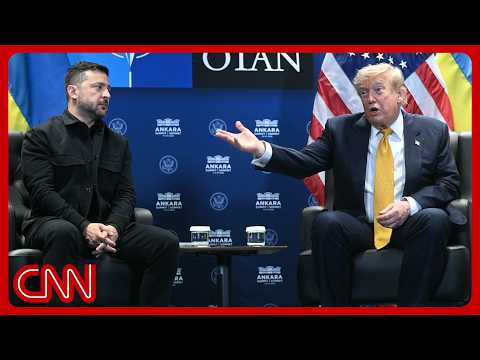
Trump says Ukraine’s escalation inside Russia could help end war
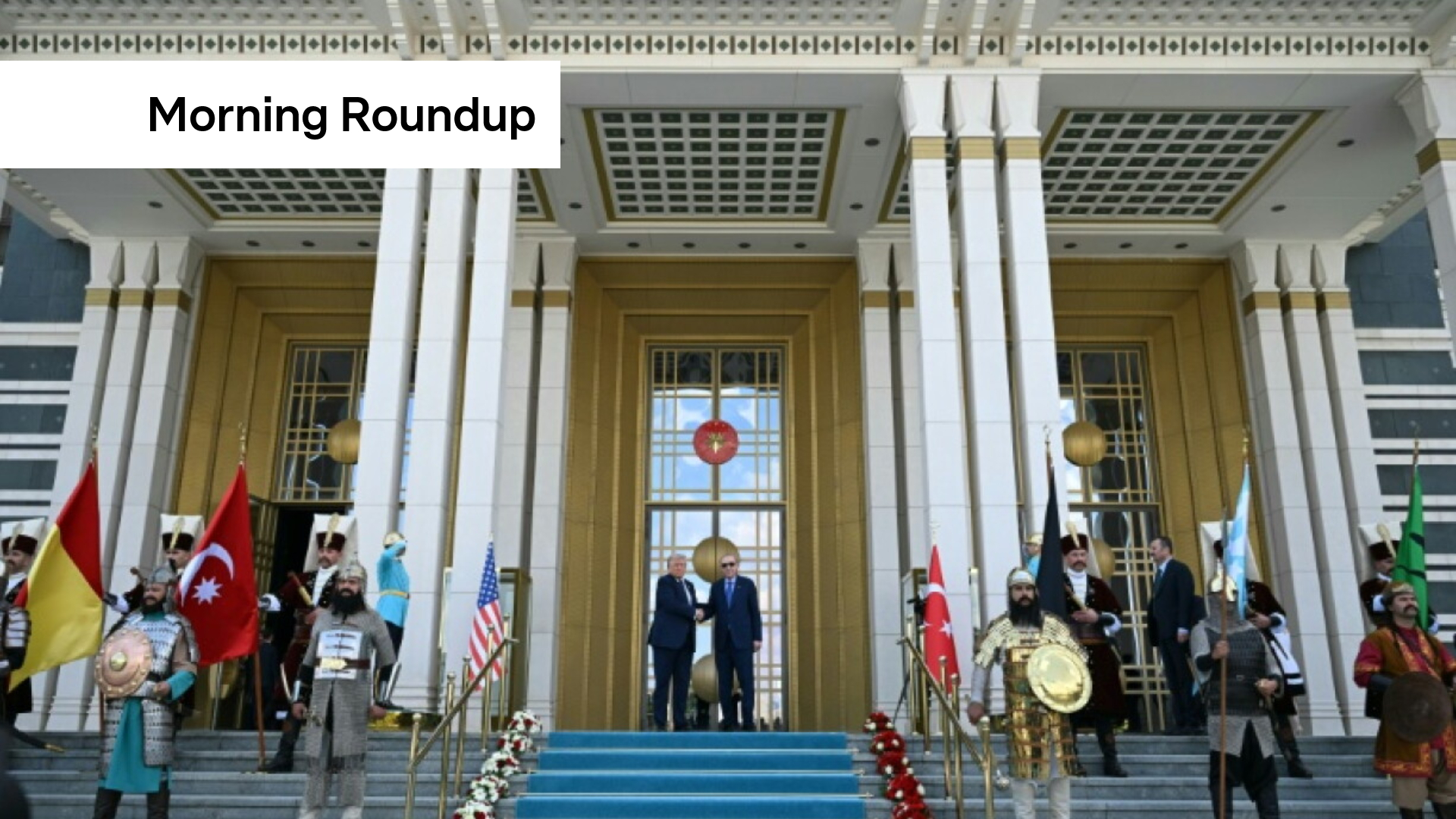
Morning Roundup: Fraud case exposes administrative weakness, US–Iran tensions reignite, and NATO summit begins
Trump excoriates NATO, calls Iranians ‘lying scum,’ and declares MOU over in angry tirade
