
Today in News History
On July 12, several notable moments in the history of News stand out. In 1893, A revolution led by the liberal general and politician José Santos Zelaya takes over state power in Nicaragua. In 1940, World War II: Vichy France regime is formally established. Philippe Pétain becomes Chief of the French State. In 1941, The Northern Rhodesian Labour Party holds its first congress in Nkana. In 1943, Robert Malval, Haitian businessman and politician, 5th Prime Minister of Haiti was born. In 1953, Piyasvasti Amranand, Thai businessman and politician, Thai Minister of Energy was born. In 1955, Balaji Sadasivan, Singaporean neurosurgeon and politician, Singaporean Minister of Health (died 2010) was born. In 1960, Congo Crisis: The State of Katanga breaks away from the Democratic Republic of the Congo. In 1960, France legislates for the independence of Dahomey (later Benin), Upper Volta (later Burkina Faso) and Niger. In 1990, Oka Crisis: First Nations land dispute in Quebec begins. In 2010, The Islamist militia group Al-Shabaab carries out multiple suicide bombings in Kampala, Uganda, killing 74 people and injuring 85 others. Together, these milestones provide historical context for today's news news and ongoing narratives.
Why LC1 Elections Put Uganda’s Smallest Political Unit at the Heart of National Progress
By Brian Mugenyi Watchdog Uganda (mugenyijj@gmail.com) KAMPALA, UGANDA. Electoral Commission (EC) Chairman, Justice Simon Byabakama, has long driven home a fundamental truth: strong national leadership is a mirage without competent, service-driven stewards at the grassroots village level. Consider this. Before a government program makes it into a ministry’s glossy annual report, before billions of shillings [] The post Why LC1 Elections Put Uganda’s Smallest Political Unit at the Heart of National Progress appeared first on Watchdog Uganda.
Narrative Intelligence Brief
This article was published by Watchdog Uganda, a source frequently categorized with a center bias based in Uganda. Our narrative intelligence engine continuously monitors coverage from this outlet to track framing, bias, and rhetorical patterns. Our initial algorithmic scan of this specific piece did not flag high-confidence rhetorical techniques, suggesting a generally straightforward reporting style or neutral framing. By understanding the editorial perspective of Watchdog Uganda, readers can better contextualize the information presented and compare it across our broader media matrix to find the real narrative.
More from Watchdog Uganda
July 7, 2026
The Untold Story Behind Why Some UHRC Commissioners Turned Against Their Chairperson
July 7, 2026
The Rise of Union Transport Alliance: What Drives Ssenoga’s Vision for Uganda’s Transport Sector?
July 7, 2026
From Smugglers’ Route to Healthcare Hub: How Busia’s Sh1.3bn Sofia Health Centre III is Transforming Border Care
July 6, 2026
‘I narrowly survived Anita Among’s killer hand’ – How an investigative journalist Ivan Okuda escaped the powerful politician’s wrath
July 7, 2026
Hope is not the silver bullet: Why believing in yourself must be accompanied by Action
Analysis Methodology
This narrative analysis was generated using the CoDataLab Global Intelligence Engine. Our proprietary AI scans thousands of cross-border sources to identify sentiment patterns, framing techniques, and potential media bias. While AI provides the data-driven foundation, our objective is to empower readers with additional context beyond the standard headline.The content displayed above is a structured summary designed for rapid information processing. For the full original report, please visit the source outlet.More Coverage
Discussion
"cup semifinal"
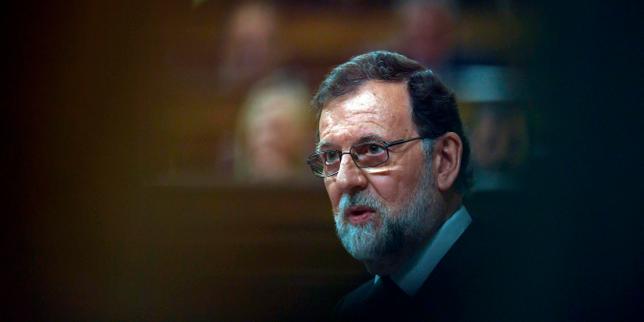
Former Spanish PM Rajoy makes racist remarks about France's football team
[Photo] JUST IN: 🇦🇷 Argentina officially advances to the FIFA World Cup semifinal after defeat [...]
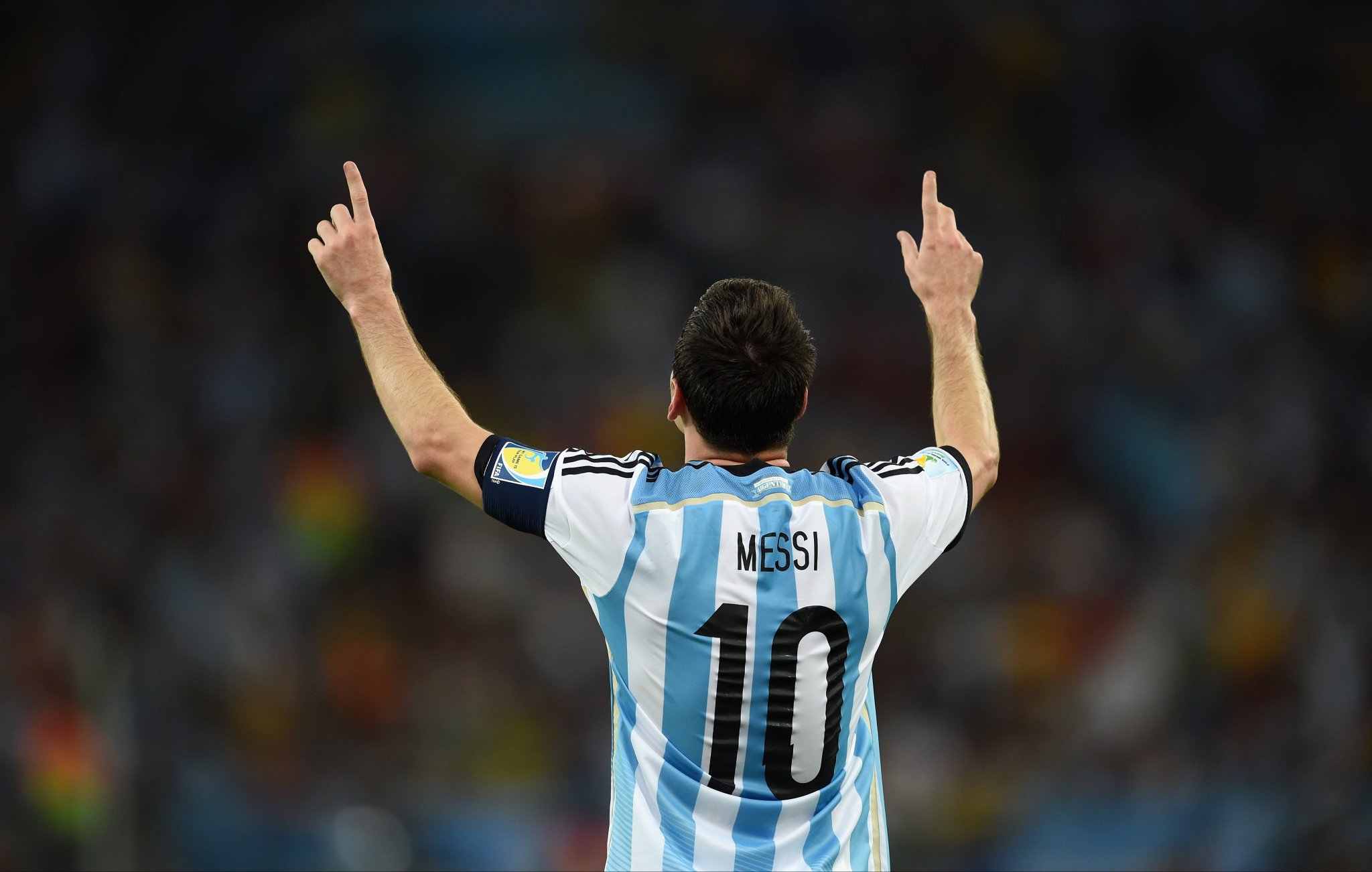
Argentina's hero: "We are just two steps away from the goal"

How other outlets are covering this story
Compare narratives across 1 related report. Real Narrative News aggregates the coverage spectrum so you can see who emphasises what — bias tags reflect the outlet, not the story.
Coverage bias distribution
1 source
Left 0%
Center 100%
Right 0%
Topics:
Related coverage for "Why LC1 Elections Put Uganda’s Smallest Political Unit at the Heart of National Progress": Watchdog Uganda — FROM DISPUTE RESOLUTION TO DEVELOPMENT WATCHDOG: WHY LC1 ELECTIONS PUT UGANDA’S SMALLEST POLITICAL UNIT AT THE HEART OF NATIONAL PROGRESS