
Today in News History
On June 19, several notable moments in the history of News stand out. In 1747, Nader Shah, Persian leader (born 1688) passed away. In 1943, The Philadelphia Eagles and Pittsburgh Steelers of the NFL merge for one season due to player shortages caused by World War II. In 1949, Syed Zafarul Hasan, Indian philosopher and academic (born 1885) passed away. In 1951, Ayman al-Zawahiri, Egyptian terrorist (died 2022) was born. In 1977, Ali Shariati, Iranian sociologist and philosopher (born 1933) passed away. In 1987, Basque separatist group ETA commits one of its most violent attacks, in which a bomb is set off in a supermarket, Hipercor, killing 21 and injuring 45. In 1991, The last Soviet army units in Hungary are withdrawn. In 2007, Ze'ev Schiff, Israeli journalist and author (born 1932) passed away. In 2009, War in North-West Pakistan: The Pakistani Armed Forces open Operation Rah-e-Nijat against the Taliban and other Islamist rebels in the South Waziristan area of the Federally Administered Tribal Areas. In 2020, Animal rights advocate Regan Russell is run over and killed by a transport truck outside of a pig slaughterhouse in Burlington, Ontario. Together, these milestones provide historical context for today's news news and ongoing narratives.
Why Energy Markets Will Remain Volatile Even After the Iran-U.S. Deal

An aerial of the Torrance Refining Company’s tanks on June 15 in Torrance, Calif. —Kayla Bartkowski / Los Angeles Times—Getty Images This week’s interim deal between the U.S. and Iran to end hostilities and reopen the Strait of Hormuz avoided the worst possible scenario for oil markets. Assuming the dealholds, the flow of oil out []
Narrative Intelligence Brief
This article was published by DNyuz, a source frequently categorized with a lean right bias based in Armenia. Our narrative intelligence engine continuously monitors coverage from this outlet to track framing, bias, and rhetorical patterns. Our initial algorithmic scan of this specific piece did not flag high-confidence rhetorical techniques, suggesting a generally straightforward reporting style or neutral framing. By understanding the editorial perspective of DNyuz, readers can better contextualize the information presented and compare it across our broader media matrix to find the real narrative.
More from DNyuz
June 19, 2026
Would taking a trip with this new guy finally push us out of the ‘polite’ phase?
June 19, 2026
‘Sugar’ Review: Close Encounters of the Noir Kind
June 19, 2026
What a Juneteenth Boxing Match Revealed About America
June 19, 2026
Trump’s bungled pool project gets vicious review from DC residents: ‘Feel for the ducks’
June 19, 2026
The Truth About Whether ‘Blazing Saddles’ Had the First Audible Fart in Movie History or Not
Analysis Methodology
This narrative analysis was generated using the CoDataLab Global Intelligence Engine. Our proprietary AI scans thousands of cross-border sources to identify sentiment patterns, framing techniques, and potential media bias. While AI provides the data-driven foundation, our objective is to empower readers with additional context beyond the standard headline.The content displayed above is a structured summary designed for rapid information processing. For the full original report, please visit the source outlet.More Coverage
Discussion
"cup"
Canada Soccer Star Ismaël Koné Suffers Brutal Leg Injury at World Cup

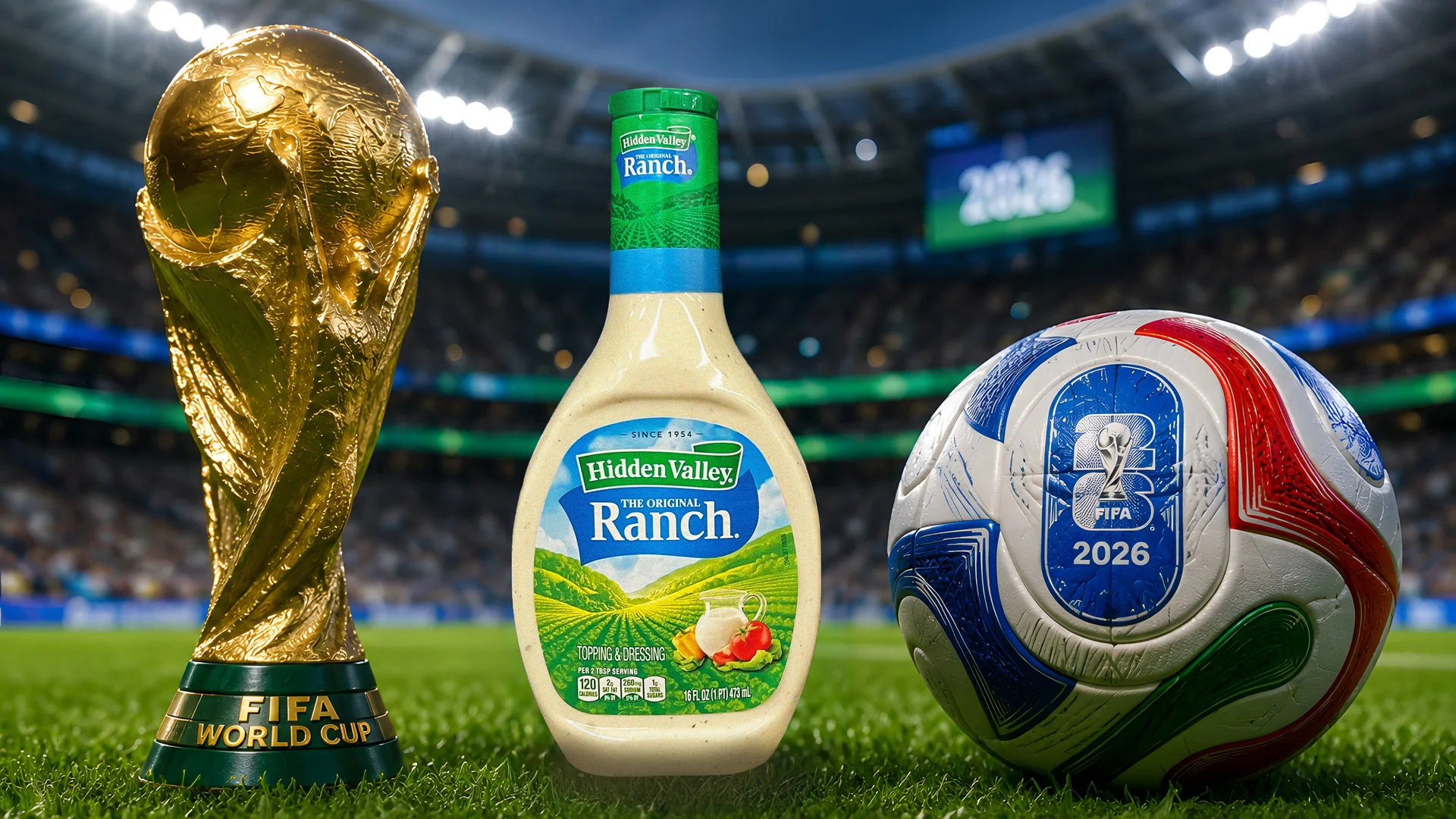
‘Living in a Movie’: World Cup Fans Are Losing Their Minds Over This U.S. Staple—and It’s Causing Chaos at Airports
Six arrested during England’s World Cup win – including for criminal trespass
