
Today in News History
On July 12, several notable moments in the history of News stand out. In 1862, The Medal of Honor is authorized by the United States Congress. In 1933, Victor Poor, American engineer, developed the Datapoint 2200 (died 2012) was born. In 1937, Robert McFarlane, American colonel and diplomat, 13th United States National Security Advisor (died 2022) was born. In 1961, Indian city Pune floods due to failure of the Khadakwasla and Panshet dams, killing at least two thousand people. In 1995, Chinese seismologists successfully predict the 1995 Myanmar-China earthquake, reducing the number of casualties to 11. In 2006, The 2006 Lebanon War begins. In 2012, Syrian Civil War: Government forces target the homes of rebels and activists in Tremseh and kill anywhere between 68 and 150 people. In 2012, Hamid Samandarian, Iranian director and playwright (born 1931) passed away. In 2014, Alfred de Grazia, American political scientist and author (born 1919) passed away. In 2015, Cheng Siwei, Chinese engineer, economist, and politician (born 1935) passed away. Together, these milestones provide historical context for today's news news and ongoing narratives.
Who would pay for Trump's proposed $300 billion Iran reconstruction fund?
Narrative Analysis: Name Calling
It's still unclear who would fund a proposed 300 billion reconstruction plan for Iran. Former National Security Adviser Jake Sullivan called the whole approach something entirely new.
Narrative Intelligence Brief
This article was published by NPR News, a source frequently categorized with a lean left bias based in United States of America. Our narrative intelligence engine continuously monitors coverage from this outlet to track framing, bias, and rhetorical patterns. In this specific piece, our systems detected the potential use of the "Name Calling" technique. This narrative approach is often used to shape reader perception by highlighting specific emotional or rhetorical angles. By understanding the editorial perspective of NPR News, readers can better contextualize the information presented and compare it across our broader media matrix to find the real narrative.
More from NPR News
July 12, 2026
A Bible passage is at the center of a debate over how the U.S. should treat immigrants
July 12, 2026
A promising tale from Senegal of fish, rice .... and dangerous worms
July 12, 2026
Some are raising ethical concerns about political text messages using AI
July 12, 2026
An artist brought 'I.C.E. pops' to a Texas campus. The show was shut down in days
July 12, 2026
What a Monopoly importer learned when it tried to make things in the U.S.A.
Reliability Insights
P
Technique: Name Calling
System analysis detected use of specific narrative techniques in this piece.Analysis Methodology
This narrative analysis was generated using the CoDataLab Global Intelligence Engine. Our proprietary AI scans thousands of cross-border sources to identify sentiment patterns, framing techniques, and potential media bias. While AI provides the data-driven foundation, our objective is to empower readers with additional context beyond the standard headline.The content displayed above is a structured summary designed for rapid information processing. For the full original report, please visit the source outlet.More Coverage
Discussion
"lindsey graham"
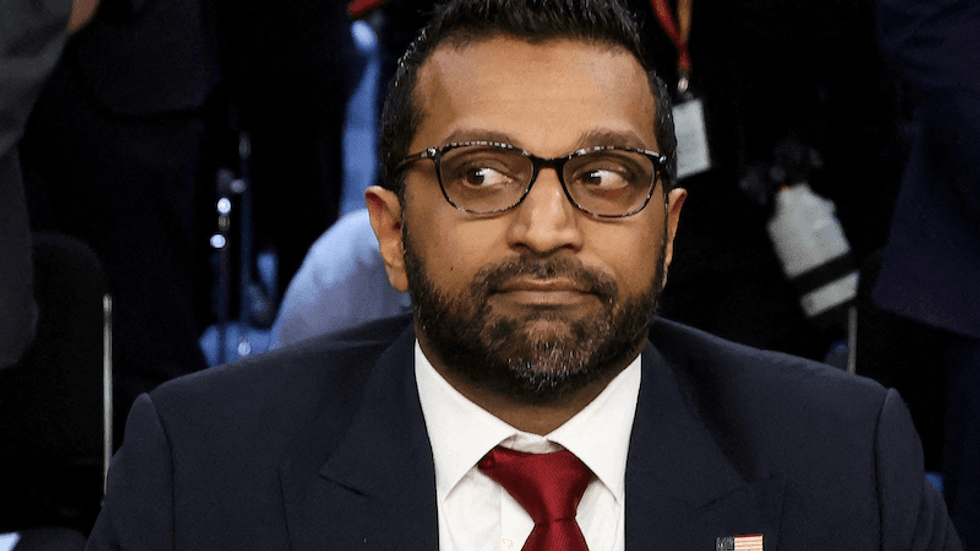
Kash Patel stuns with weird response to Lindsey Graham's death: 'Why is the FBI involved?'
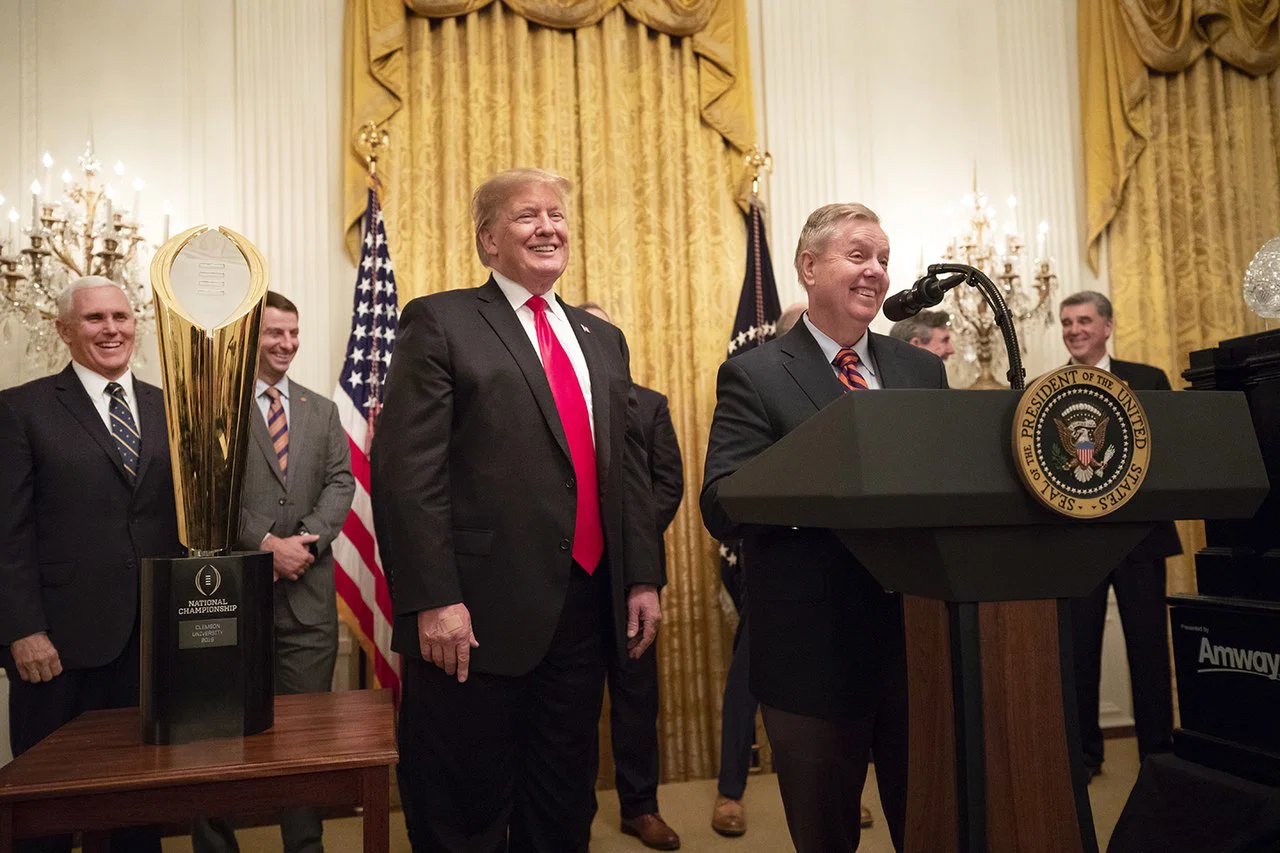
Lindsey Graham death and World Cup semis | Reuters World News

"No Conspiracy": Former Israeli Consul Dismisses Conspiracy Theories about Lindsey Graham's Death
How other outlets are covering this story
Compare narratives across 6 related reports from 6 sources. Real Narrative News aggregates the coverage spectrum so you can see who emphasises what — bias tags reflect the outlet, not the story.
Coverage bias distribution
6 sources
Left 50%
Center 33%
Right 17%
PolitiFact
· Jun 22, 2026
It’s unclear who will pay for Iran’s $300B reconstruction fund. Here’s why
Fact-checking Trump on 300 billion fund for Iran
Korea Times News
· Jun 22, 2026
What do we know about $300 bil. fund to Iran?
What do we know about $300 bil. fund to Iran?
Hindustan Times
· Jun 24, 2026
$300 billion fund to Iran in spotlight as Rubio begins meetings with Gulf allies
US regional allies are especially concerned that Iran could use the proposed 300 billion reconstruction fund to rebuild its military.
National Post
· Jun 23, 2026
Adam Zivo: $300B investment fund will enrich Iran and constrain America
It is based on the disproven theory that trade leads to peace
Arab Times Online
· Jun 24, 2026
Most of Iran’s Frozen Asset Funds Will Go Toward US Food and Medicine Purchases Under Agreement
WASHINGTON, Jun 23: US Treasury Secretary Scott Bessent said Wednesday that a significant portion of funds made available to Iran under a new arrangement would be directed toward p...
BERNAMA
· Jun 22, 2026
World : Vance Says Unfreezing Iranian Assets Would Benefit US, Strengthen West Asia Security
WASHINGTON, June 22 (Bernama-Sputnik/RIA Novosti) -- Unfreezing Iranian assets would benefit the United States (US) and help strengthen the security architecture in West Asia, US Vice President JD Vance said on Monday, reported Sputnik/RIA Novosti.
Topics:
Related coverage for "Who would pay for Trump's proposed $300 billion Iran reconstruction fund?": PolitiFact — It’s unclear who will pay for Iran’s $300B reconstruction fund. Here’s why. Korea Times News — What do we know about $300 bil. fund to Iran?. Hindustan Times — $300 billion fund to Iran in spotlight as Rubio begins meetings with Gulf allies. National Post — Adam Zivo: $300B investment fund will enrich Iran and constrain America. Arab Times Online — Most of Iran’s Frozen Asset Funds Will Go Toward US Food and Medicine Purchases Under Agreement. BERNAMA — World : Vance Says Unfreezing Iranian Assets Would Benefit US, Strengthen West Asia Security