Today in News History
On June 23, several notable moments in the history of News stand out. In 1314, First War of Scottish Independence: The Battle of Bannockburn (south of Stirling) begins. In 1716, Fletcher Norton, 1st Baron Grantley, English lawyer and politician, Solicitor General for England and Wales (died 1789) was born. In 1893, Theophilus Shepstone, English-South African politician (born 1817) passed away. In 1894, Harold Barrowclough, New Zealand military leader, lawyer and Chief Justice (died 1972) was born. In 1910, Gordon B. Hinckley, American religious leader, 15th President of The Church of Jesus Christ of Latter-day Saints (died 2008) was born. In 1930, Francis Newall, 2nd Baron Newall, English businessman and politician was born. In 1940, Derry Irvine, Baron Irvine of Lairg, Scottish lawyer, judge, and politician, Lord High Chancellor of Great Britain was born. In 1958, John Hayes, English politician, Minister of State at the Department of Energy and Climate Change was born. In 2010, John Burton, Australian public servant and diplomat (born 1915) passed away. In 2016, The United Kingdom votes in a referendum to leave the European Union, by 52% to 48%. Together, these milestones provide historical context for today's news news and ongoing narratives.
Who is Britain's next leader?
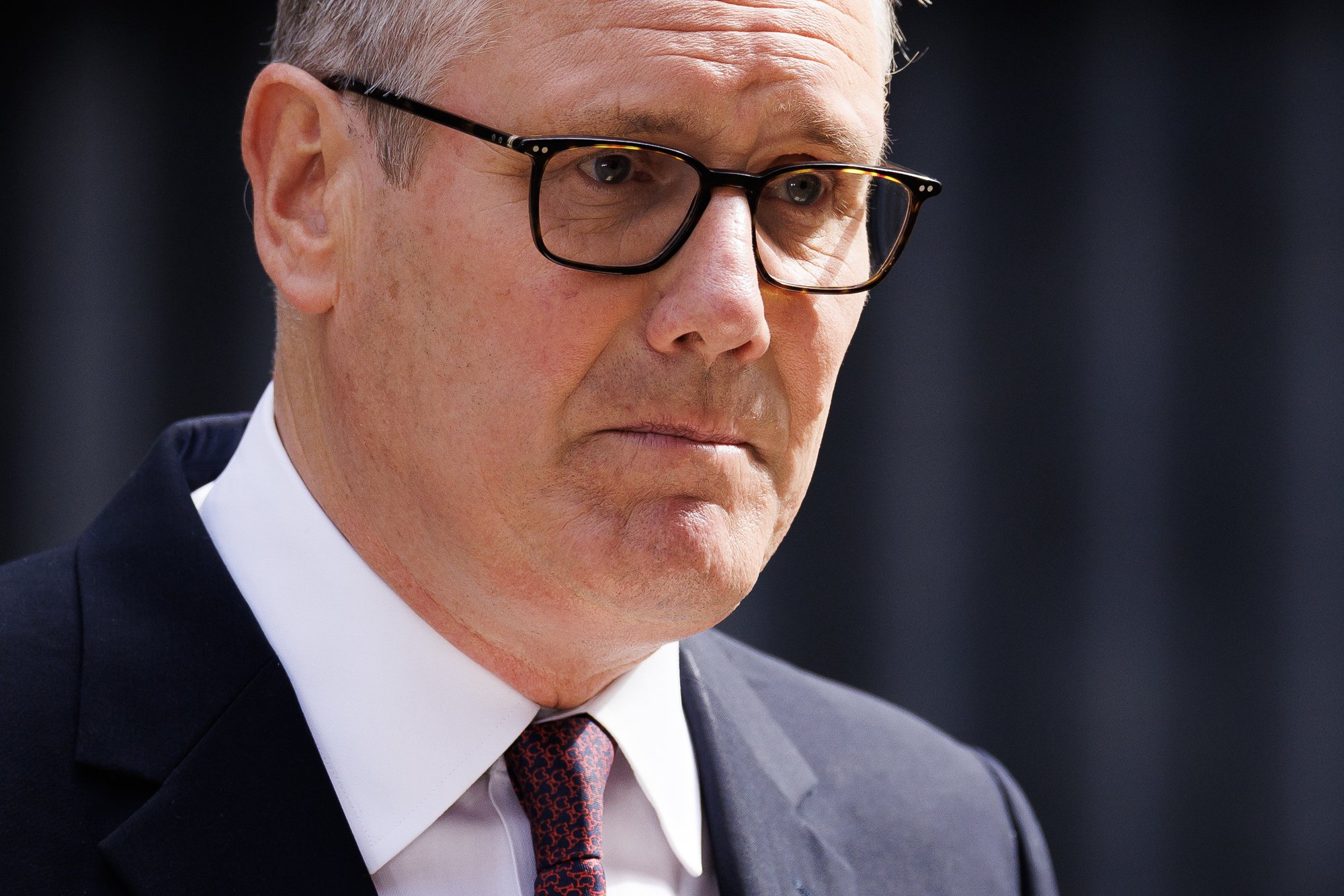
Who is Britain’s next prime minister? Sir Keir Starmer has resigned, and it’s all but certain that the new leader will be Andy Burnham. He’s been in politics since 2001 and has spent the past nine years serving as the mayor of Greater Manchester—a stint that’s made him popular with the Labour Party and the electorate.
Narrative Intelligence Brief
This article was published by The Economist, a source frequently categorized with a center bias based in United Kingdom. Our narrative intelligence engine continuously monitors coverage from this outlet to track framing, bias, and rhetorical patterns. Our initial algorithmic scan of this specific piece did not flag high-confidence rhetorical techniques, suggesting a generally straightforward reporting style or neutral framing. By understanding the editorial perspective of The Economist, readers can better contextualize the information presented and compare it across our broader media matrix to find the real narrative.
More from The Economist
June 23, 2026
How has Brexit changed Britain’s economy? | The Economist
June 22, 2026
Russia’s war economy has problems—but is not about to crash
June 22, 2026
How to turn computing power into a financial asset
June 22, 2026
How to turn compute into a financial asset
June 21, 2026
America’s savings rate has plunged
Analysis Methodology
This narrative analysis was generated using the CoDataLab Global Intelligence Engine. Our proprietary AI scans thousands of cross-border sources to identify sentiment patterns, framing techniques, and potential media bias. While AI provides the data-driven foundation, our objective is to empower readers with additional context beyond the standard headline.The content displayed above is a structured summary designed for rapid information processing. For the full original report, please visit the source outlet.More Coverage
Discussion
"prime"
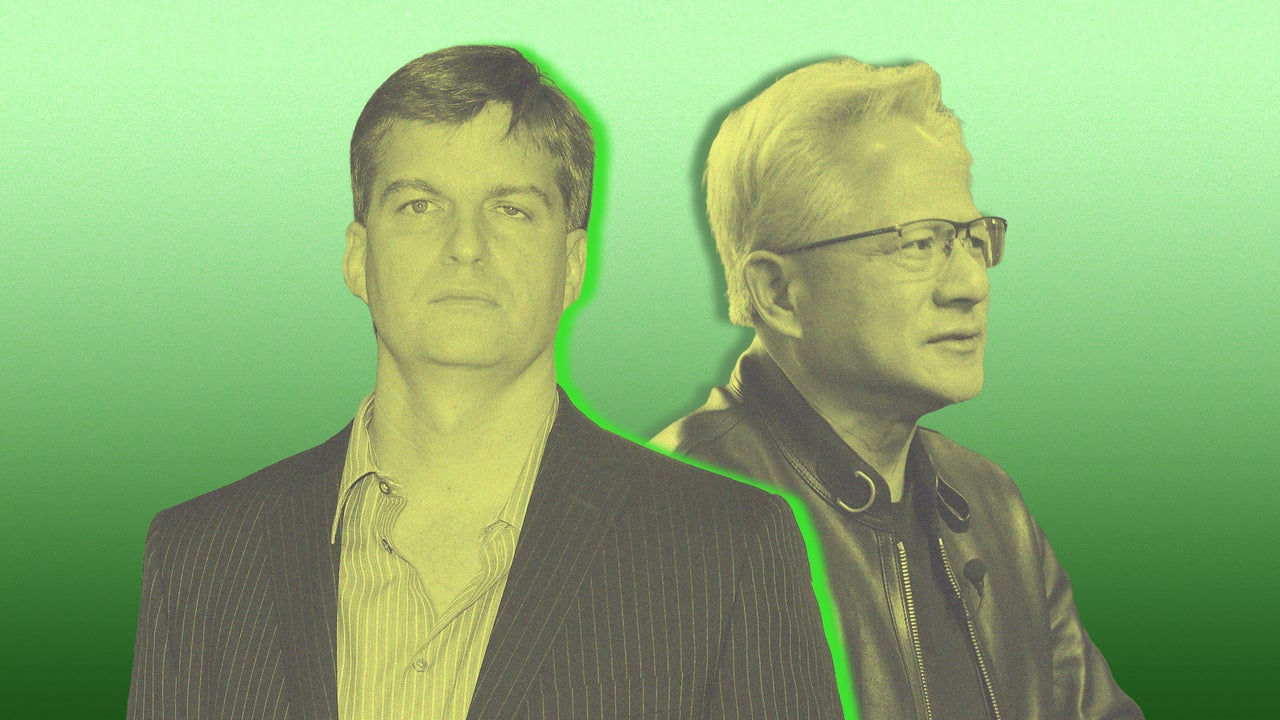
‘The Big Short’ investor issues a dire warning about Nvidia. Here’s why he believes an ‘aggressive fall’ is coming, and how businesses can avoid the same fate
Romania’s Crisis Deepens as Parliament Rejects PM-Designate’s Government

Keir Starmer has gone but Britain’s crisis is about to get even worse