
Today in News History
On July 12, several notable moments in the history of News stand out. In 965, Meng Chang, emperor of Later Shu (born 919) passed away. In 981, Xue Juzheng, Chinese scholar-official and historian passed away. In 1488, Joseon Dynasty official Choe Bu returned to Korea after months of shipwrecked travel in China. In 1527, Lê Cung Hoàng ceded the throne to Mạc Đăng Dung, ending the Lê dynasty and starting the Mạc dynasty. In 1879, Han Yong-un, Korean poet (died 1944) was born. In 1913, The Second Revolution breaks out against the Beiyang government, as Li Liejun proclaims Jiangxi independent from the Republic of China. In 1970, Lee Byung-hun, South Korean actor, singer, and dancer was born. In 1995, Chinese seismologists successfully predict the 1995 Myanmar-China earthquake, reducing the number of casualties to 11. In 2015, Cheng Siwei, Chinese engineer, economist, and politician (born 1935) passed away. In 2015, Tenzin Delek Rinpoche, Tibetan monk and activist (born 1950) passed away. Together, these milestones provide historical context for today's news news and ongoing narratives.
What does China's "Ethnic Unity Law" mean for its ethnic minorities and for Taiwan? | DW News
China began implementing its new, so-called "Ethnic Unity Law" on July 1. Western governments have raised concerns over how Beijing could use the law to forcibly assimilate ethnic minorities and to prosecute people overseas. The Taiwanese government has warned its citizens that they could be targeted. For more news go to: http://www.dw.com/en/ Follow DW on social media: ►Instagram: https://www.instagram.com/dwnews ►TikTok: https://www.tiktok.com/@dwnews ►Facebook: https://www.facebook.com/deutschewellenews/ ►Twitter: https://twitter.com/dwnews Für Videos in deutscher Sprache besuchen Sie: https://www.youtube.com/dwdeutsch Subscribe: https://www.youtube.com/user/deutschewelleenglish?sub_confirmation=1 #dwasia #China #Taiwan
Narrative Intelligence Brief
This article was published by DW News, a source frequently categorized with a lean left bias based in Germany. Our narrative intelligence engine continuously monitors coverage from this outlet to track framing, bias, and rhetorical patterns. Our initial algorithmic scan of this specific piece did not flag high-confidence rhetorical techniques, suggesting a generally straightforward reporting style or neutral framing. By understanding the editorial perspective of DW News, readers can better contextualize the information presented and compare it across our broader media matrix to find the real narrative.
More from DW News
July 12, 2026
How VW's crisis could reshape the global car industry | The Dip
July 12, 2026
Heartbroken but proud: Norwegians react to England World Cup loss | DW News
July 12, 2026
US and Iran exchange strikes after assault on container ship | DW News
July 12, 2026
Public funding helps families pay the rent in Vienna | Focus on Europe
July 12, 2026
Sexual abuse allegations at schools shake France | Focus on Europe
Analysis Methodology
This narrative analysis was generated using the CoDataLab Global Intelligence Engine. Our proprietary AI scans thousands of cross-border sources to identify sentiment patterns, framing techniques, and potential media bias. While AI provides the data-driven foundation, our objective is to empower readers with additional context beyond the standard headline.The content displayed above is a structured summary designed for rapid information processing. For the full original report, please visit the source outlet.More Coverage
Discussion
"lindsey graham"
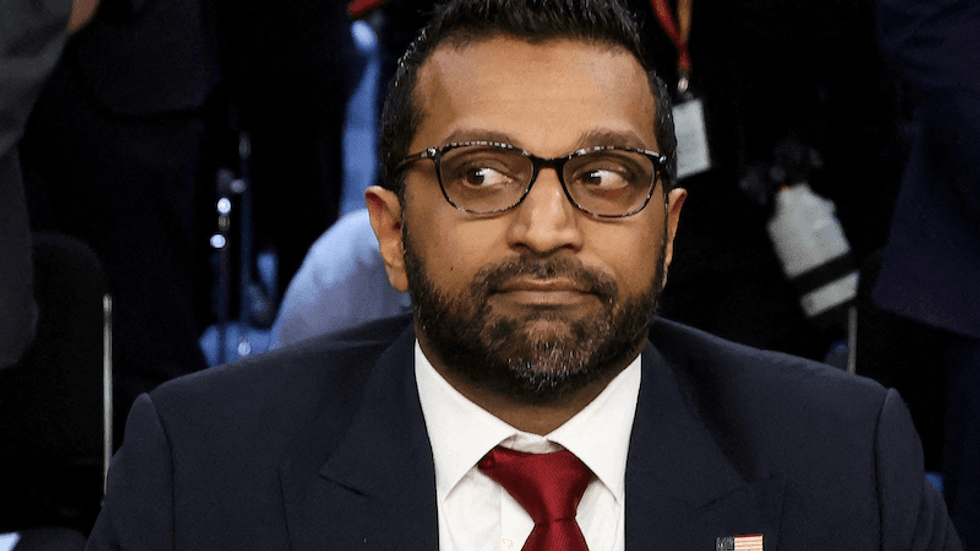
Kash Patel stuns with weird response to Lindsey Graham's death: 'Why is the FBI involved?'
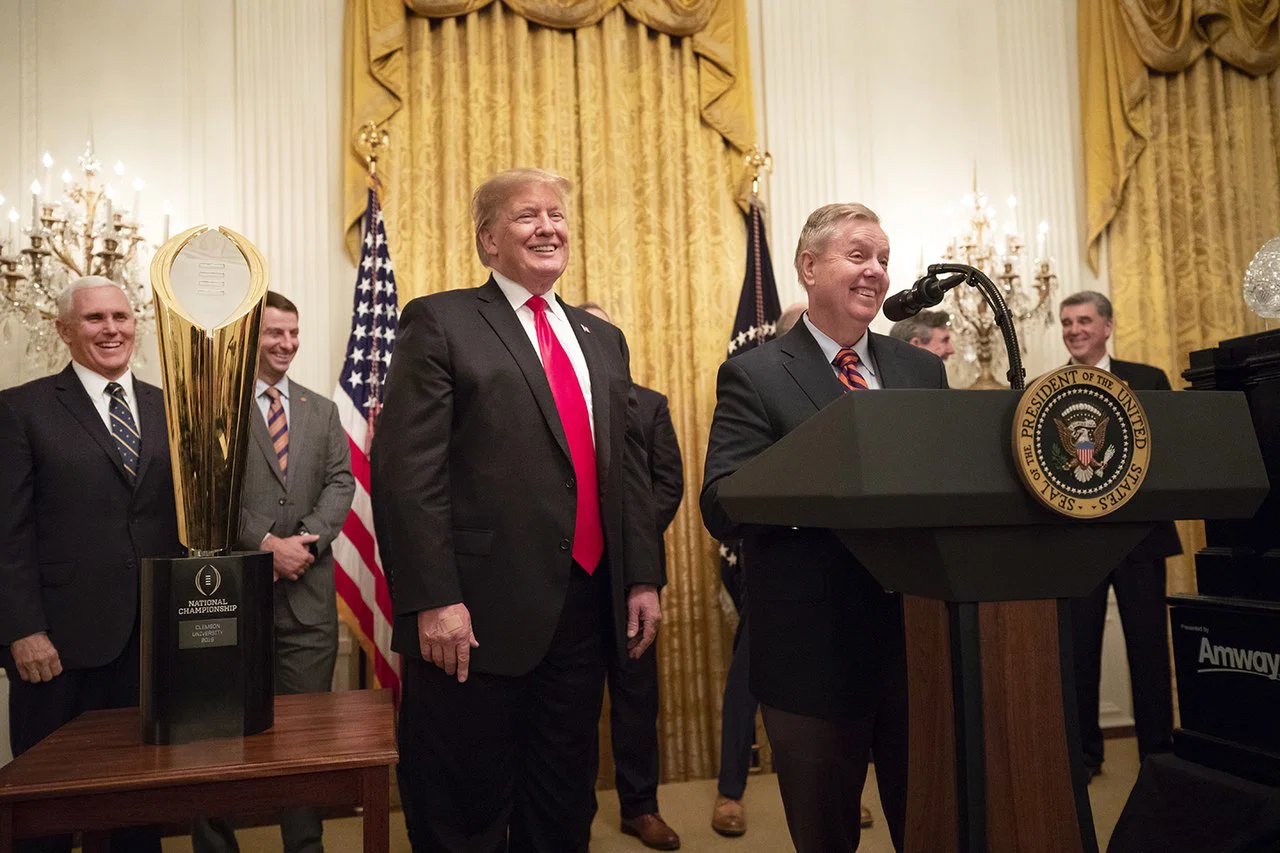
Lindsey Graham death and World Cup semis | Reuters World News

"No Conspiracy": Former Israeli Consul Dismisses Conspiracy Theories about Lindsey Graham's Death
How other outlets are covering this story
Compare narratives across 6 related reports from 6 sources. Real Narrative News aggregates the coverage spectrum so you can see who emphasises what — bias tags reflect the outlet, not the story.
Coverage bias distribution
6 sources
Left 17%
Center 33%
Right 50%
The Eastern Herald
· Jul 2, 2026
China’s Ethnic Unity Law Mandates Mandarin and Extends Beijing’s Reach Abroad
China's ethnic unity law took effect Wednesday, mandating Mandarin instruction for 11 million Uyghurs, Tibetans and Mongolians while extending Beijing's legal reach to individuals abroad. Amnesty International called it forced assimilation; China says it promotes harmony.
Focus Taiwan
· Jun 25, 2026
China's new ethnic unity law vague: MAC
Taipei, June 25 (CNA) Taiwan's Mainland Affairs Council (MAC) said Thursday that China's new ethnic unity law, set to take effect on July 1, contains vaguely defined provisions, and that Beijing has done little to ease international concerns over its extraterritorial reach.
South China Morning Post
· Jul 12, 2026
Why China’s ethnic unity law marks shift in policy towards assimilation
China’s new law on ethnic unity signals a shift in Beijing’s focus from handling specific ethnic matters to assimilation, according to a party ethnologist. The Law on Promoting Ethnic Unity and Progress, which took effect this month, provides a framework that analysts say is designed to counter Western ideological influence and provide a statutory mandate for assimilating minority groups. However, it has triggered concerns from the United States and the European Union about forced assimilation...
Vision Times
· Jul 6, 2026
Taiwan Officials Warn CCP’s New Ethnic Unity Law ‘Legalizes Transnational Repression’
China’s Ethnic Unity and Progress Promotion Law officially came into effect on July 1. Taiwanese national security officials say the legislation is the world’s first law to institutionalize what they describe as transnational repression through domestic legislation. According to officials, the law not only closely links “ethnic unity” with national security and political loyalty, but []
Egypt Independent
· Jul 2, 2026
China tells its ethnic minorities to integrate or face consequences with sweeping new unity law
Beijing — For years, Chinese leader Xi Jinping has pushed ethnic minority groups like Tibetans and Uyghurs to adopt an identity rooted in Chinese nationality and allegiance to the ruling Communist Party. Now, that push has been codified into a sweeping new law that reaches into classrooms, neighborhoods and homes – and gives Beijing the right The post China tells its ethnic minorities to integrate or face consequences with sweeping new unity law appeared first on Egypt Independent.
Armstrong Economics
· Jun 26, 2026
China Moves on Taiwan – Ethnic Unity Law
China has now openly declared that it believes it has the legal right to pursue people beyond its own borders under its new Ethnic Unity Law, which takes effect on July 1. Beijing insists the law is “legitimate, lawful, necessary, and feasible,” and argues that every nation has the right to suppress separatism. The legislation []
Topics:
Related coverage for "What does China's "Ethnic Unity Law" mean for its ethnic minorities and for Taiwan? | DW News": The Eastern Herald — China’s Ethnic Unity Law Mandates Mandarin and Extends Beijing’s Reach Abroad. Focus Taiwan — China's new ethnic unity law vague: MAC. South China Morning Post — Why China’s ethnic unity law marks shift in policy towards assimilation. Vision Times — Taiwan Officials Warn CCP’s New Ethnic Unity Law ‘Legalizes Transnational Repression’. Egypt Independent — China tells its ethnic minorities to integrate or face consequences with sweeping new unity law. Armstrong Economics — China Moves on Taiwan – Ethnic Unity Law