Today in News History
On July 9, several notable moments in the history of News stand out. In 1706, Pierre Le Moyne d'Iberville, Canadian captain and explorer (born 1661) passed away. In 1764, Ann Ward, English author and poet (died 1823) was born. In 1811, Explorer David Thompson posts a sign near what is now Sacajawea State Park in Washington state, claiming the Columbia District for the United Kingdom. In 1863, American Civil War: The Siege of Port Hudson ends in a Union victory and, along with the fall of Vicksburg five days earlier, gives the Union complete control of the Mississippi River. In 1887, Samuel Eliot Morison, American admiral and historian (died 1976) was born. In 1917, Krystyna Dańko, Polish orphan, survivor of Holocaust (died 2019) was born. In 1918, In Nashville, Tennessee, an inbound local train collides with an outbound express, killing 101 and injuring 171 people, making it the deadliest rail accident in United States history. In 1932, The state of São Paulo revolts against the Brazilian Federal Government, starting the Constitutionalist Revolution. In 1979, Cornelia Otis Skinner, American actress and author (born 1899) passed away. In 2010, Jessica Anderson, Australian author and playwright (born 1916) passed away. Together, these milestones provide historical context for today's news news and ongoing narratives.
Victorians enter a second day with no regional trains
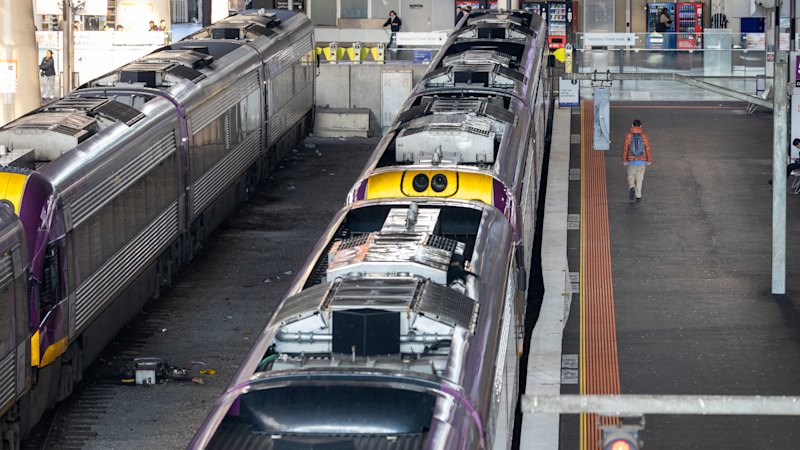
Travellers are counting the cost in time and fuel as V/Line trains remain at a standstill, more than 24 hours after the nationwide Telstra outage began.
Narrative Intelligence Brief
This article was published by Brisbane Times, a source frequently categorized with a center bias based in Australia. Our narrative intelligence engine continuously monitors coverage from this outlet to track framing, bias, and rhetorical patterns. Our initial algorithmic scan of this specific piece did not flag high-confidence rhetorical techniques, suggesting a generally straightforward reporting style or neutral framing. By understanding the editorial perspective of Brisbane Times, readers can better contextualize the information presented and compare it across our broader media matrix to find the real narrative.
More from Brisbane Times
July 8, 2026
Olympic school builds blow out budgets, shift deadlines again
July 8, 2026
Thick fog in Melbourne to linger until midday
July 8, 2026
Adelaide man's epic Maldives ocean proposal
July 8, 2026
Telecommunications ombudsman addresses Telstra outage
July 8, 2026
‘A lot of fight left’: The 36-minute Origin cameo poised to ignite Reece Walsh’s season
Analysis Methodology
This narrative analysis was generated using the CoDataLab Global Intelligence Engine. Our proprietary AI scans thousands of cross-border sources to identify sentiment patterns, framing techniques, and potential media bias. While AI provides the data-driven foundation, our objective is to empower readers with additional context beyond the standard headline.The content displayed above is a structured summary designed for rapid information processing. For the full original report, please visit the source outlet.More Coverage
Discussion
"strikes iran"
JUST IN: US STRIKES IRAN AGAIN…WAR UPDATES 7/7/26

US strikes Iran again, CENTCOM says it aims to “further degrade” threats to freedom of navigation in Strait of Hormuz
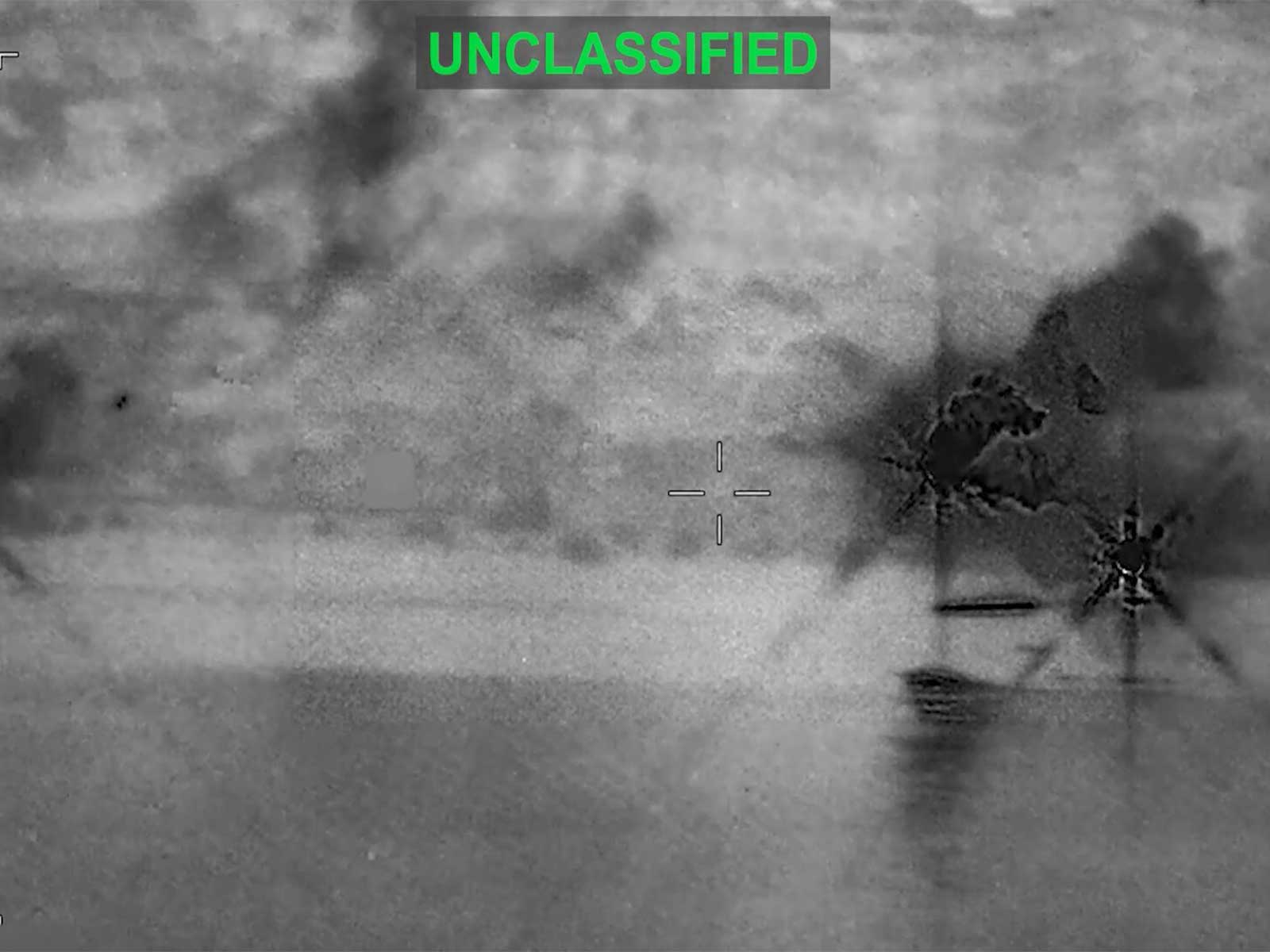
US strikes Iran for second night as Trump says ceasefire is ‘over’