
Today in News History
On July 2, several notable moments in the history of News stand out. In 437, Emperor Valentinian III begins his reign over the Western Roman Empire. His mother Galla Placidia ends her regency, but continues to exercise political influence at the court in Rome. In 862, Swithun, English bishop and saint (born 789) passed away. In 1489, Thomas Cranmer, English archbishop, theologian, and saint (died 1556) was born. In 1494, The Treaty of Tordesillas is ratified by Spain. In 1500, Federico Cesi (cardinal), Italian cardinal (died 1565) was born. In 1667, Pietro Ottoboni, Italian cardinal and art collector (died 1740) was born. In 1900, Jean Sibelius' Finlandia receives its première performance in Helsinki with the Helsinki Philharmonic Society conducted by Robert Kajanus. In 1960, Maria Lourdes Sereno, Filipino lawyer and jurist, 24th Chief Justice of the Supreme Court of the Philippines was born. In 1988, Marcel Lefebvre and the four bishops he consecrated were excommunicated by the Holy See. In 2013, Anthony G. Bosco, American bishop (born 1927) passed away. Together, these milestones provide historical context for today's news news and ongoing narratives.
Vatican declares Society of St. Pius X in schism, excommunicates bishops
The Vatican responded Thursday to a traditionalist society that consecrated bishops without the pope's consent, declaring the Society of St. Pius X in schism and excommunicating its bishops and priests.
Narrative Intelligence Brief
This article was published by NPR News, a source frequently categorized with a lean left bias based in United States of America. Our narrative intelligence engine continuously monitors coverage from this outlet to track framing, bias, and rhetorical patterns. Our initial algorithmic scan of this specific piece did not flag high-confidence rhetorical techniques, suggesting a generally straightforward reporting style or neutral framing. By understanding the editorial perspective of NPR News, readers can better contextualize the information presented and compare it across our broader media matrix to find the real narrative.
More from NPR News
July 2, 2026
Trump denies conflict of interest over crypto. And, Vatican excommunicates rebel group
July 2, 2026
Democratic socialists pose a challenge for the party as midterms approach
July 2, 2026
The rise of democratic socialists and what it means for the party
July 2, 2026
U.S. and Iran hold separate meetings in Qatar and agree to continue discussions
July 2, 2026
A major Russian attack kills 17 in Kyiv as Ukraine keeps striking Moscow's oil sector
Analysis Methodology
This narrative analysis was generated using the CoDataLab Global Intelligence Engine. Our proprietary AI scans thousands of cross-border sources to identify sentiment patterns, framing techniques, and potential media bias. While AI provides the data-driven foundation, our objective is to empower readers with additional context beyond the standard headline.The content displayed above is a structured summary designed for rapid information processing. For the full original report, please visit the source outlet.More Coverage
Discussion
"donald trump"
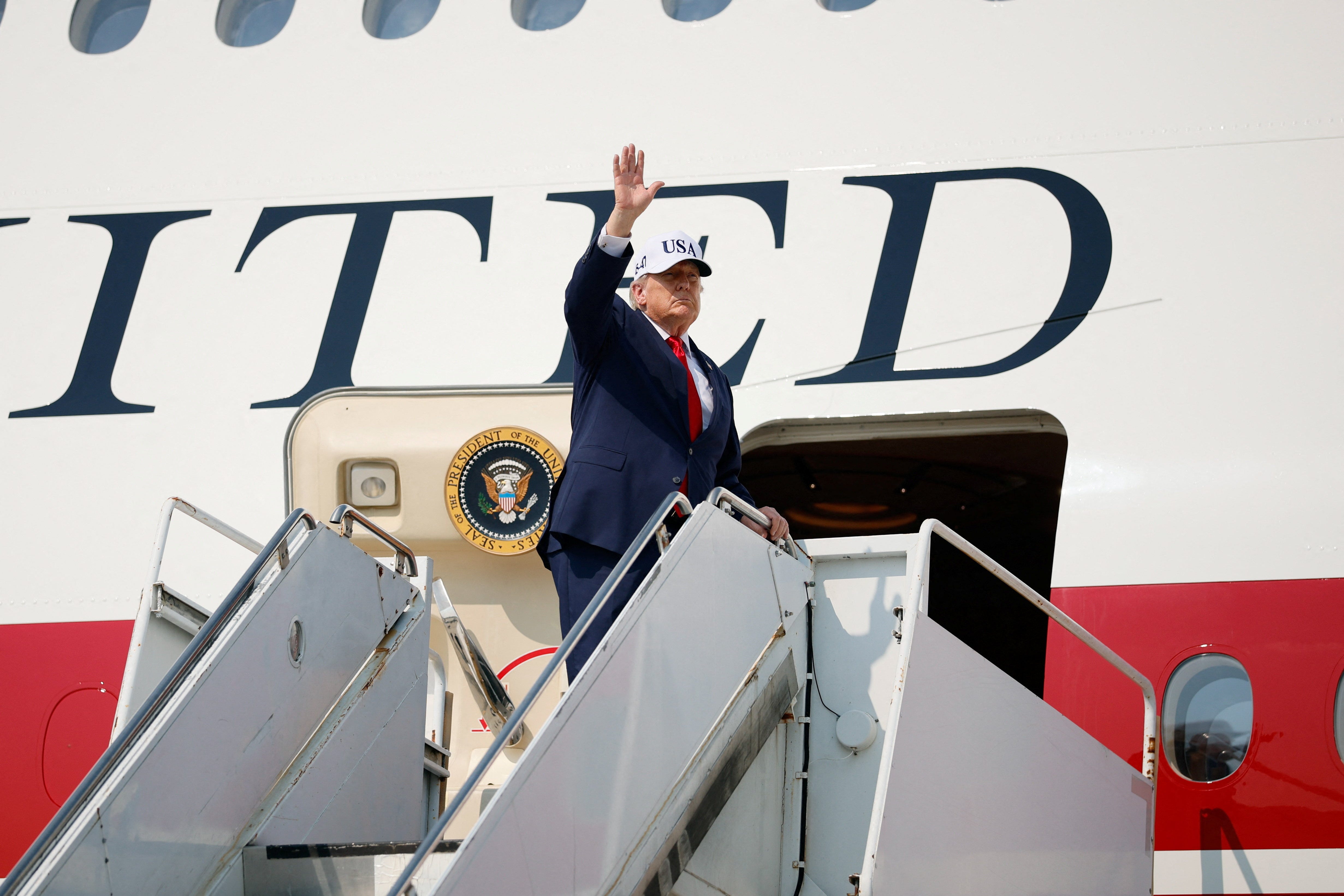
✈️ America’s Most Corrupt President Rides World’s Largest Metaphor for Corruption
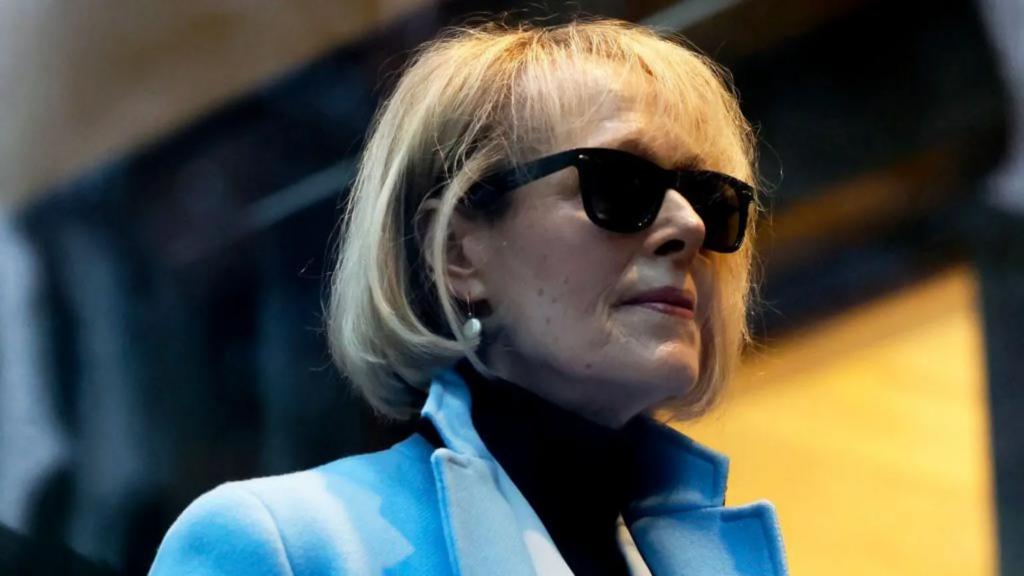
‘Time for him to pay’ – Carroll calls on Trump to pay $5m after president’s appeal fails
Lead singer of Village People dies aged 74 following ‘short but aggressive’ illness
