
Today in News History
On June 19, several notable moments in the history of News stand out. In 1884, Juan Bautista Alberdi, Argentinian-French politician and diplomat (born 1810) passed away. In 1917, Joshua Nkomo, Zimbabwean guerrilla leader and politician, Vice President of Zimbabwe (died 1999) was born. In 1957, Subcomandante Marcos, Mexican insurgent and EZLN leader was born. In 1959, Christian Wulff, German lawyer and politician, 10th President of Germany was born. In 1998, Joshua Da Silva, Trinidadian cricketer was born. In 2007, Ze'ev Schiff, Israeli journalist and author (born 1932) passed away. In 2009, War in North-West Pakistan: The Pakistani Armed Forces open Operation Rah-e-Nijat against the Taliban and other Islamist rebels in the South Waziristan area of the Federally Administered Tribal Areas. In 2010, Carlos Monsiváis, Mexican writer, journalist and political activist (born 1938) passed away. In 2012, WikiLeaks founder Julian Assange requests asylum in London's Ecuadorian Embassy for fear of extradition to the US after publication of previously classified documents including footage of civilian killings by the US army. In 2013, Vince Flynn, American author (born 1966) passed away. Together, these milestones provide historical context for today's news news and ongoing narratives.
Vance tasked with defending Trump's Iran deal
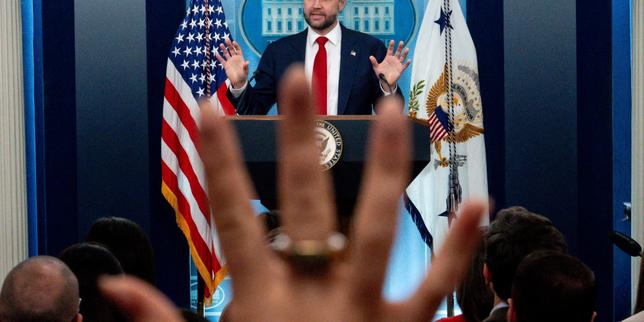
The American vice president defended the signing of the framework agreement at the White House on Thursday, which faced criticism from both the right and the left in the US. He strongly responded to criticism from Israeli officials.
Narrative Intelligence Brief
This article was published by Le Monde, a source frequently categorized with a lean left bias based in France. Our narrative intelligence engine continuously monitors coverage from this outlet to track framing, bias, and rhetorical patterns. Our initial algorithmic scan of this specific piece did not flag high-confidence rhetorical techniques, suggesting a generally straightforward reporting style or neutral framing. By understanding the editorial perspective of Le Monde, readers can better contextualize the information presented and compare it across our broader media matrix to find the real narrative.
More from Le Monde
June 19, 2026
Vance's stark warning to Israeli leaders: 'Donald J. Trump is the only head of state in the entire world who is sympathetic to the nation of Israel'
June 19, 2026
Bruno Mars brings funk and romance to Paris
June 19, 2026
Ukrainian defense manufacturers seek their footing as headliners at Eurosatory arms fair in Paris
June 19, 2026
EU hails turning tide for Ukraine, yet membership path remains uncertain
June 19, 2026
Labour's Andy Burnham, Keir Starmer's rival, wins by-election and secures Parliament seat
Analysis Methodology
This narrative analysis was generated using the CoDataLab Global Intelligence Engine. Our proprietary AI scans thousands of cross-border sources to identify sentiment patterns, framing techniques, and potential media bias. While AI provides the data-driven foundation, our objective is to empower readers with additional context beyond the standard headline.The content displayed above is a structured summary designed for rapid information processing. For the full original report, please visit the source outlet.More Coverage
Discussion
"cup"
Canada Soccer Star Ismaël Koné Suffers Brutal Leg Injury at World Cup

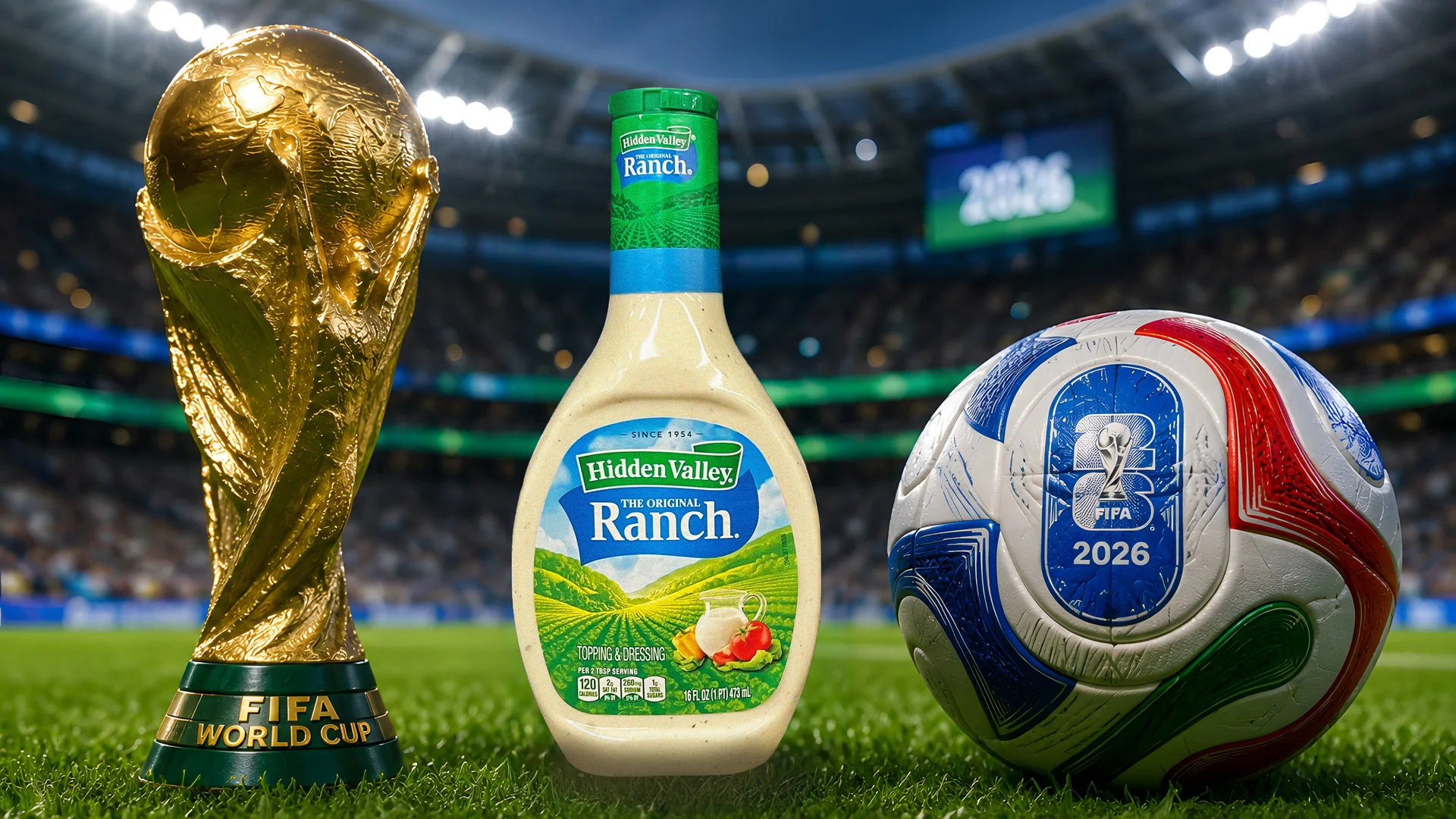
‘Living in a Movie’: World Cup Fans Are Losing Their Minds Over This U.S. Staple—and It’s Causing Chaos at Airports
Six arrested during England’s World Cup win – including for criminal trespass
