Today in News History
On June 17, several notable moments in the history of News stand out. In 656, Uthman, caliph of the Rashidun Caliphate (born 579) passed away. In 1900, Boxer Rebellion: Western Allied and Japanese forces capture the Taku Forts in Tianjin, China. In 1940, World War II: The British Army's 11th Hussars assault and take Fort Capuzzo in Libya, Africa from Italian forces. In 1940, The three Baltic states of Estonia, Latvia and Lithuania fall under the occupation of the Soviet Union. In 1948, Dave Concepción, Venezuelan baseball player and manager was born. In 1957, Uģis Prauliņš, Latvian composer was born. In 1958, Sam Hamad, Syrian-Canadian academic and politician was born. In 1966, Mohammed Ghazy Al-Akhras, Iraqi journalist and author was born. In 1967, Nuclear weapons testing: China announces a successful test of its first thermonuclear weapon. In 1992, A "joint understanding" agreement on arms reduction is signed by U.S. President George Bush and Russian President Boris Yeltsin (this would be later codified in START II). Together, these milestones provide historical context for today's news news and ongoing narratives.
Vance outlines three pillars of Iran peace framework: No nuclear weapon, open Hormuz, conditional relief
Narrative Analysis: Glittering Generalities

US Vice President JD Vance described that the peace agreement between Washington and Tehran stands centred on three key pillars-- preventing Iran from acquiring a nuclear weapon, ensuring the Strait of Hormuz remains open and offering economic incentives to Iran if the country transforms itself.
Narrative Intelligence Brief
This article was published by The Tribune, a source frequently categorized with a center bias based in India. Our narrative intelligence engine continuously monitors coverage from this outlet to track framing, bias, and rhetorical patterns. In this specific piece, our systems detected the potential use of the "Glittering Generalities" technique. This narrative approach is often used to shape reader perception by highlighting specific emotional or rhetorical angles. By understanding the editorial perspective of The Tribune, readers can better contextualize the information presented and compare it across our broader media matrix to find the real narrative.
More from The Tribune
June 17, 2026
India-Canada reaffirm objective to conclude CEPA talks in 2026
June 17, 2026
Italian Embassy to launch ‘One Mother, Many Mother Tongues’ exhibition in Humayun’s Tomb Museum
June 17, 2026
G7 Evian: Japan introduces ‘POWERR Asia’ initiative; receives support on strengthening global oil stockpiles
June 17, 2026
Taiwan detects 6 Chinese naval vessels around its territory
June 17, 2026
US Intel report says Iran now has powers to shut Strait of Hormuz at will
Reliability Insights
P
Technique: Glittering Generalities
System analysis detected use of specific narrative techniques in this piece.Analysis Methodology
This narrative analysis was generated using the CoDataLab Global Intelligence Engine. Our proprietary AI scans thousands of cross-border sources to identify sentiment patterns, framing techniques, and potential media bias. While AI provides the data-driven foundation, our objective is to empower readers with additional context beyond the standard headline.The content displayed above is a structured summary designed for rapid information processing. For the full original report, please visit the source outlet.More Coverage
Discussion
"cup"
Football Daily | ‘Pico’ Lopes and Cape Verde give Spain’s boys one hell of a neutralising

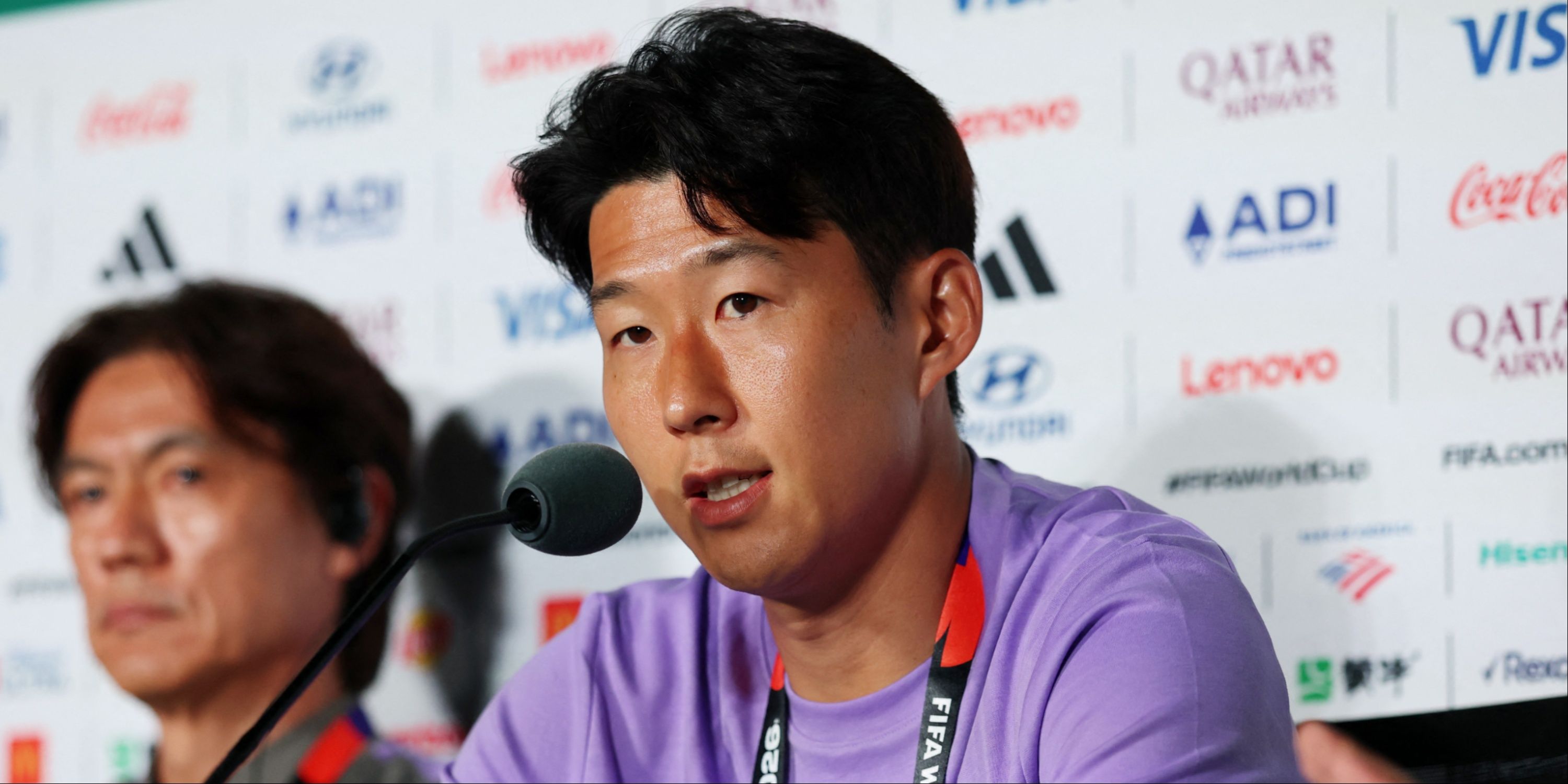
Son Heung-min Boycotts South Korea Media Over ‘Leaked Derogatory Remarks’
The backlash against AI reveals it’s a terrible scapegoat