Today in News History
On June 19, several notable moments in the history of News stand out. In 1917, Joshua Nkomo, Zimbabwean guerrilla leader and politician, Vice President of Zimbabwe (died 1999) was born. In 1947, Salman Rushdie, Indian-English novelist and essayist was born. In 1951, Ayman al-Zawahiri, Egyptian terrorist (died 2022) was born. In 1957, Subcomandante Marcos, Mexican insurgent and EZLN leader was born. In 1977, Ali Shariati, Iranian sociologist and philosopher (born 1933) passed away. In 1987, Basque separatist group ETA commits one of its most violent attacks, in which a bomb is set off in a supermarket, Hipercor, killing 21 and injuring 45. In 2007, The al-Khilani Mosque bombing in Baghdad leaves 78 people dead and another 218 injured. In 2009, War in North-West Pakistan: The Pakistani Armed Forces open Operation Rah-e-Nijat against the Taliban and other Islamist rebels in the South Waziristan area of the Federally Administered Tribal Areas. In 2009, Mass riots involving over 10,000 people and 10,000 police officers break out in Shishou, China, over the dubious circumstances surrounding the death of a local chef. In 2020, Animal rights advocate Regan Russell is run over and killed by a transport truck outside of a pig slaughterhouse in Burlington, Ontario. Together, these milestones provide historical context for today's news news and ongoing narratives.
Vance is wrong, Iran oil sales will obviously fund terrorism
Narrative Analysis: Name Calling
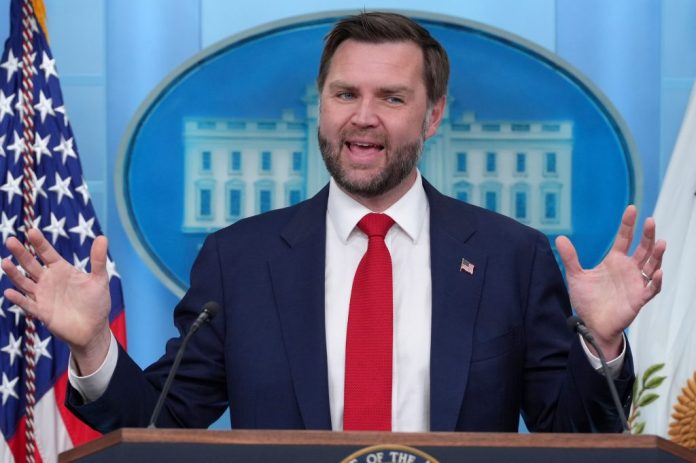
The U.S.-Iran memorandum of understanding to end the war with Iran is as feeble for U.S. and allied interests as the war was foolish. The MOU provides Iran with immediate, significant financial benefits and defers the instrumental question of Iran’s nuclear program to future talks. As the U.S. intelligence community has assessed, it is highly []
Narrative Intelligence Brief
This article was published by Washington Examiner, a source frequently categorized with a lean right bias based in United States of America. Our narrative intelligence engine continuously monitors coverage from this outlet to track framing, bias, and rhetorical patterns. In this specific piece, our systems detected the potential use of the "Name Calling" technique. This narrative approach is often used to shape reader perception by highlighting specific emotional or rhetorical angles. By understanding the editorial perspective of Washington Examiner, readers can better contextualize the information presented and compare it across our broader media matrix to find the real narrative.
More from Washington Examiner
June 19, 2026
Far left is ‘expanding’ in the Democratic Party: Guy Benson
June 19, 2026
The Iran deal breaks virtually every one of Trump’s promises
June 19, 2026
Former Larry Krasner supervisor suspended for three years after misleading judge in death penalty case
June 19, 2026
Swing-district Republican opposed regime change, bombing Iran as 2024 candidate for House
June 19, 2026
California councilmembers refuse to leave office, sparking legal battle with residents
Reliability Insights
P
Technique: Name Calling
System analysis detected use of specific narrative techniques in this piece.Analysis Methodology
This narrative analysis was generated using the CoDataLab Global Intelligence Engine. Our proprietary AI scans thousands of cross-border sources to identify sentiment patterns, framing techniques, and potential media bias. While AI provides the data-driven foundation, our objective is to empower readers with additional context beyond the standard headline.The content displayed above is a structured summary designed for rapid information processing. For the full original report, please visit the source outlet.More Coverage
Discussion
"cup"
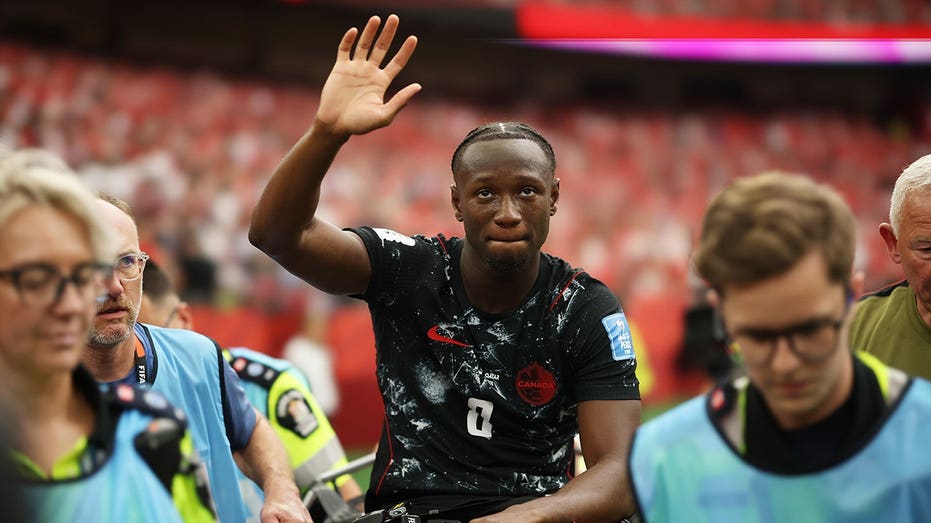
Canada Soccer Star Ismaël Koné Suffers Brutal Leg Injury at World Cup

Cristiano Ronaldo’s Sister Supports Bruno Fernandes’ Criticism After Portugal’s World Cup Draw

Canada's Ismaël Koné suffers horrific injury as Qatar's Assim Madibo gets red card for poor tackle