Today in News History
On July 9, several notable moments in the history of News stand out. In 551, A major earthquake strikes Beirut, triggering a devastating tsunami that affects the coastal towns of Byzantine Phoenicia, causing thousands of deaths. In 969, The Fatimid general Jawhar leads the Friday prayer in Fustat in the name of Caliph al-Mu'izz li-Din Allah, thereby symbolically completing the Fatimid conquest of Egypt. In 1401, Timur attacks the Jalairid Sultanate and destroys Baghdad. In 1850, Persian prophet Báb is executed in Tabriz, Persia. In 1944, World War II: American forces take Saipan, bringing the Japanese archipelago within range of B-29 raids, and causing the downfall of the Tojo government. In 1995, The Navaly church bombing is carried out by the Sri Lanka Air Force killing 125 Tamil civilian refugees. In 1997, A Fokker 100 from the Brazilian airline TAM launches engineer Fernando Caldeira de Moura Campos into 2,400 meters of free fall after an explosion that depressurized the aircraft. In 1999, Days of student protests begin after Iranian police and hardliners attack a student dormitory at the University of Tehran. In 2004, The Senate Report on Iraqi WMD Intelligence is released by the United States Senate Select Committee on Intelligence, casting doubt on the rationale for the Iraq War. In 2006, One hundred and twenty-five people are killed when S7 Airlines Flight 778, an Airbus A310 passenger jet, veers off the runway while landing in wet conditions at Irkutsk Airport in Siberia. Together, these milestones provide historical context for today's news news and ongoing narratives.
US launches new airstrikes on Iran and Tehran fires back at Gulf Arab states
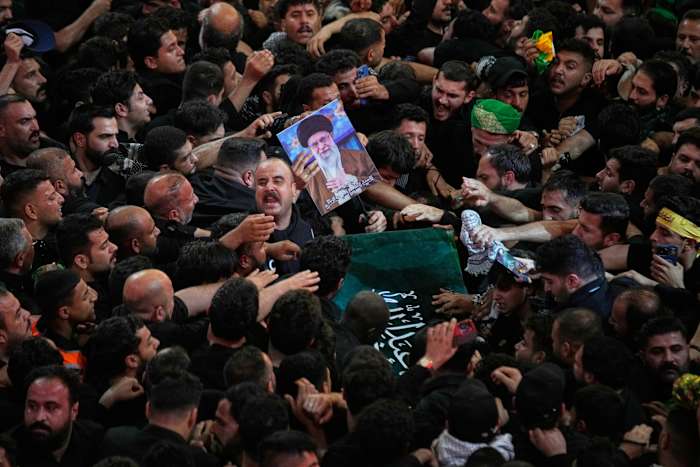
The United States launched new airstrikes against Iran early Thursday, and Tehran responded by targeting Bahrain, Kuwait and Qatar in crossfire that again threatened an interim deal intended to help end the war.
Narrative Intelligence Brief
This article was published by KSAT San Antonio, a source frequently categorized with a center bias based in United States of America. Our narrative intelligence engine continuously monitors coverage from this outlet to track framing, bias, and rhetorical patterns. Our initial algorithmic scan of this specific piece did not flag high-confidence rhetorical techniques, suggesting a generally straightforward reporting style or neutral framing. By understanding the editorial perspective of KSAT San Antonio, readers can better contextualize the information presented and compare it across our broader media matrix to find the real narrative.
More from KSAT San Antonio
July 9, 2026
Prosecutors plan to play redacted statements from roommate of defendant in Charlie Kirk's killing
July 9, 2026
‘Everything is gone’: Family shares heartbreak after driver drag racing hits, kills 17-year-old girl
July 9, 2026
Crowd demands justice at vigil for Houston man killed in ICE shooting
July 9, 2026
San Antonio Mayor’s Commission on Voting wants public feedback on its recommendations
July 9, 2026
The actors of 'The Pitt' own the Emmy acting categories with 13 nominated cast members
Analysis Methodology
This narrative analysis was generated using the CoDataLab Global Intelligence Engine. Our proprietary AI scans thousands of cross-border sources to identify sentiment patterns, framing techniques, and potential media bias. While AI provides the data-driven foundation, our objective is to empower readers with additional context beyond the standard headline.The content displayed above is a structured summary designed for rapid information processing. For the full original report, please visit the source outlet.More Coverage
Discussion
"strikes iran"
US strikes Iran again after Trump's ‘ceasefire over’ remark; port cities among key targets

US strikes Iran again, CENTCOM says it aims to “further degrade” threats to freedom of navigation in Strait of Hormuz
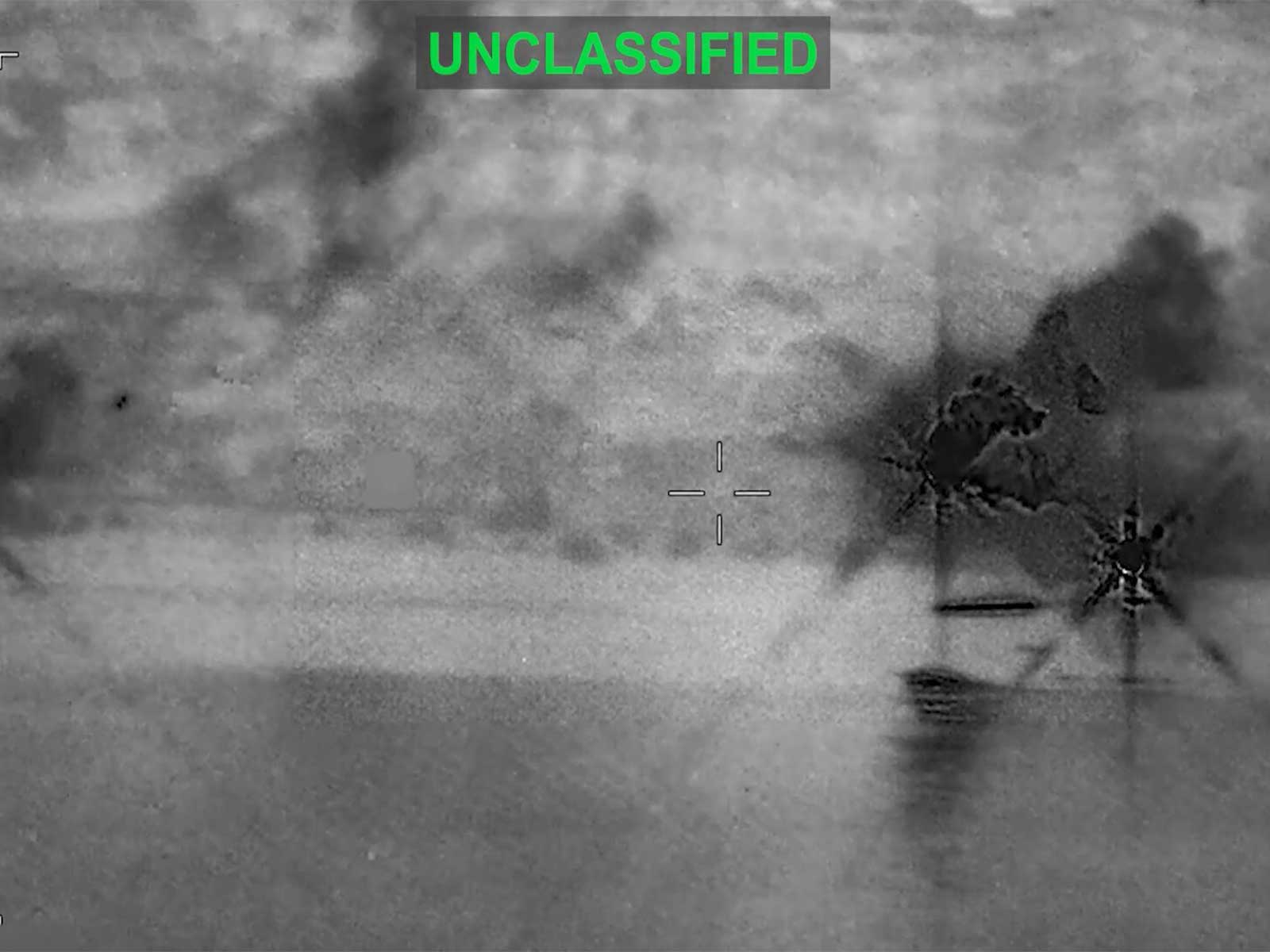
US strikes Iran for second night as Trump says ceasefire is ‘over’