Today in News History
On July 9, several notable moments in the history of News stand out. In 551, A major earthquake strikes Beirut, triggering a devastating tsunami that affects the coastal towns of Byzantine Phoenicia, causing thousands of deaths. In 1807, The second Treaty of Tilsit is signed between France and Prussia, ending the War of the Fourth Coalition. In 1850, Persian prophet Báb is executed in Tabriz, Persia. In 1875, The Herzegovina Uprising against Ottoman rule begins, which would last until 1878 and have far-reaching implications throughout the Balkans. In 1937, Oliver Law, American commander (born 1899) passed away. In 1944, World War II: American forces take Saipan, bringing the Japanese archipelago within range of B-29 raids, and causing the downfall of the Tojo government. In 1955, The Russell-Einstein Manifesto calls for a reduction of the risk of nuclear warfare. In 1986, The New Zealand Parliament passes the Homosexual Law Reform Act legalising homosexuality in New Zealand. In 1999, Days of student protests begin after Iranian police and hardliners attack a student dormitory at the University of Tehran. In 2011, A rally takes place in Kuala Lumpur, Malaysia to call for fairer elections in the country. Together, these milestones provide historical context for today's news news and ongoing narratives.
US-Iran skirmishes are the new norm
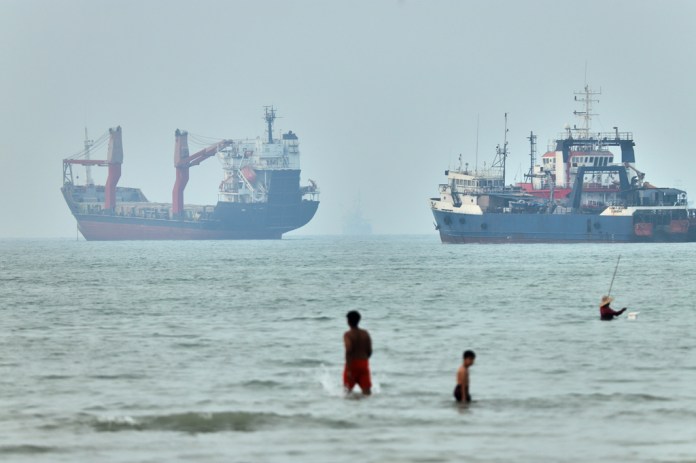
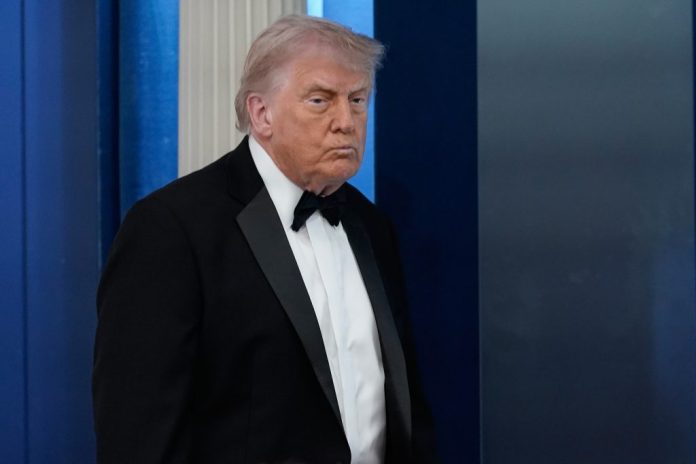
The latest, continuing skirmish between the United States and Iran will be the new norm. Neither country wants a return to war, given that war is highly unlikely to lead to a decisive result in either direction. But Iran’s regional ambitions and anti-Americanism will drive it to keep testing American patience. In turn, President Donald []
Narrative Intelligence Brief
This article was published by Washington Examiner, a source frequently categorized with a lean right bias based in United States of America. Our narrative intelligence engine continuously monitors coverage from this outlet to track framing, bias, and rhetorical patterns. Our initial algorithmic scan of this specific piece did not flag high-confidence rhetorical techniques, suggesting a generally straightforward reporting style or neutral framing. By understanding the editorial perspective of Washington Examiner, readers can better contextualize the information presented and compare it across our broader media matrix to find the real narrative.
More from Washington Examiner
July 9, 2026
Republican congressman says he’s unsure if Mitch McConnell is alive: ‘Very discouraging’
July 9, 2026
The fabled Iranian moderate has fooled America for 50 years
July 9, 2026
Democrats break out the Biden playbook to break up with Platner
July 9, 2026
Hormuz tanker traffic grinds to a halt
July 9, 2026
Putin could escalate Ukraine war after September elections, Czech president warns
Analysis Methodology
This narrative analysis was generated using the CoDataLab Global Intelligence Engine. Our proprietary AI scans thousands of cross-border sources to identify sentiment patterns, framing techniques, and potential media bias. While AI provides the data-driven foundation, our objective is to empower readers with additional context beyond the standard headline.The content displayed above is a structured summary designed for rapid information processing. For the full original report, please visit the source outlet.More Coverage
Discussion
"donald trump"
Trump’s Son Wipes $600M From Family Fortune With Disastrous Bet

Donald Trump's disturbing death joke to female journalist over Iran assassination threat exposed

Trump rightly calls off wedding after Iran’s abusive engagement