
Today in News History
On June 29, several notable moments in the history of News stand out. In 1170, A major earthquake hits Syria, badly damaging towns such as Hama and Shaizar and structures such as the Krak des Chevaliers and the cathedral of St. Peter in Antioch. In 1457, The Dutch city of Dordrecht is devastated by fire. In 1807, Russo-Turkish War: Admiral Dmitry Senyavin destroys the Ottoman fleet in the Battle of Athos. In 1874, Greek politician Charilaos Trikoupis publishes a manifesto in the Athens daily Kairoi entitled "Who's to Blame?" leveling complaints against King George. Trikoupis is elected Prime Minister of Greece the next year. In 1950, Korean War: U.S. President Harry S. Truman authorizes a sea blockade of Korea. In 1957, Gurbanguly Berdimuhamedow, Turkmen dentist and politician, 2nd President of Turkmenistan was born. In 2002, Naval clashes between South Korea and North Korea lead to the death of six South Korean sailors and sinking of a North Korean vessel. In 2006, Hamdan v. Rumsfeld: The U.S. Supreme Court rules that President George W. Bush's plan to try Guantanamo Bay detainees in military tribunals violates U.S. and international law. In 2012, A derecho sweeps across the eastern United States, leaving at least 22 people dead and millions without power. In 2014, The Islamic State of Iraq and the Levant self-declares its caliphate in Syria and northern Iraq. Together, these milestones provide historical context for today's news news and ongoing narratives.
US and Iran Agree to Halt Attacks Ahead of Talks
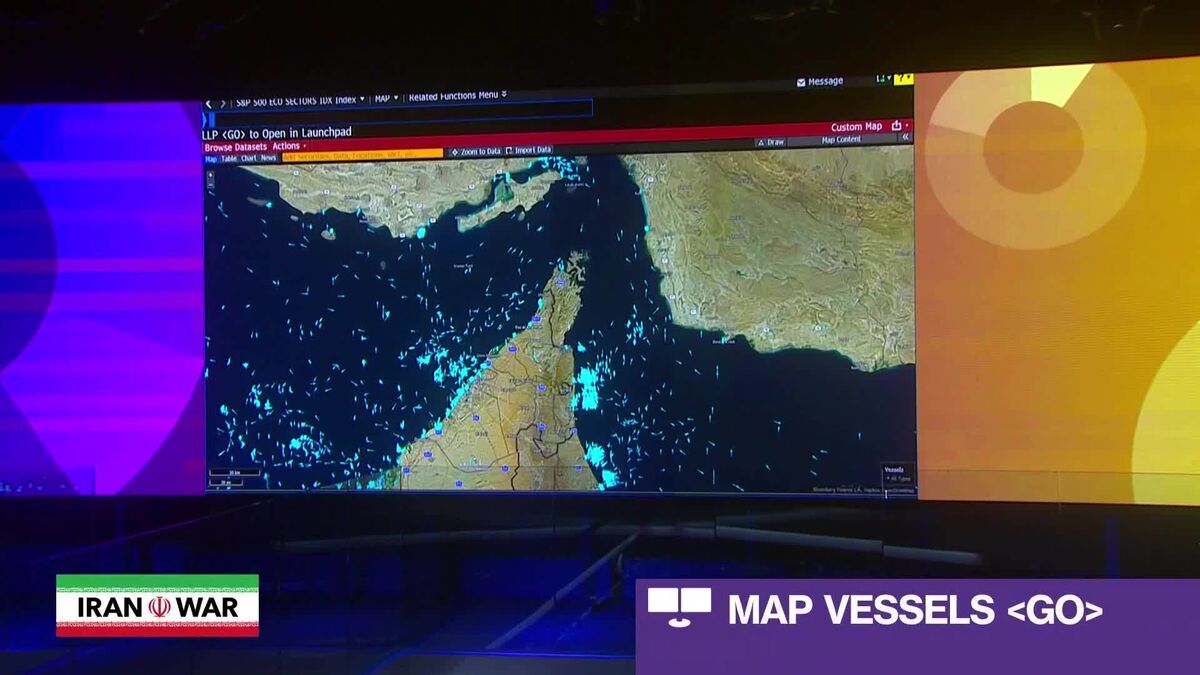
The US and Iran have agreed to stop attacking each other before peace talks resume this week over the Strait of Hormuz and other issues, paving the way to end days of tit-for-tat attacks that tested a fragile truce. Bloomberg's Wendy Benjaminson breaks down the latest developments. (Source: Bloomberg)
Narrative Intelligence Brief
This article was published by Bloomberg, a source frequently categorized with a lean left bias based in United States of America. Our narrative intelligence engine continuously monitors coverage from this outlet to track framing, bias, and rhetorical patterns. Our initial algorithmic scan of this specific piece did not flag high-confidence rhetorical techniques, suggesting a generally straightforward reporting style or neutral framing. By understanding the editorial perspective of Bloomberg, readers can better contextualize the information presented and compare it across our broader media matrix to find the real narrative.
More from Bloomberg
June 29, 2026
Pakistan Says Strikes Along Afghan Border Kill 29 Militants
June 29, 2026
Indian Rupee Leads Asian Peers on Falling Crude, Capital Push
June 29, 2026
China Says Tech Growth a Challenge to Predicting Energy Demand
June 29, 2026
Copper Declines as Fed Stance and Strong Dollar Weigh On Metals
June 29, 2026
PBOC Surprises by Withholding Rate on Debut Overnight Operation
Analysis Methodology
This narrative analysis was generated using the CoDataLab Global Intelligence Engine. Our proprietary AI scans thousands of cross-border sources to identify sentiment patterns, framing techniques, and potential media bias. While AI provides the data-driven foundation, our objective is to empower readers with additional context beyond the standard headline.The content displayed above is a structured summary designed for rapid information processing. For the full original report, please visit the source outlet.More Coverage
Discussion
"venezuela earthquake"
Venezuela earthquake update: Two 11-year-old boys found alive days later; search for survivors continues

Under President’s directives, UAE allocates US$10 million in urgent relief aid for Venezuela earthquake victims
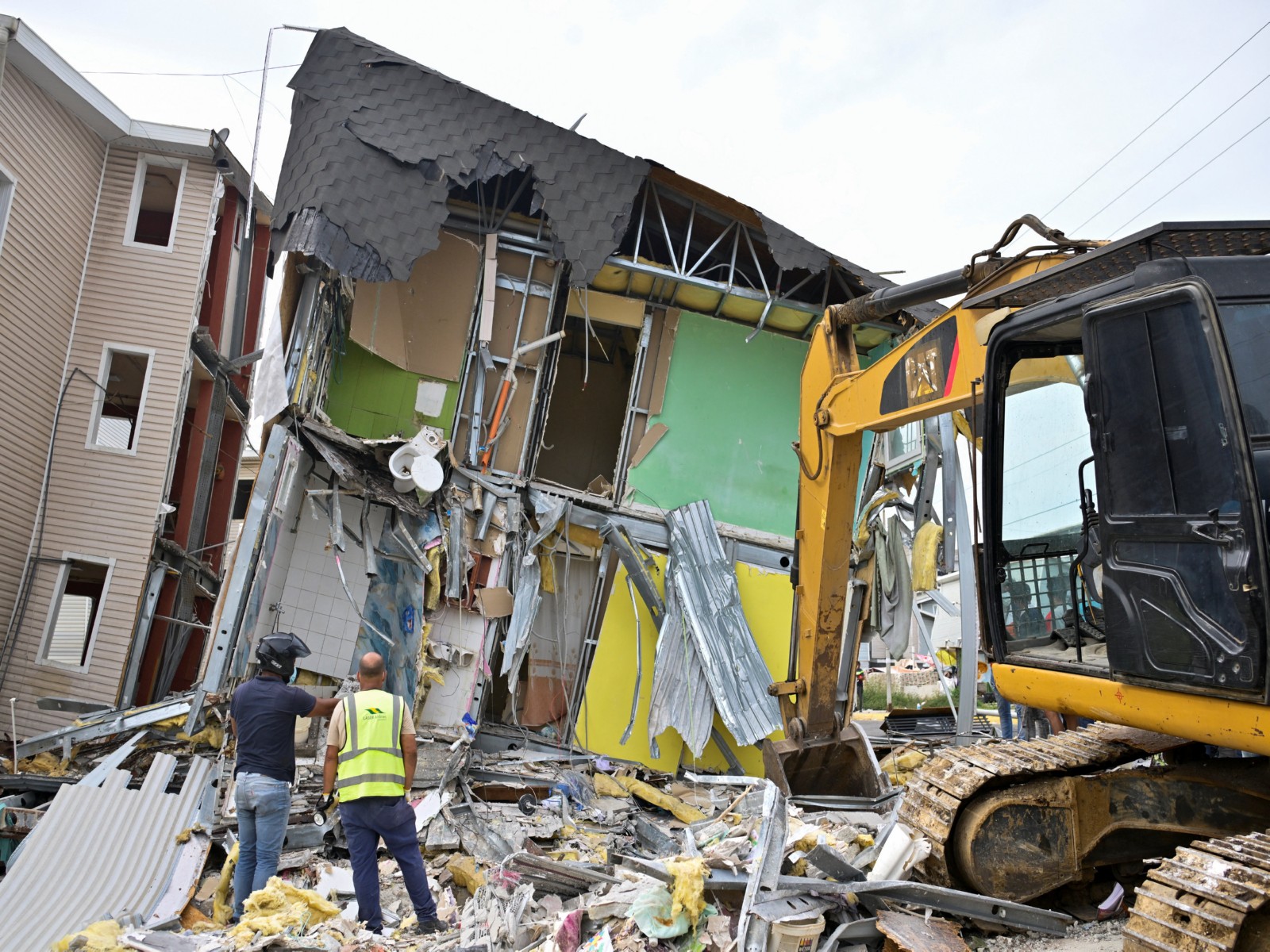
Pope Leo offers prayers after Venezuela earthquake tragedy
