Today in News History
On June 17, several notable moments in the history of News stand out. In 1940, George Akerlof, American economist and academic, Nobel Prize laureate was born. In 1949, John Craven, English economist and academic was born. In 1958, Sam Hamad, Syrian-Canadian academic and politician was born. In 1960, The Nez Perce tribe is awarded $4 million for 7 million acres (28,000 km2) of land undervalued at four cents/acre in the 1863 treaty. In 1966, Mohammed Ghazy Al-Akhras, Iraqi journalist and author was born. In 1967, Nuclear weapons testing: China announces a successful test of its first thermonuclear weapon. In 1970, Will Forte, American actor, comedian, and screenwriter was born. In 1971, U.S. President Richard Nixon in a televised press conference called drug abuse "America's public enemy number one", starting the War on drugs. In 1992, A "joint understanding" agreement on arms reduction is signed by U.S. President George Bush and Russian President Boris Yeltsin (this would be later codified in START II). In 2001, Donald J. Cram, American chemist and academic, Nobel Prize laureate (born 1919) passed away. Together, these milestones provide historical context for today's news news and ongoing narratives.
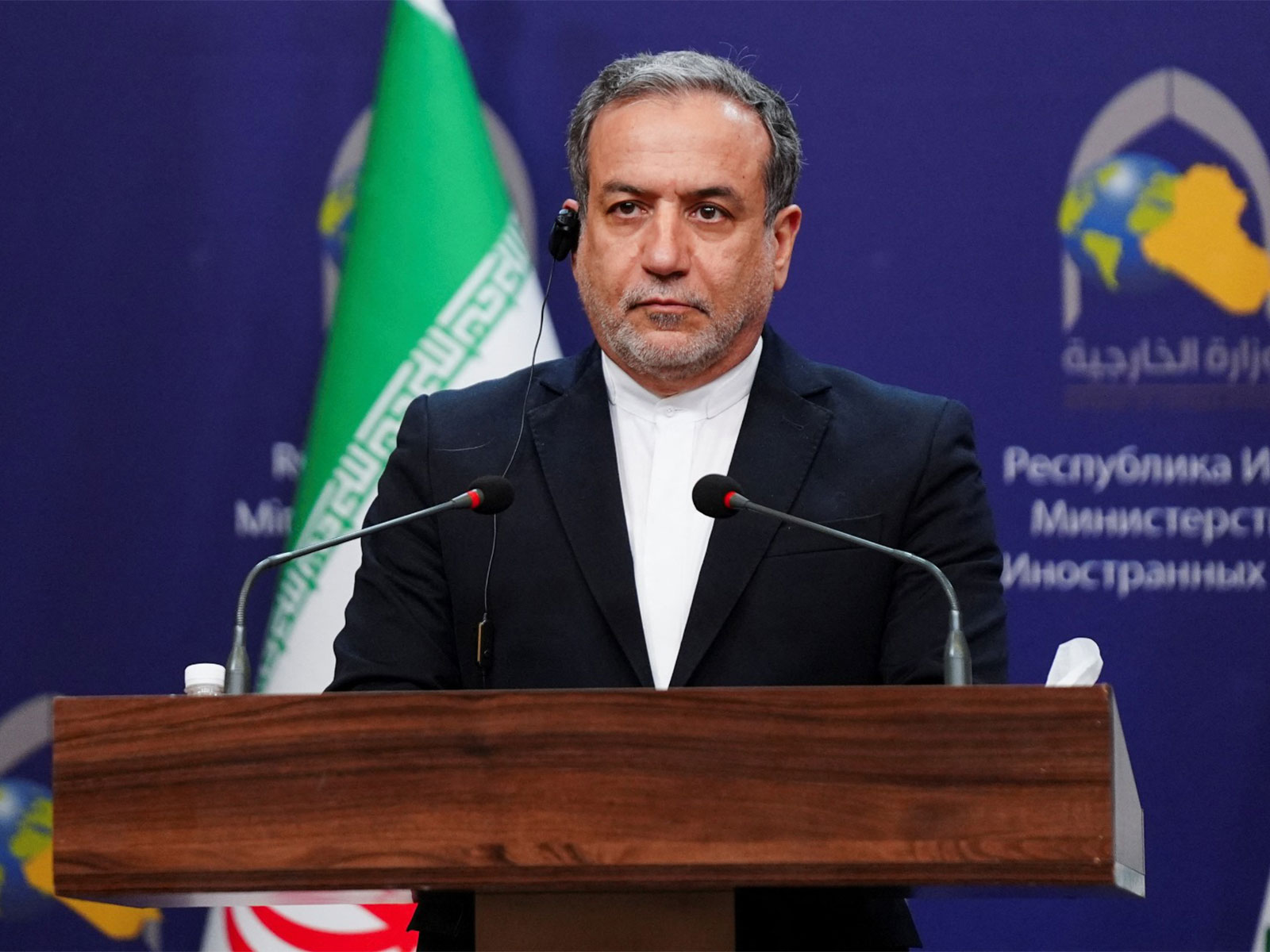
Trump says US will not invest in $300bn fund for Iran

US president’s pushback on reports of provision in peace deal comes after fierce bipartisan backlash
Narrative Intelligence Brief
This article was published by Financial Times, a source frequently categorized with a center bias based in United Kingdom. Our narrative intelligence engine continuously monitors coverage from this outlet to track framing, bias, and rhetorical patterns. Our initial algorithmic scan of this specific piece did not flag high-confidence rhetorical techniques, suggesting a generally straightforward reporting style or neutral framing. By understanding the editorial perspective of Financial Times, readers can better contextualize the information presented and compare it across our broader media matrix to find the real narrative.
More from Financial Times
June 17, 2026
Starmer avoids Trump spat at what might be his last G7 summit
June 17, 2026
Rathbones and Investec merger stalled regulatory checks
June 17, 2026
Trump delays confirmation hearing of former SEC head Jay Clayton as US intelligence chief
June 17, 2026
Buying Cursor could be SpaceX’s Instagram moment
June 17, 2026
As stubborn Starmer digs in, Streeting risks becoming biggest loser
Analysis Methodology
This narrative analysis was generated using the CoDataLab Global Intelligence Engine. Our proprietary AI scans thousands of cross-border sources to identify sentiment patterns, framing techniques, and potential media bias. While AI provides the data-driven foundation, our objective is to empower readers with additional context beyond the standard headline.The content displayed above is a structured summary designed for rapid information processing. For the full original report, please visit the source outlet.More Coverage
Discussion