Today in News History
On June 19, several notable moments in the history of News stand out. In 1845, Cléophas Beausoleil, Canadian journalist and politician (died 1904) was born. In 1903, Benito Mussolini, at the time a radical Socialist, is arrested by Bern police for advocating a violent general strike. In 1914, Alan Cranston, American journalist and politician (died 2000) was born. In 1955, Mary Schapiro, American lawyer and politician was born. In 1984, Paul Dano, American actor was born. In 1985, Members of the Revolutionary Party of Central American Workers, dressed as Salvadoran soldiers, attack the Zona Rosa area of San Salvador. In 2001, Stanley Mosk, American lawyer, jurist, and politician (born 1912) passed away. In 2004, Clayton Kirkpatrick, journalist and newspaper editor (born 1915) passed away. In 2009, Mass riots involving over 10,000 people and 10,000 police officers break out in Shishou, China, over the dubious circumstances surrounding the death of a local chef. In 2012, WikiLeaks founder Julian Assange requests asylum in London's Ecuadorian Embassy for fear of extradition to the US after publication of previously classified documents including footage of civilian killings by the US army. Together, these milestones provide historical context for today's news news and ongoing narratives.
‘This smells bad, it looks bad’: Joe Concha on Newsom investigation
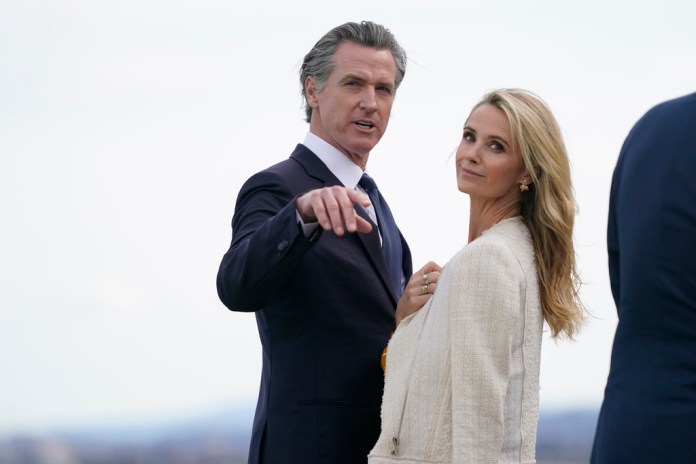
Washington Examiner columnist Joe Concha said a Department of Justice investigation into Gov. Gavin Newsom (D-CA) is “very serious” and could cost him a presidential run. The investigation into Newsom and his wife, Jennifer Newsom, came to public attention Monday when Newsom posted a video on X, saying that President Donald Trump was investigating him []
Narrative Intelligence Brief
This article was published by Washington Examiner, a source frequently categorized with a lean right bias based in United States of America. Our narrative intelligence engine continuously monitors coverage from this outlet to track framing, bias, and rhetorical patterns. Our initial algorithmic scan of this specific piece did not flag high-confidence rhetorical techniques, suggesting a generally straightforward reporting style or neutral framing. By understanding the editorial perspective of Washington Examiner, readers can better contextualize the information presented and compare it across our broader media matrix to find the real narrative.
More from Washington Examiner
June 19, 2026
Far left is ‘expanding’ in the Democratic Party: Guy Benson
June 19, 2026
The Iran deal breaks virtually every one of Trump’s promises
June 19, 2026
Former Larry Krasner supervisor suspended for three years after misleading judge in death penalty case
June 19, 2026
Swing-district Republican opposed regime change, bombing Iran as 2024 candidate for House
June 19, 2026
California councilmembers refuse to leave office, sparking legal battle with residents
Analysis Methodology
This narrative analysis was generated using the CoDataLab Global Intelligence Engine. Our proprietary AI scans thousands of cross-border sources to identify sentiment patterns, framing techniques, and potential media bias. While AI provides the data-driven foundation, our objective is to empower readers with additional context beyond the standard headline.The content displayed above is a structured summary designed for rapid information processing. For the full original report, please visit the source outlet.More Coverage
Discussion
"cup"
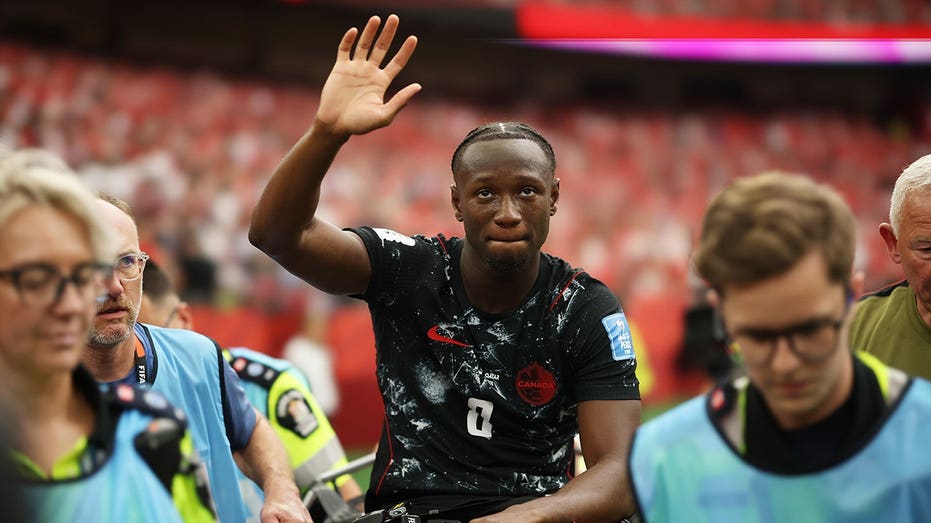
Canada Soccer Star Ismaël Koné Suffers Brutal Leg Injury at World Cup

Cristiano Ronaldo’s Sister Supports Bruno Fernandes’ Criticism After Portugal’s World Cup Draw

Canada's Ismaël Koné suffers horrific injury as Qatar's Assim Madibo gets red card for poor tackle