
This free service uses Wikipedia to reveal what the world is thinking about
Narrative Analysis: Name Calling
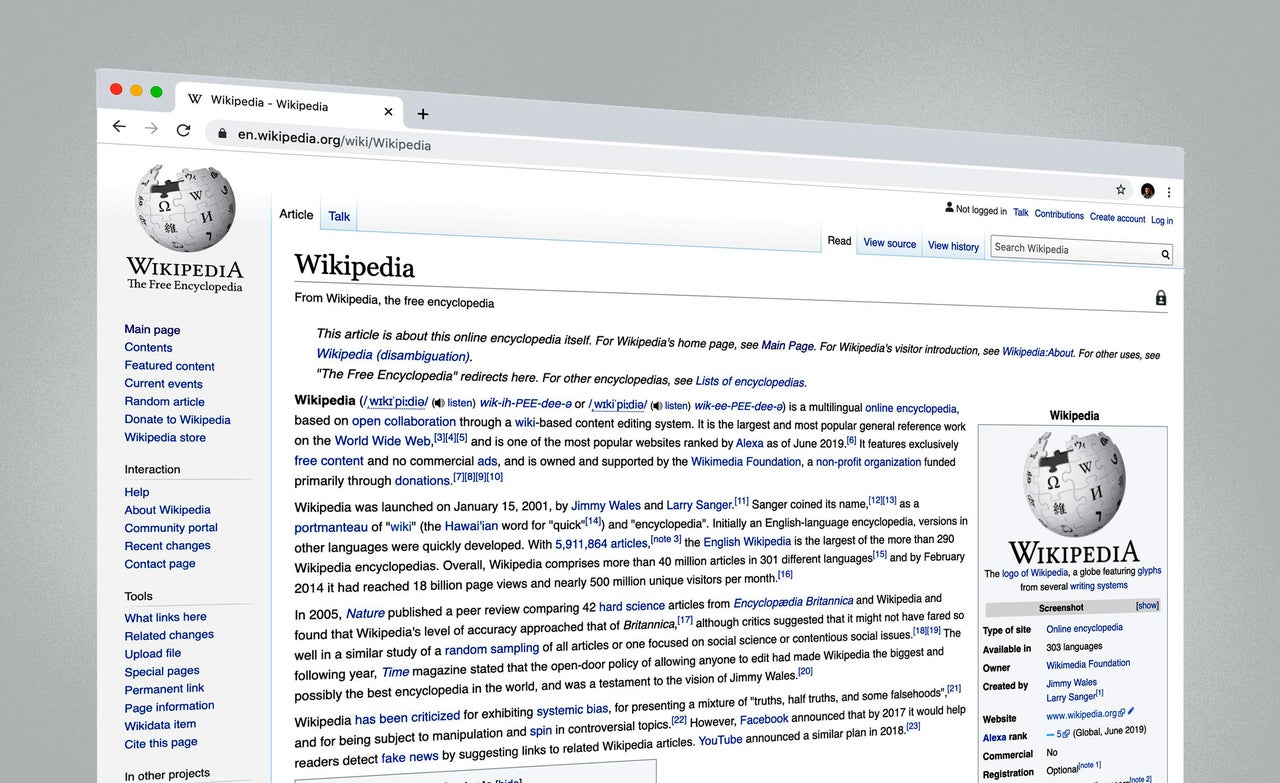
Wikipedia may be the last good website—a volunteer-driven service that isn’t flooded by advertisements or completely captured by corporate interests. It’s also very useful. I find myself constantly opening it when I hear a name or term I’m not familiar with, and I’m not alone. Have you ever wondered, while using Wikipedia to familiarize yourself with something new you just heard about, how many other people are doing the same thing? Now, thanks to a clever off-the-beaten-path new Wikipedia-enhancer, you can find out—and gain a whole new level of understanding about the world around you. This tip originally appeared in the free Cool Tools newsletter from The Intelligence. Get the next issue in your inbox and get ready to discover all sorts of awesome tech treasures! Your inside eye on Wikipedia interest Wikipedia Seismograph is a free service provided by renowned web wizard Tara Calishain. The site lets you quickly find spikes in traffic to any Wikipedia article for a simple way to see when global interest in any particular topic is increasing. And it takes only a few short seconds to start using. Just fire up the site, use its “Article” box to search for any Wikipedia topic, and set a date range to see a graph outlining traffic to that specific article. A Wikipedia Seismograph interest graph, revealing trends with activity around Google since the start of the year. It’s a quick trick to retroactively spot when interest in any subject was at its highest. That can help you see how invested people are in different companies, public figures, and events—which is useful for a variety of professions but also just plain interesting. For example: On February 22, interest in hockey players Auston Matthews and Connor McDavid spiked. Why? The answer, if you’re a hockey fan, is obvious: That was the day of the gold medal Olympic hockey game between the U.S. and Canada, in which the two superstar athletes went head to head in front of an international audience largely seeing them play for the first time. Wikipedia Seismograph helps you read between the lines of what other people are reading. If you have a job that even occasionally benefits from pointing out what kinds of topics people around the world are thinking about, this is indispensable. Even if you just have a personal curiosity in such matters, it’s a tremendous tool and knowledge expansion resource to keep handy. It’s truly free, too—with no advertising, clutter, or other asterisks. And if you want to explore even further, you’ll find several other worthwhile tools on the very same website. There’s a Wikipedia Hot Topics tool, for instance, that lets you choose a day and explore which articles were getting the most views on that day (February 22, predictably, features a lot of hockey players). There’s also Main Characters, which lets you browse the most popular people in any Wikipedia category. All of these tools give you unprecedented insight into how people are using the internet’s best website—and once you start looking, there’s virtually no end to what you can learn. Wikipedia Seismograph is a good old-fashioned website, which you can open using any browser on any device. It’s free. And it’s one of those rare sites on the web that doesn’t trigger any ad blockers or privacy software. It doesn’t even use cookies. Treat yourself to all sorts of brain-boosting goodies like this with the free Cool Tools newsletter—starting with an instant introduction to an incredible audio app that’ll tune up your days in truly delightful ways.
Narrative Intelligence Brief
This article was published by Fast Company, a source frequently categorized with a lean left bias based in United States of America. Our narrative intelligence engine continuously monitors coverage from this outlet to track framing, bias, and rhetorical patterns. In this specific piece, our systems detected the potential use of the "Name Calling" technique. This narrative approach is often used to shape reader perception by highlighting specific emotional or rhetorical angles. By understanding the editorial perspective of Fast Company, readers can better contextualize the information presented and compare it across our broader media matrix to find the real narrative.
Explore related topics: Stay informed with Real Narrative News as we track unfolding stories. Dive deeper into our coverage of pivotal topics including trooping colour, coupe monde, kennedy center, donald trump, cup opener, thomas partey, fifa cup, usiran peace, كأس العالم, and supreme leader. Our intelligence streams continuously monitor these keywords to bring you unbiased analysis and real-time updates on topics like "This free service uses Wikipedia to reveal what the world is thinking about".
More from Fast Company
June 13, 2026
Meet the designer behind NYC’s charming World Cup campaign
June 13, 2026
This is the surprising thing that creates the happiest couples
June 13, 2026
Google’s Pinpoint is the free research tool you should know about
June 13, 2026
Apple just dropped these three hidden clues about where the company is heading, thanks to AI
June 13, 2026
How World Cup ticket inflation reflects a bigger problem with pricing
Reliability Insights
P
Technique: Name Calling
System analysis detected use of specific narrative techniques in this piece.Analysis Methodology
This narrative analysis was generated using the CoDataLab Global Intelligence Engine. Our proprietary AI scans thousands of cross-border sources to identify sentiment patterns, framing techniques, and potential media bias. While AI provides the data-driven foundation, our objective is to empower readers with additional context beyond the standard headline.The content displayed above is a structured summary designed for rapid information processing. For the full original report, please visit the source outlet.More Coverage
Discussion