
Today in News History
On July 12, several notable moments in the history of News stand out. In 1576, While exploring the North Atlantic Ocean in an attempt to find the Northwest Passage, Martin Frobisher sights Greenland, mistaking it for the hypothesized (but non-existent) island of "Frisland". In 1735, Mathematical calculations suggest that it is on this day that dwarf planet Pluto moved inside the orbit of Neptune for the last time before 1979. In 1801, French astronomer Jean-Louis Pons makes his first comet discovery. In the next 27 years he discovers another 36 comets, more than any other person in history. In 1836, The Fly-fisher's Entomology is published by Alfred Ronalds. The book transformed the sport and went to many editions. In 1849, N. E. Brown, English plant taxonomist and authority on succulents (died 1934) was born. In 1923, Richard Pipes, Polish-American historian and academic (died 2018) was born. In 1927, Theodore Maiman, American-Canadian physicist and engineer (died 2007) was born. In 1979, America's first space station, Skylab, is destroyed as it re-enters the Earth's atmosphere over the Indian Ocean. In 1985, Orestis Karnezis, Greek footballer was born. In 1995, Yugoslav Wars: Srebrenica massacre begins; lasts until 22 July. Together, these milestones provide historical context for today's news news and ongoing narratives.
This Fossil Sat in a Drawer for 40 Years. Now It’s Changing What We Know About Dinosaurs in Antarctica
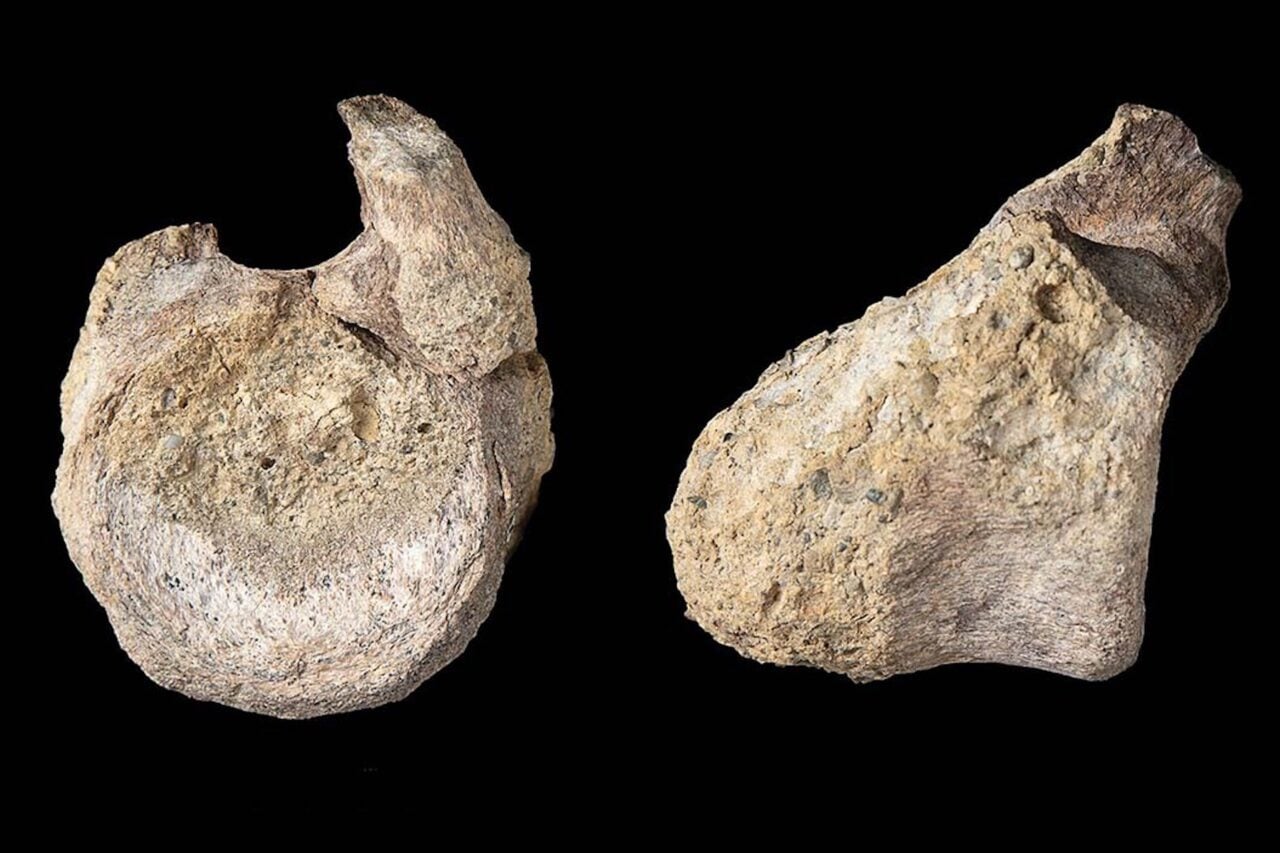
A case of mistaken identity resolved decades later.
Narrative Intelligence Brief
This article was published by Gizmodo, a source frequently categorized with a left bias based in United States of America. Our narrative intelligence engine continuously monitors coverage from this outlet to track framing, bias, and rhetorical patterns. Our initial algorithmic scan of this specific piece did not flag high-confidence rhetorical techniques, suggesting a generally straightforward reporting style or neutral framing. By understanding the editorial perspective of Gizmodo, readers can better contextualize the information presented and compare it across our broader media matrix to find the real narrative.
More from Gizmodo
July 11, 2026
Oh, There’s the ‘Ghost of Tsushima: Legends’ Trailer
July 11, 2026
Meta’s AI Detector Can’t Detect Images It Generated Itself, Report Finds
July 11, 2026
The Public Got So Mad at Meta’s New AI Photo Tool That It’s Scrapped Already
July 11, 2026
This ‘Avengers: Doomsday’ Concept Art Assembles the Teams
July 11, 2026
Fan-Favorite ‘Scooby-Doo’ Series ‘Mystery Inc.’ Comes to Blu-Ray
Analysis Methodology
This narrative analysis was generated using the CoDataLab Global Intelligence Engine. Our proprietary AI scans thousands of cross-border sources to identify sentiment patterns, framing techniques, and potential media bias. While AI provides the data-driven foundation, our objective is to empower readers with additional context beyond the standard headline.The content displayed above is a structured summary designed for rapid information processing. For the full original report, please visit the source outlet.More Coverage
Discussion
"norway"
Cold War Steve on … Erling Haaland’s high-street invasion for Norway v England

Bellingham carries England past Norway and into World Cup semifinals

England soccer star Harry Kane says golfing with Trump was ‘surreal’

How other outlets are covering this story
Compare narratives across 6 related reports from 6 sources. Real Narrative News aggregates the coverage spectrum so you can see who emphasises what — bias tags reflect the outlet, not the story.
Coverage bias distribution
6 sources
Left 17%
Center 33%
Right 17%
Times of India
· Jun 29, 2026
Antarctica's oldest known dinosaur fossil was hiding in a museum drawer for 40 years
Antarctica's oldest known dinosaur fossil was hiding in a museum drawer for 40 years
ComicBook.com
· Jul 7, 2026
New 2-Part Sci-Fi Completely Rewrites 66 Million Years of Dinosaur History – Watch the Wild Trailer
Image via Sparke Films Move over, Jurassic Park: a wild new dinosaur series that completely reinvents history is in the works, and there’s a brand-new trailer for it. Although the Jurassic franchise will probably never go extinct, we are now at least entering an age where there are some other exciting dino movies, and they keep taking us to []
KSAT San Antonio
· Jun 29, 2026
A rare dinosaur fossil from Antarctica is found tucked away in a drawer
Scientists have stumbled on a rare dinosaur fossil from Antarctica tucked in a drawer.
Sweden Herald
· Jun 30, 2026
Antarctica’s first dinosaur fossil identified as titanosaur tail vertebra
Antarctica’s first dinosaur fossil identified as titanosaur tail vertebra
The Independent
· Jul 1, 2026
A dinosaur fossil sat forgotten in a drawer since 1985 until scientists realized what it was
Scientists have stumbled on a rare dinosaur fossil from Antarctica tucked in a drawer
UPI
· Jun 30, 2026
Scientists share details about first dinosaur fossil found in Antarctica
Scientists share details about first dinosaur fossil found in Antarctica
Topics:
Related coverage for "This Fossil Sat in a Drawer for 40 Years. Now It’s Changing What We Know About Dinosaurs in Antarctica": Times of India — Antarctica's oldest known dinosaur fossil was hiding in a museum drawer for 40 years. ComicBook.com — New 2-Part Sci-Fi Completely Rewrites 66 Million Years of Dinosaur History – Watch the Wild Trailer. KSAT San Antonio — A rare dinosaur fossil from Antarctica is found tucked away in a drawer. Sweden Herald — Antarctica’s first dinosaur fossil identified as titanosaur tail vertebra. The Independent — A dinosaur fossil sat forgotten in a drawer since 1985 until scientists realized what it was. UPI — Scientists share details about first dinosaur fossil found in Antarctica